

Beyond Organic: What is 'Natural' Wine?
Defining 'natural wine' is surprisingly difficult. There's no legal definition, which makes it a bit of a moving target. At its heart, natural wine is about minimal intervention in the winemaking process. This generally means starting with organically or biodynamically grown grapes, using wild yeasts for fermentation, and adding little to no additives like enzymes, clarifying agents, or sulfites.
The core principles revolve around letting the grapes express themselves as authentically as possible. Winemakers often embrace a hands-off approach, accepting a degree of variability in the final product. It's a reaction against the standardization often found in commercial winemaking. This can mean wines that are cloudy, have sediment, or exhibit funky aromas – all considered part of the character of natural wine.
Consumers are increasingly interested in where their food and drink come from, seeking more authentic experiences. There's a growing awareness of industrial agriculture's downsides and a desire for sustainable practices. A bit of rebellion against the status quo also plays a role.
However, 'natural' isn't a guarantee of quality. The term isn't regulated, so anyone can use it. Quality can vary wildly; some natural wines are exceptional, while others are poorly made.
Why Jesse Hall's Seawolf Wines are a perfect blend of North Coast surf culture, family roots, and organic wine making. https://t.co/OBJYM1eSn9
— SURFER (@Surfer) April 8, 2026
Organic vs. Biodynamic: Decoding the Labels
Organic and biodynamic wine production are often used interchangeably with 'natural,' but they aren't the same thing. Organic certification, like those from the USDA or the European Union, sets specific standards for how grapes are grown. These standards prohibit the use of synthetic pesticides, herbicides, and fertilizers. They also regulate things like irrigation and pest control.
To be certified organic, a winery must pass regular inspections. This guarantees grapes were grown without synthetic inputs, but says nothing about the winemaking process. Organic wine can still be made with added yeasts, enzymes, and sulfites.
Biodynamics takes things a step further. It's a holistic, ecological, and ethical farming approach developed by Rudolf Steiner in the 1920s. It views the vineyard as a self-sustaining ecosystem, emphasizing soil health, biodiversity, and the interconnectedness of living things.
Biodynamic winemakers use specific preparations – like 500 (cow manure) and 507 (chamomile) – to enhance soil fertility and plant health. They also follow a lunar calendar, believing certain activities are best performed during specific moon phases. It sounds intense, and it can be, but the idea is to create a balanced and resilient vineyard ecosystem.
Wineries like Domaine Huet in the Loire Valley, France, are known for their biodynamic practices, producing Vouvray that shows the terroir beautifully. Benziger Family Winery in California is a large-scale producer that embraced biodynamics decades ago. Both show the range of applications for this farming method.
- Organic Certification: Prohibits synthetic pesticides, herbicides, and fertilizers.
- Biodynamic Preparations: Utilize specific composts and herbal mixtures.
- Lunar Calendar: Farming practices aligned with moon phases.
Comparing Wine Production Methods: Organic, Biodynamic, and Conventional
| Factor | Organic | Biodynamic | Conventional |
|---|---|---|---|
| Pesticide Use | Generally prohibits synthetic pesticides; some naturally-derived pesticides may be permitted under strict regulations. | Prohibits all synthetic pesticides; emphasizes holistic pest management and biodiversity. | Synthetic pesticides are commonly used to control pests and diseases. |
| Fertilizer Use | Prohibits synthetic fertilizers; relies on compost, manure, and green cover crops for soil fertility. | Prohibits synthetic fertilizers; utilizes preparations made from herbs, minerals, and manure to enhance soil health and fertility. | Synthetic fertilizers are frequently used to provide nutrients to the vines. |
| Yeast Source | Can use commercially produced yeasts, though some producers favor native or wild yeasts. | Often favors native or wild yeasts; commercial yeasts are permitted but less common. | Commercially produced yeasts are widely used for controlled fermentation. |
| Additive Limits | Limits the use of additives during winemaking, such as clarifying agents and enzymes. Specific regulations vary by certifying body. | Limits the use of additives even further than organic certification; strives for minimal intervention. | A wide range of additives are permitted, including clarifying agents, enzymes, and flavor enhancers. |
| Certification Process | Requires certification by a recognized organic certification body (e.g., USDA Organic, European Union organic standards). | Requires certification by a recognized biodynamic certification organization (e.g., Demeter, Biodyvin). | Generally does not require specific certification, though appellation laws may have some regulations. |
| Philosophical Approach | Focuses on ecological sustainability and minimizing environmental impact. | Views the vineyard as a self-sustaining ecosystem; emphasizes the interconnectedness of soil, plants, and animals. Rooted in Rudolf Steiner’s anthroposophy. | Primarily focused on maximizing yield and efficiency. |
Illustrative comparison based on the article research brief. Verify current pricing, limits, and product details in the official docs before relying on it.
The Taste of 'Low Intervention': What to Expect
Natural wines often taste different from conventionally made wines. They tend to be more rustic, with more emphasis on the character of the grapes and their origin. Don't expect the polished, predictable flavors of mass-produced wines. Expect something…alive.
These differences stem from winemaking techniques. Wild yeasts for fermentation introduce more flavor and aroma diversity. Skin contact – leaving grape skins with juice for an extended period – adds tannins and color. Minimal filtration means wines retain more texture and complexity.
Be prepared for surprises. You might encounter aromas described as 'barnyard,' 'brett' (a yeast that can produce funky flavors), or 'oxidation' (a nutty, sherry-like character). These aren't necessarily flaws, though they can be off-putting if you're not used to them. They're indicators of a less controlled fermentation process.
These flavors can also evolve with age. A natural wine that tastes funky when young might mellow and develop nuanced flavors over time. It's a dynamic process, and that's part of the appeal. It's a departure from the predictable and a chance to experience wine more authentically.
Top Natural Wine Regions in 2026
France remains a hotbed for natural wine. The Loire Valley, with grapes like Chenin Blanc and Cabernet Franc, is a strong region. Producers like Domaine de la Grange Tiphaine lead with their commitment to organic and biodynamic farming and minimal intervention winemaking.
Beaujolais, known for its Gamay grape, is another key area. Many winemakers are moving away from traditional techniques and embracing natural approaches. In the Jura region, you'll find unique and often oxidative wines made from grapes like Savagnin. These wines can be challenging, but also rewarding.
Italy is also a major player, with Friuli in the northeast being a standout region. Here, winemakers experiment with skin contact wines and amphora fermentation. Sicily and Emilia-Romagna are also gaining recognition for natural wine production.
Beyond Europe, California is seeing a surge in interest in natural wine. Regions like Mendocino and Paso Robles are home to producers embracing these practices. Australia is also making waves, with winemakers in South Australia and Victoria experimenting with low-intervention techniques.
Eastern Europe, particularly Slovenia and Croatia, are emerging as sources of natural wine. These regions have a long history of traditional winemaking practices, and many winemakers are returning to these methods. For a beginner, start with wines from the Loire Valley or Friuli – they’re relatively accessible and offer a good introduction to the style.
- Loire Valley, France: Chenin Blanc, Cabernet Franc – Domaine de la Grange Tiphaine
- Beaujolais, France: Gamay – Many producers embracing natural methods
- Friuli, Italy: Skin contact wines, amphora fermentation
- Mendocino/Paso Robles, California: Growing natural wine scene
Understanding Natural Wine
- Organic Wines – These wines are made from grapes grown without the use of synthetic pesticides, herbicides, or fertilizers. Certification varies by region; look for labels from organizations like USDA Organic (US) or European Union organic certification.
- Biodynamic Wines – A holistic approach to winemaking that treats the vineyard as a self-sustaining ecosystem. It follows specific lunar cycles and uses preparations made from herbs, minerals, and compost. Demeter International is a prominent certifying body.
- “Natural” Wine – No Official Definition – Unlike organic or biodynamic, ‘natural’ wine lacks a standardized legal definition. Generally, it implies minimal intervention in the winemaking process, often including native yeast fermentation and little to no added sulfites.
- Sulfites: A Common Question – Most wines contain some sulfites, a byproduct of fermentation. Natural wines often aim for lower levels, or no additions, but a small amount is naturally present. Labels are required to indicate sulfite content if it exceeds 10ppm.
- Recent Reddit Discussion (r/wine, 2026) – A recent thread asked for beginner-friendly natural wines. Popular recommendations included: Domaine Tempier Bandol Rosé (Provence, France) for its approachable style, and Pattes Loup, a Loire Valley producer known for their Chenin Blancs.
- Other Beginner-Friendly Producers (Reddit 2026) – Several commenters suggested wines from Frank Cornelissen (Sicily, Italy) – specifically his Etna Rosso – as a good introduction, though noted they can be a bit more challenging. Also frequently mentioned were wines from Clos Roche Blanche (Loire Valley, France).
- Potential for Brettanomyces – Due to minimal intervention, natural wines can sometimes exhibit ‘Brettanomyces’ (Brett), a wild yeast. While some find it adds complexity, others perceive it as barnyard or medicinal. It’s a matter of personal preference.
- Cloudiness is Normal – Natural wines are often unfiltered and unfined, which can result in a cloudy appearance. This is not a flaw, but a characteristic of the winemaking process. It does not indicate spoilage.
Finding Natural Wines: Where to Buy and What to Look For
The best place to find natural wines is a specialty wine shop. Look for shops focusing on small-batch, artisanal wines. The staff will likely be knowledgeable and can guide you through the selection. Building a relationship with your local wine merchant is invaluable.
Online retailers are an option, but shipping regulations can be complex and expensive. Sites like Dry Farm Wines specialize in natural wines, though shipping costs can add up. Look for retailers that clearly state their sourcing policies and provide detailed information about the wines they sell.
Identifying natural wines can be tricky. Look for certifications like organic or biodynamic, but remember these don’t guarantee a wine is 'natural' in the full sense. Read wine descriptions carefully. Terms like 'unfiltered,' 'unfined,' and 'no added sulfites' are good indicators.
Don't be afraid to ask questions. A
Decoding Natural Wine Labels
- Organic Wines - These wines are made from grapes grown without the use of synthetic pesticides, herbicides, or fertilizers. Certification varies by region; look for labels like ‘USDA Organic’ (US) or the European Union organic logo.
- Biodynamic Wines - A holistic, ecological, and ethical approach to viticulture, treating the vineyard as a self-sustaining ecosystem. Often certified by Demeter, this practice emphasizes soil health and lunar cycles.
- Low Intervention - This term isn't legally defined, but generally indicates minimal manipulation in the winemaking process. Expect less reliance on additives and a more ‘natural’ expression of the grape.
- Unfiltered & Unfined - Most wines undergo filtering and fining to clarify them. Wines labeled as ‘unfiltered’ and ‘unfined’ retain more of their natural sediment and can appear cloudy.
- Sulfite Levels - Sulfites occur naturally in wine, and some are added as a preservative. Check the back label; lower levels (often indicated as ‘no sulfites added’ or a specific parts per million – ppm – measurement) are common in natural wines.
- Producer Transparency - Research the winery. Many natural winemakers openly share their practices on their websites or through direct communication. A willingness to discuss their methods is a good sign.
- Regional Focus - Certain regions are known for embracing natural winemaking. Look to areas like Loire Valley (France), Friuli (Italy), and parts of California and Australia.
Pairing Natural Wines: A Different Approach
Pairing food with natural wines requires a slightly different approach than with conventional wines. Their higher acidity, often more pronounced tannins, and sometimes funky flavors mean they can handle bolder, more rustic dishes. Forget overly delicate pairings.
Natural wines often pair beautifully with strong cheeses – think stinky blues, washed-rind cheeses, and aged cheddars. The wines' acidity cuts through the richness of the cheese, creating a harmonious balance. Orange wines, with their tannic structure, are fantastic with spicy food, like Thai curries or Szechuan dishes.
Don't shy away from pairing natural wines with charcuterie. The salty, savory flavors of cured meats complement the wines' complexity. And if you're serving a hearty stew or roast, a natural red wine with earthy notes will be a perfect match. I've found a Beaujolais from a natural producer is a particularly good match with roast chicken.
Generally, think about matching the intensity of the wine with the intensity of the food. Don’t be afraid to experiment and find what works best for your palate. The beauty of natural wine is its versatility – it can handle a wide range of flavors.
Natural Wine & Sulfites: What Beginners Need to Know
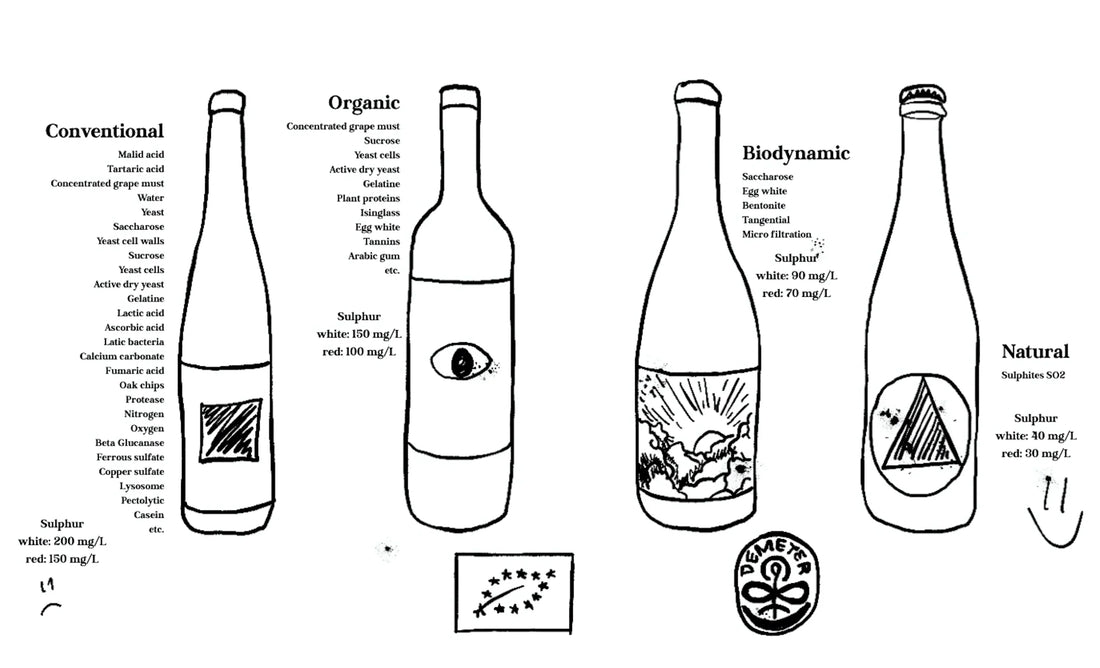
Sulfites are a common concern for wine drinkers, and natural wine is often marketed as a lower-sulfite alternative. It’s important to understand that all wines contain sulfites – they’re a natural byproduct of fermentation. However, conventional winemakers often add additional sulfites to stabilize the wine and prevent oxidation.
Natural winemakers typically add very little or no additional sulfites. Their goal is to let the wine evolve naturally, even if it means a slightly shorter shelf life. This doesn’t mean natural wine is sulfite-free, just that it generally contains lower levels.
If you’re sensitive to sulfites, natural wine might be a better choice for you, but it’s not a guaranteed solution. The amount of sulfites can still vary depending on the winemaker and the vintage. Look for wines labeled "no added sulfites’ or ‘low sulfite’ if you"re particularly concerned.
It’s also worth noting that sulfite sensitivity is relatively rare. Most people can tolerate moderate amounts of sulfites without experiencing any adverse effects. However, if you suspect you’re sensitive, it’s always best to err on the side of caution.

No comments yet. Be the first to share your thoughts!