

Beyond Organic: What is ‘Natural’ Wine?
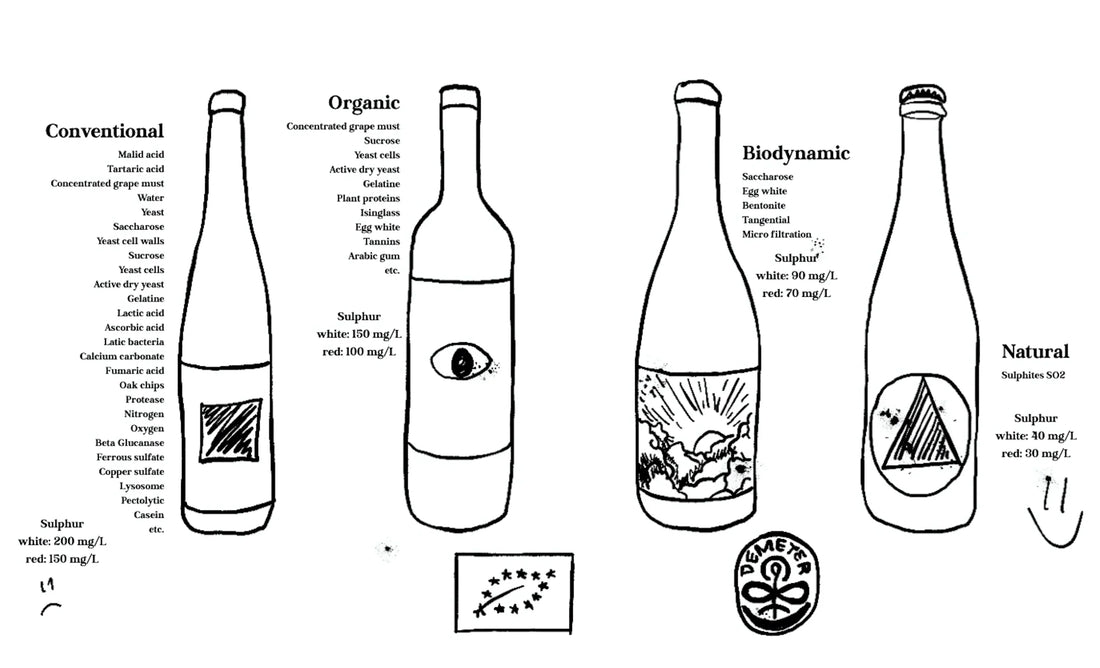
The term "natural wine’ is gaining attention. People are increasingly curious about what goes into their wine, not just what it tastes like. Unlike ‘organic,’ ‘natural’ doesn’t have a strict legal definition. At its heart, it"s about minimal intervention in the winemaking process.
The core idea is to let the grapes speak for themselves. This generally means using organically or biodynamically grown grapes, fermenting with native yeasts (those present on the grapes and in the winery), and adding little to no additives during winemaking. It’s a return to more traditional methods, closer to how wine was made for centuries.
The natural wine movement gained traction in the early 2000s, particularly in France, as a reaction against wines perceived as increasingly standardized and manipulated. It grew as consumers became more interested in sustainability and transparency in their food and drink choices. A common misconception is that natural wine is always cloudy, but that’s not necessarily true – although some are unfiltered.
Finished 3 tracks today so I am treating myself to Gelsons sushi and natural wine
— Radiating Spirit (@armpit__enjoyer) April 14, 2026
Organic vs. Biodynamic: Grape Growing Explained
Both organic and biodynamic farming work with nature, rather than against it, but they differ in their approach. Organic farming, as defined by regulations like the USDA Organic standards, prohibits synthetic pesticides, herbicides, and fertilizers. It focuses on soil health and biodiversity and requires annual certification to verify compliance.
Biodynamic agriculture is a holistic, ecological, and ethical approach to farming that treats the vineyard as a self-sustaining ecosystem. Developed by Rudolf Steiner in the early 20th century, it incorporates practices like using specific preparations – fermented herbs and minerals – to enhance soil fertility and plant health. Biodynamic farms also follow lunar cycles for planting and harvesting and emphasize biodiversity.
To be certified biodynamic, a farm must meet the standards of Demeter International, the largest biodynamic certification organization. Biodynamic farming is a philosophical approach as much as it is a set of practices. Not all organic wines are biodynamic, and vice versa. These methods can result in grapes with greater complexity and a more pronounced sense of terroir – the "sense of place" in a wine.
Both organic and biodynamic farming contribute to more sustainable viticulture, reducing the environmental impact of wine production. Organic certification is more widely recognized, while biodynamic farming often represents a deeper commitment to ecological principles.
Intervention in the Winery: What’s Typically Avoided?
Once the grapes are harvested, natural winemakers minimize intervention. Many avoid using cultured yeasts, relying instead on the native yeasts present on the grapes and in the winery. This can lead to more complex and unpredictable fermentations, but also wines with greater character. Think of it like sourdough bread – the wild yeast gives it a unique flavor.
Other common winemaking practices avoided include fining agents (used to clarify wine) and filtration (to remove sediment). These processes can strip away flavor and texture. Many natural winemakers also limit or avoid adding sulfites, a common preservative. While some use a small amount of sulfites to stabilize the wine, the goal is to use as little as possible.
Avoiding these interventions allows the wine to express its terroir more fully. However, natural wines can be less stable and more prone to variation. This is a trade-off. The choices made in the winery impact the wine’s flavor profile, often resulting in wines that are more savory, earthy, and texturally complex than conventionally made counterparts.
Tasting Natural Wine: What to Expect
Expect something different when you taste natural wine. They often challenge conventional expectations. You might notice slight cloudiness or sediment, which is normal and a sign that the wine hasn't been heavily filtered or fined. Some natural wines can also exhibit "funk" – a slightly barnyard-like or earthy aroma.
Don't be put off by the "funk’! It"s not necessarily a flaw. It can be a sign of healthy microbial activity and add complexity. Flavor profiles can range from bright and fruity to savory and earthy, with a greater emphasis on mineral notes and pronounced acidity. You might find flavors not typically encountered in conventional wines.
Approach tasting natural wine with an open mind. Experiment and appreciate the wine's unique character. It's about embracing imperfections and celebrating authenticity. It’s not about whether a wine is "good’ or ‘bad," but whether you enjoy it.
- Cloudiness/Sediment: A sign of minimal filtering.
- "Funk": Earthy or barnyard aromas – not always a flaw.
- Higher Acidity: Often more refreshing and food-friendly.
- Unique Flavors: Expect mineral notes and unusual fruit profiles.
Natural Wine Flavor Profiles
- Crab Apple - A tart, slightly unripe apple flavor, often indicating minimal intervention winemaking and a focus on freshness.
- Barnyard (or Horse Blanket) - A rustic aroma reminiscent of a farm, often stemming from the presence of *Brettanomyces*, a wild yeast. While sometimes considered a flaw, in natural wine it can add complexity.
- Sea Salt - A mineral-driven salinity, often found in wines made from grapes grown near the coast or in soils with high mineral content. It contributes to a refreshing, savory quality.
- Grapefruit Pith - The white, slightly bitter part of a grapefruit. This indicates a certain level of phenolic grip and can be common in skin-contact white wines.
- Forest Floor - Earthy aromas evoking damp leaves and woodland. This is a common descriptor for wines made with whole cluster fermentation or aged in older barrels.
- Sour Cherry - A bright, tart cherry flavor, frequently found in lighter-bodied red natural wines. It often suggests minimal oak influence and a focus on fruit expression.
- Dried Herbs - Aromas of thyme, rosemary, or oregano. These can develop through extended skin contact or aging, adding a savory layer to the wine.
- Honeydew Melon - A delicate, sweet aroma often found in lightly chilled orange wines, suggesting a gentle fermentation and ripe fruit character.
Glassware and Serving: Enhancing the Experience
The right glassware can elevate your natural wine experience. MYSA.wine recommends lighter-weight glasses and wider bowls. This allows for better aeration and helps you fully appreciate the wine's aromas. They also suggest glassware designed specifically for natural wine.
Serving temperature is also important. Lighter-bodied natural wines, like those made from Gamay or Pinot Noir, are best served slightly chilled – around 55-60°F (13-16°C). Fuller-bodied wines, such as Syrah or Cabernet Sauvignon, can be served warmer – around 60-65°F (16-18°C).
Decanting natural wine is debated. Some believe it's unnecessary, as the wine is meant to be enjoyed in its natural state. Others suggest decanting can soften tannins and release more aromas, particularly in older or more concentrated wines. If you decant, start with a shorter time – 30 minutes to an hour – and taste to see if it improves the wine.
Natural Wine Trends in 2026: What’s on the Horizon?
The natural wine market is expected to grow through 2026, driven by increasing consumer demand for sustainable and authentic products. People are becoming more aware of the impact of their choices and are actively seeking out wines that align with their values. A broader range of regions will likely begin embracing these practices.
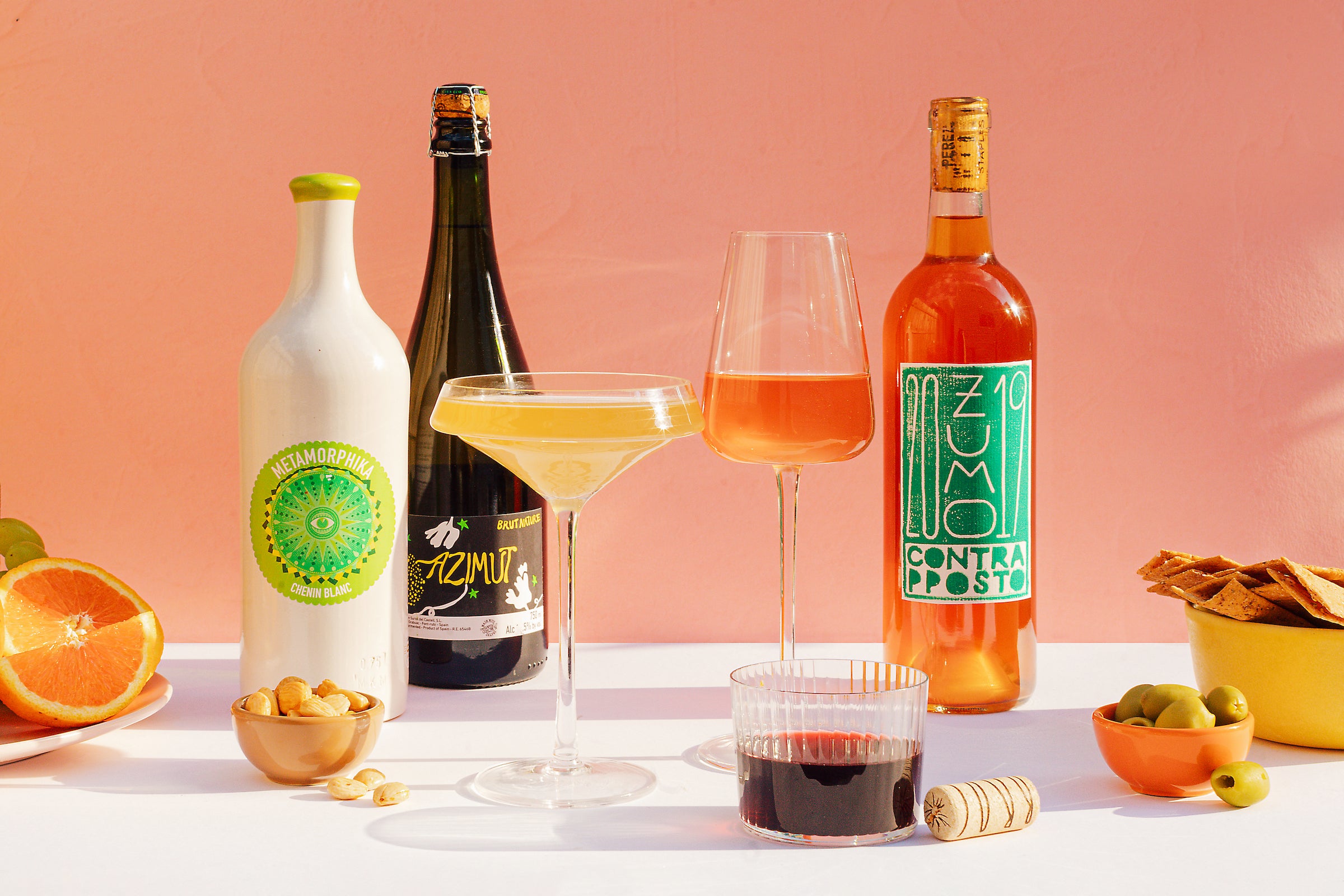
Orange wines – white wines made with extended skin contact – are likely to become more mainstream. Their unique flavor profiles and textural complexity appeal to adventurous wine drinkers. A resurgence of ancient winemaking techniques, such as fermentation and aging in amphorae (clay vessels), is also gaining popularity for their ability to impart unique flavors and textures.
Maintaining quality and consistency will be a challenge as the market grows. Ensuring that natural wines meet consumer expectations and deliver a consistent experience will be crucial for long-term success. There’s a risk of "greenwashing’ – wines marketed as ‘natural" without adhering to core principles – so careful research is important.
Finding Natural Wines: Where to Start
Finding natural wines can take effort. Start by
Seek out wine shops that specialize in natural wines. These shops typically have knowledgeable staff who can guide you through the selection and offer recommendations. Online retailers and wine clubs that focus on natural wines are also a great resource. Don’t hesitate to ask questions and talk to wine professionals – they are usually passionate about the topic.
Availability will vary depending on your location, so be prepared to explore different options. Resources like wine-searcher.com can help you locate specific wines near you. Ultimately, the best way to discover natural wines is to experiment and find what you enjoy.

No comments yet. Be the first to share your thoughts!