
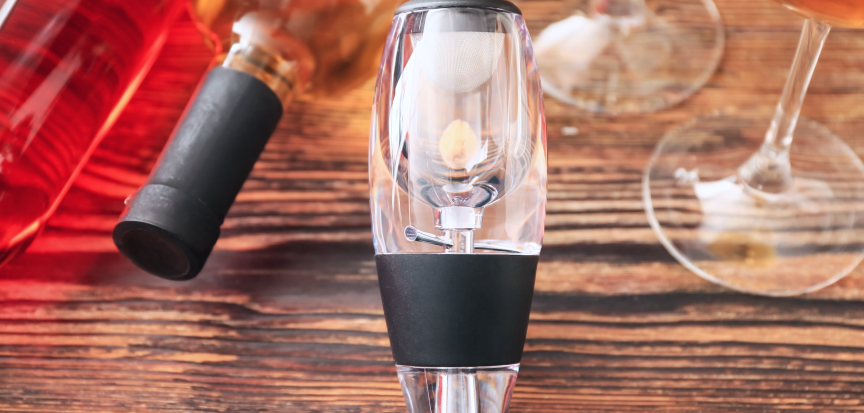

Budget wine aerator sweet red fit
Sweet red wines like Zinfandel, Shiraz, and Port have enough residual sugar to mask aeration benefits. You do not need an expensive device to soften these tannins. A budget aerator under $25 can do the heavy lifting by introducing air as the wine flows through.
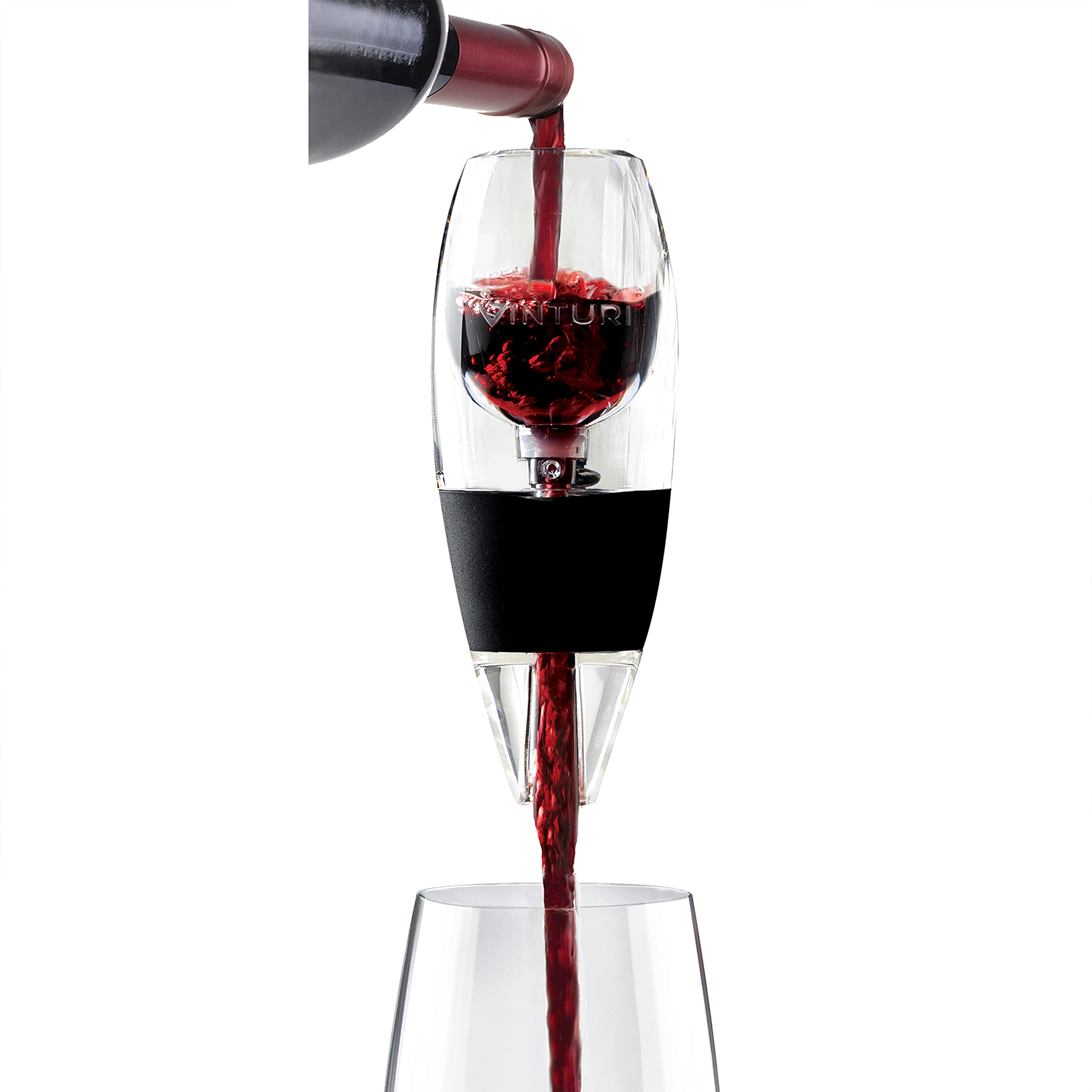
The tradeoff is control. Cheap pour-through aerators, such as the Vinturi Essential or similar Rabbit models, force a fixed amount of oxygen into the glass. This works well for young, fruity reds that just need a quick wake-up. It does not help if you are trying to gently soften an older, delicate bottle where over-aeration might collapse the flavor.
For a practical sweet red setup, look for a simple, gravity-fed design. Avoid complex electronic decanters at this price point; they often lack the consistent flow rate needed to actually aerate the wine effectively. A solid $15–$20 aerator will handle most casual sweet reds just fine. If you need precise control, skip the gadget and use a large decanter instead.


As an Amazon Associate, we may earn from qualifying purchases.
Shortlist real options
Finding the right best wine aerator for sweet red wine means balancing aeration power with the risk of washing out subtle fruit notes. Sweet reds, like Port, late-harvest Zinfandel, or Banyuls, have higher viscosity and sugar content that can coat the palate. A standard aerator might over-oxygenate these wines, flattening their character. The following options represent the most reliable tools for this specific task, ranging from gravity-fed pourers to electric decanters that handle sediment.
Vinturi V1010 Essential Red Wine Aerator
The Vinturi remains the industry standard for gravity-fed aeration. It uses a Venturi tube design to pull air into the wine as you pour, providing immediate oxidation. While often associated with dry reds, its consistent airflow makes it a strong candidate for sweet reds that need a quick wake-up call. The design is simple, durable, and easy to clean, ensuring no residual flavors interfere with the next pour. For sweet wines, pour slowly to control the aeration level and preserve the wine's natural sweetness.
Rabbit Wine Aerator
Rabbit was one of the earliest brands to popularize the handheld aerator concept. Their devices are compact and fit easily into a wine accessory drawer. The Rabbit aerator offers a slightly different aeration profile than the Vinturi, often described as gentler. This can be advantageous for delicate sweet reds that might otherwise lose their aromatic complexity. It requires no batteries or electricity, making it a reliable choice for dining rooms or outdoor gatherings where power sources are limited.
Electric Wine Decanter with Aeration
For those dealing with older sweet red wines that throw sediment, an electric decanter is a practical solution. These devices combine aeration with a separation function, allowing you to pour clear wine while leaving sediment behind in the base. The quiet motor and airtight seal ensure a smooth experience without splashing or oxidation errors. This is particularly useful for fortified wines or aged sweet reds that require both gentle aeration and clarity. The one-touch operation makes it accessible for anyone, regardless of wine experience.
| Model | Type | Best For | Cleaning |
|---|---|---|---|
| Vinturi V1010 | Gravity-Fed | Quick aeration of full-bodied sweet reds | Rinse after use |
| Rabbit Wine Aerator | Handheld | Gentle aeration of delicate sweet reds | Rinse after use |
| Electric Wine Decanter | Electric | Sediment removal and gentle aeration | Wipe exterior, rinse base |
Inspect the expensive parts
Wine aerators are generally simple devices, but the expensive models—especially electric dispensers or those with complex internal channels—have specific failure points that can ruin a bottle of sweet red wine. Before you rely on a high-end unit, check these three areas to ensure you aren't paying for a gadget that will leak or clog.
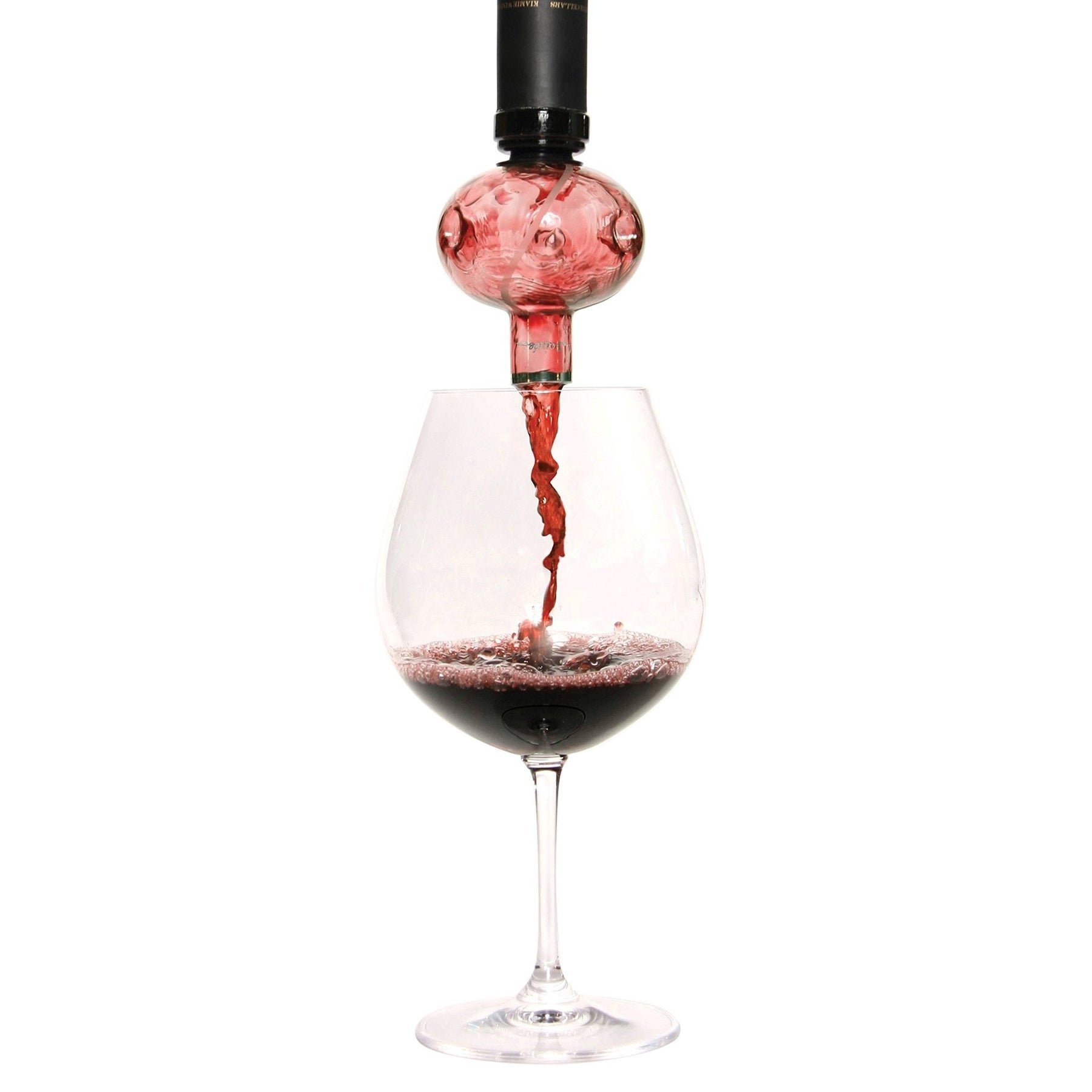
Electric wine aerators and dispensers rely on a tight seal between the spout and the bottle neck. If this seal is loose, air bypasses the aeration chamber, and wine leaks onto your counter. Test the connection by pouring a small amount of water. If it drips at the base, the gasket is worn or the bottle neck is too wide for the adapter.
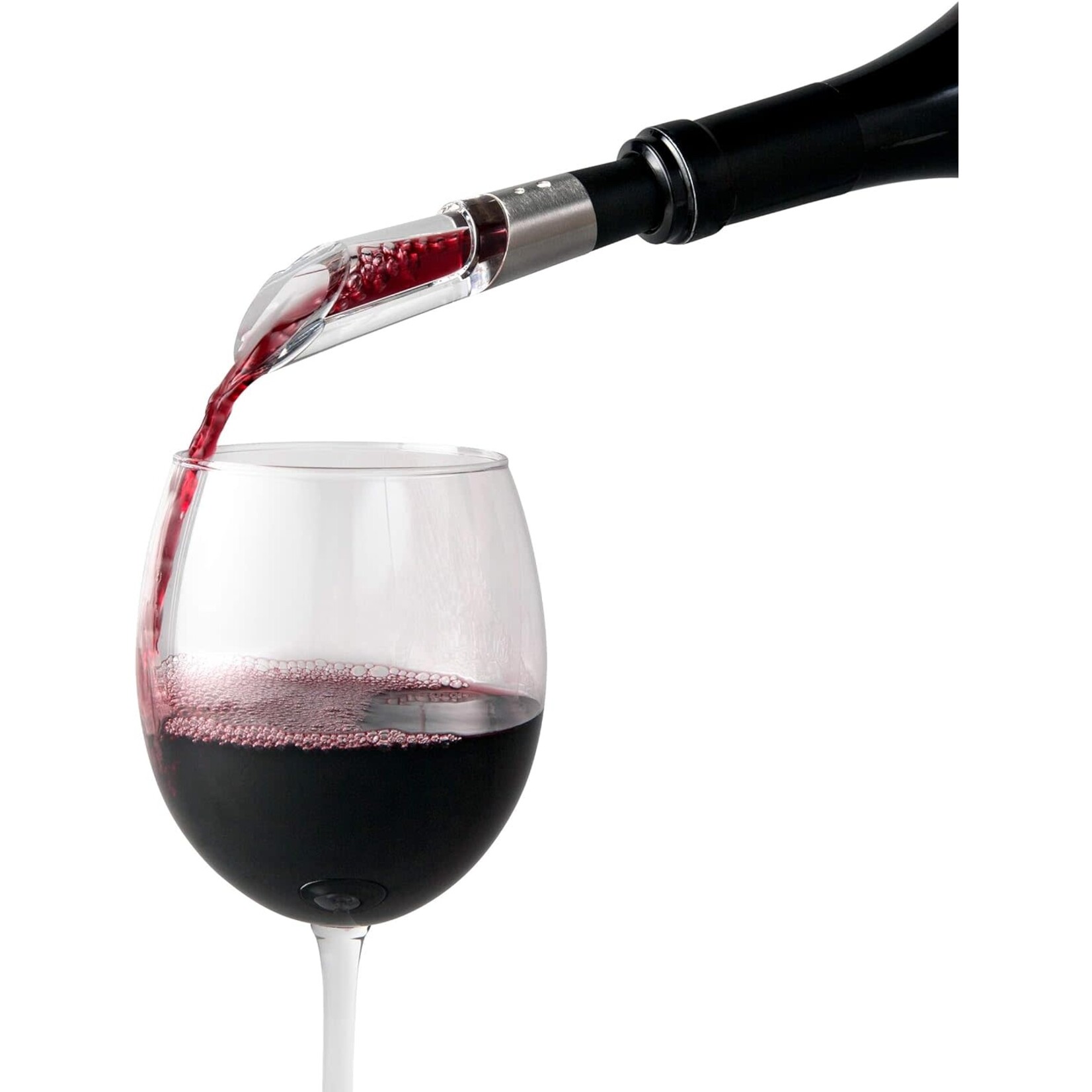
Sweet red wines leave behind sugar and sediment. Aerators with narrow internal channels, like the Vinturi or Rabbit models, can clog quickly if not rinsed immediately after use. Check the intake tube and the aeration core for dried residue. A clogged channel forces wine to take the path of least resistance, resulting in little to no aeration and a flat-tasting pour.
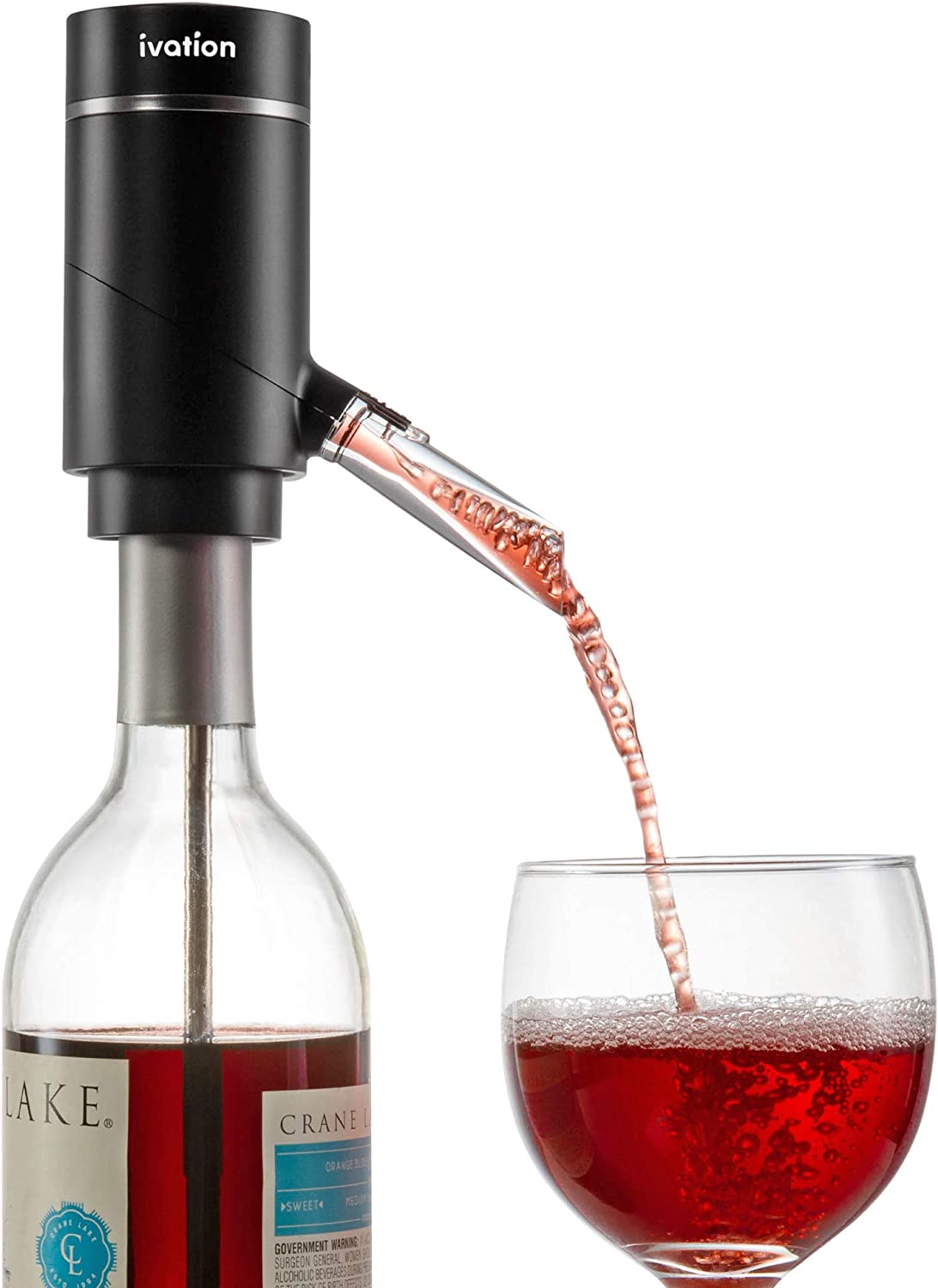
For electric models, check the battery compartment for corrosion or loose contacts. Even if the unit turns on, weak batteries may not power the internal pump or fan adequately, leading to inconsistent aeration. Ensure the power button responds crisply and that the unit shuts off automatically after use to preserve battery life for the next pour.
Plan for ownership costs
A wine aerator’s sticker price is just the beginning. The real cost comes from maintenance, replacement parts, and the risk of a cheap device breaking after a few months. When buying an aerator for sweet red wine, consider how often you’ll use it and whether the unit holds up to regular cleaning.
Maintenance and cleaning
Most aerators require disassembly for proper cleaning. Residue from sweet reds—like Zinfandel or Shiraz—can clog internal channels if not rinsed immediately. Check if the parts are dishwasher safe; hand-wash-only models add time and effort to your routine. Some brands sell replacement gaskets or filters, which can add up over years of use.
When cheap stops being cheap
A $15 aerator might seem like a bargain, but if it cracks, leaks, or loses its aeration efficiency after six months, you’ve paid more in the long run. Mid-range models ($25–$40) often use better materials and simpler designs that last longer. Look for units with fewer small parts to reduce the chance of breakage.
Replacement parts and longevity
Before buying, check if the manufacturer sells spare parts. Brands like Vinturi and Rabbit offer replacement gaskets and filters, which extend the life of your aerator. If a brand doesn’t offer parts, consider it a higher risk for long-term ownership.


As an Amazon Associate, we may earn from qualifying purchases.
Wine aerator for sweet red wine: what to check next
Before buying a wine aerator for sweet red wine, it helps to understand how these tools actually interact with high-sugar wines. Aerators are designed to introduce oxygen rapidly as wine passes through a chamber. While this works beautifully for tannic dry reds, sweet wines behave differently. The following questions address the most common practical concerns.
The core trade-off is simplicity versus effort. If you are drinking a high-quality sweet red, you might find that the extra step of using an aerator changes little. However, for younger, more robust sweet reds, a quick pass through a pour-over aerator can help integrate the alcohol heat and highlight the fruit. Choose the tool that matches the wine's age and your patience.
No comments yet. Be the first to share your thoughts!