

Sweet Red Wine: A Beginner’s First Sip
Starting with wine doesn't have to be intimidating. If you prefer sweeter flavors, you're not alone. Many people enjoy wines with a touch of sweetness; it's all about personal preference.
A sweet red wine has residual sugar, which is the sugar left after fermentation. Most red wines ferment until nearly all sugar converts to alcohol, but sweet reds stop early, leaving some sugar behind. You don't need to understand the science to enjoy it.
Sweet wines aren't always low quality. Some celebrated wines, like Sauternes from France, are intensely sweet. We're focusing on affordable options, but quality isn't sacrificed. Sweet reds are best served slightly chilled, around 60-65°F, in a standard wine glass.
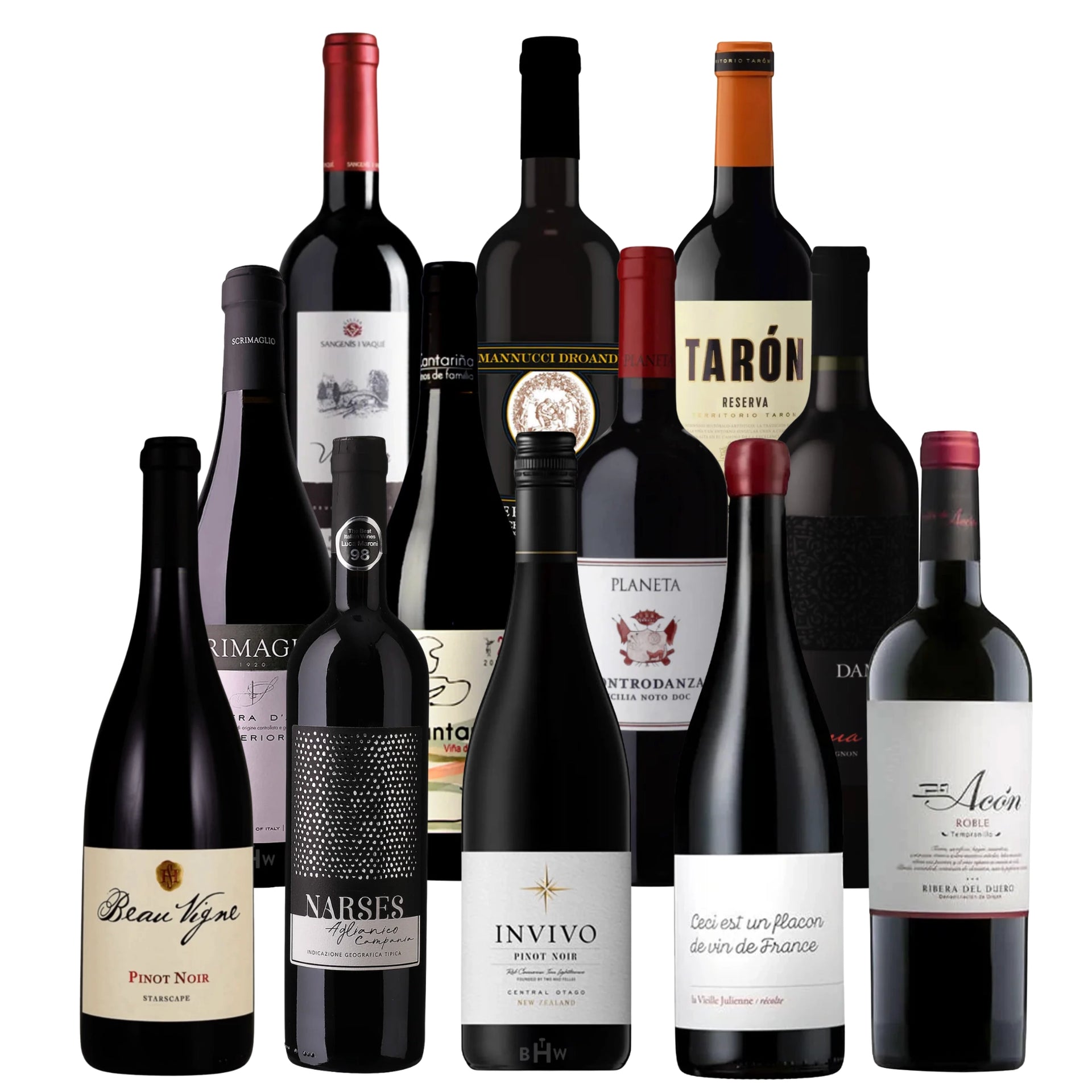
The 8 Best Sweet Reds Under $25 (2026)
Finding a great sweet red wine under $25 is possible. Availability and prices can shift and vary by location.
1. Lambrusco Salamino di Santa Croce (Italy): Typically around $12-$18. This sparkling red is often slightly sweet with flavors of cherry, blackberry, and a touch of earthiness. It’s incredibly versatile with food. Look for producers like Medici or Chiarli.
2. Brachetto d'Acqui (Italy): Usually $15-$22. Aromatic and lightly sparkling, Brachetto d'Acqui offers notes of strawberry, raspberry, and rose petals. It’s a beautiful wine to finish a meal with. Vietti is a well-regarded producer.
3. Dornfelder Kabinett (Germany): Around $10-$15. Dornfelder is a German grape known for its deep color and fruity flavors. Kabinett wines indicate a lighter style, often with some residual sugar. Expect cherry and plum flavors. Dr. Loosen makes a reliably good example.
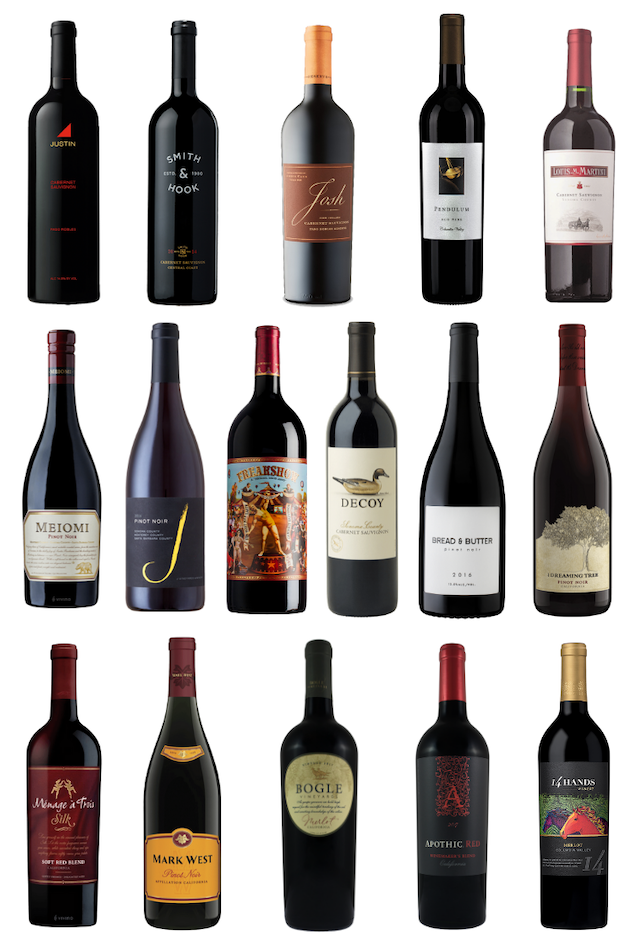
4. Apothic Red (California, USA): Generally $10-$15. A popular blend, Apothic Red is known for its rich, dark fruit flavors of blackberry and cherry, with hints of mocha. It’s a crowd-pleaser. It’s widely available in most supermarkets.
5. Barefoot Cellars Sweet Red Blend (California, USA): Usually $9-$12. This is a very accessible and affordable option. Expect flavors of raspberry, blackberry, and a touch of vanilla. It's a good starting point for beginners.
6. Boscaini Venezia (Italy): Around $12-$16. A blend of red grapes from the Veneto region, this wine is known for its bright fruit flavors and slightly sparkling character. It pairs well with pizza and pasta.
7. Cavatina (California, USA): Typically $15-$20. A blend of Zinfandel, Merlot, and Cabernet Sauvignon, Cavatina offers flavors of ripe cherry, plum, and a hint of spice. It's a bit fuller-bodied than some of the other options.
8. Lindeman’s Cawarra Shiraz (Australia): Generally $8-$12. A classic Australian Shiraz with a touch of sweetness and flavors of blackberry, plum, and chocolate. It’s a great value and very easy to drink. For food pairings, Lambrusco and Brachetto d'Acqui are great with desserts. Dornfelder is nice with fruit tarts, and Apothic Red pairs well with grilled meats.
Featured Products

Fruity notes of cherry, raspberry, and plum · Smooth and balanced finish · Versatile for pairing with various dishes
This blend offers a delightful sweetness and approachable fruit flavors, making it an excellent entry point for new wine drinkers.

Light and fruity with notes of strawberry and watermelon · Refreshing and crisp finish · Pairs well with spicy foods, salads, and light pasta dishes
Sutter Home White Zinfandel is a classic choice for beginners, offering a gentle sweetness and vibrant fruit character that is easy to enjoy.

Sweet and fruity with hints of strawberry and citrus · Light-bodied and easy to drink · Ideal for casual sipping or pairing with desserts
Beringer Main & Vine White Zinfandel provides a consistently sweet and approachable taste profile that is very beginner-friendly.
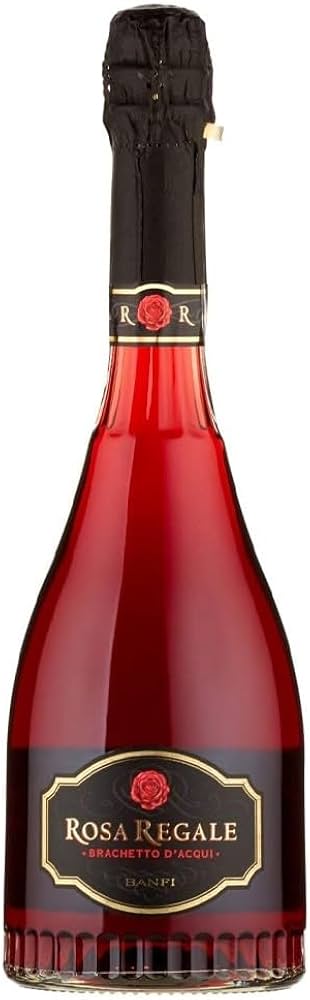
Sparkling red wine with notes of raspberry and rose petals · Sweet and slightly effervescent · Perfect for celebrations or as an aperitif
Castello Banfi Rosa Regale offers a festive and sweet sparkling red experience, ideal for those who enjoy a touch of effervescence with their sweetness.

Non-alcoholic option with rich blackberry and dark fruit flavors · Sweet and full-bodied profile · Great alternative for those avoiding alcohol
Stella Rosa Naturals Black provides a satisfyingly sweet and fruity experience without the alcohol, making it a great option for everyone to enjoy.
As an Amazon Associate I earn from qualifying purchases. Prices may vary.
Decoding Sweetness: Residual Sugar Explained
Residual sugar is the sugar left after fermentation. Yeast consumes grape sugars during fermentation, converting them to alcohol. Winemakers stop fermentation early, leaving some sugar behind. This is measured in grams per liter (g/L).
Wines are categorized by RS: Dry wines have less than 4 g/L. Off-dry wines are 4-12 g/L. Sweet wines range from 12-45 g/L, and very sweet wines have over 45 g/L. More sugar means a sweeter taste, but acidity also affects how sweet a wine seems. A wine with high acidity can taste drier than one with the same RS but lower acidity.
Climate influences RS levels; grapes from warmer climates naturally have more sugar. Winemakers also control RS by stopping fermentation early, using methods like chilling or filtration. This is a deliberate choice.
Residual Sugar and Perceived Sweetness in Red Wines
| Residual Sugar (g/L) | Perceived Sweetness | Typical Red Wine Style |
|---|---|---|
| 0-4 | Dry | Many Cabernet Sauvignons, Pinot Noirs |
| 4-12 | Off-Dry | Some Beaujolais, lighter-bodied Lambruscos |
| 12-30 | Medium-Sweet | Recioto della Valpolicella (some examples) |
| 30-50 | Sweet | Lambrusco (some styles), Brachetto d’Acqui |
| 50-70 | Very Sweet | Some fortified Port-style wines (Ruby Port) |
| 70+ | Intensely Sweet | Very late harvest Zinfandels (rare) |
Illustrative comparison based on the article research brief. Verify current pricing, limits, and product details in the official docs before relying on it.
Grape Varieties That Lean Sweet
Some grape varieties naturally produce sweeter wines. Lambrusco from Emilia-Romagna, Italy, often has slight sweetness and a refreshing fizz with red fruit flavors. Brachetto d'Acqui from Italy is another aromatic, lightly sparkling option with strawberry and floral notes.
Dornfelder, a German grape, has dark fruit flavors and often some residual sugar, making it a good choice for a bolder sweet red. Certain Zinfandels from California can also be fruity and sweet, especially White Zinfandel (though that's usually pink).
Sweetness isn't limited to these grapes; winemakers can use various techniques to create sweet wines from almost any variety. Understanding the winemaking process helps achieve the desired result.
Food Pairings: What to Eat With Sweet Reds
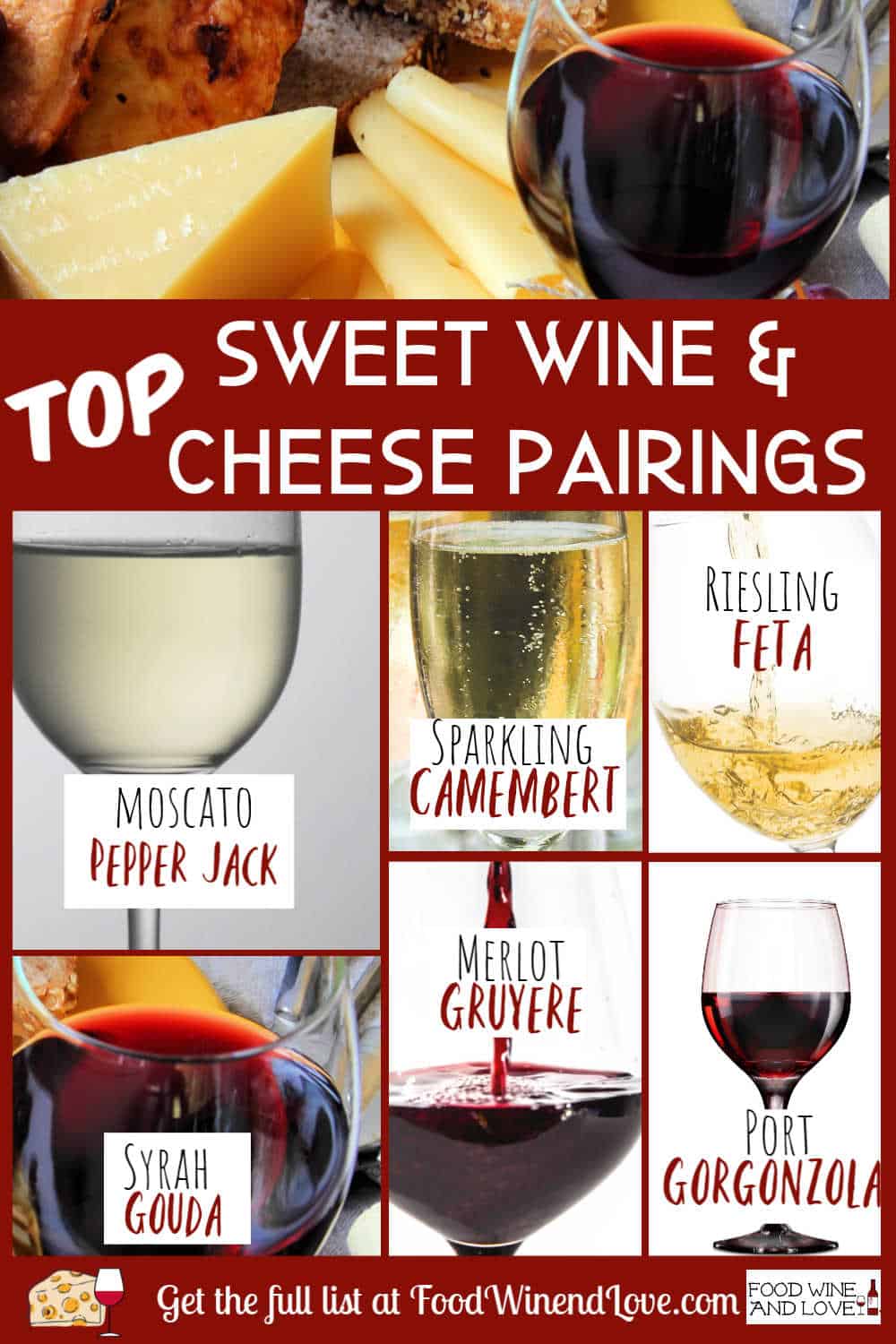
Sweet red wines are versatile with food pairings, not just for dessert. The wine's sweetness can complement or contrast with flavors. Fruit-forward wines pair well with fresh fruits like berries and peaches. A light Lambrusco works with a summer fruit salad.
Pair Brachetto d'Acqui with chocolate cake or berry pie; its sweetness complements the dessert. Sweet reds also pair well with spicy cuisine, taming the heat of Asian or Mexican dishes. Try Apothic Red with spicy Korean BBQ.
Experiment with savory pairings. Slightly chilled Lambrusco pairs well with grilled pork or cured meats like prosciutto. The wine’s acidity cuts through the meat's richness for a balanced flavor. Find a balance between the wine's sweetness and the food's flavors.
Beyond the Bottle: Serving & Storage
Proper serving and storage enhance sweet red wine. Most are best served slightly chilled, around 60-65°F, which makes them more refreshing. A wider-bowled glass can release aromas, but a standard red wine glass works.
Store wine in a cool, dark place away from sunlight and heat. A wine fridge is ideal, but a cool pantry or basement works. Opened bottles stay fresh for 3-5 days, depending on the wine and storage. A wine stopper helps preserve flavors.
Sweet Red Wine Standouts: Worth a Closer Look
From our list, a few wines particularly stand out for their value and unique character. Brachetto d'Acqui, while often a bit more expensive, is a truly special wine. Its aromatic complexity and delicate sweetness make it a memorable experience. It's a wine to savor.
Lambrusco Salamino di Santa Croce is another excellent choice. It’s incredibly versatile, affordable, and offers a refreshing sparkling character. It’s a great wine to have on hand for casual gatherings. If you’re looking for something easy-drinking and widely available, Apothic Red consistently delivers a satisfying experience. You can find more detailed tasting notes on the winery’s website:
Barefoot Sweet Red Blend, 1.5 L
- Fruity aromas and flavors
- Smooth and balanced finish
- Pairs well with a variety of foods
Barefoot Sweet Red Blend is an excellent choice for wine beginners due to its approachable sweetness, vibrant fruit flavors, and wide availability, making it a delightful and easy-to-find option that won't break the bank.
View on Amazon →As an Amazon Associate I earn from qualifying purchases.
Frequently Asked Questions
Are sweet red wines always low quality? No. Sweetness is a style choice, and many high-quality wines are made with residual sugar. It's about personal preference, not quality. What’s the difference between sweet and fruity? Fruity refers to the aromas and flavors in the wine, while sweet refers to the amount of residual sugar. A wine can be both fruity and sweet, or fruity and dry.
Can I make a sweet red wine spritzer? Yes! A sweet red wine spritzer can be a refreshing and easy-to-make drink. Simply top the wine with sparkling water or club soda and add a slice of fruit. Where can I find more information about wine tasting? Tasty Glass offers a wealth of resources on wine tasting techniques. You can explore our Wine Enthusiast Guide for more information.
No comments yet. Be the first to share your thoughts!