

Spring White Wines: A Fresh Start
As the days lengthen and the weather warms, our palates naturally crave lighter, brighter flavors. That’s where dry white wines step in, providing a beautiful complement to the season’s bounty. They possess a vibrancy that heavier reds simply can’t match, offering a refreshing counterpoint to spring’s delicate dishes.
The hallmarks of spring – think asparagus, peas, early berries, and blossoming flowers – all translate beautifully into the characteristics we seek in a wine: crisp acidity, subtle floral aromas, and a generally lean profile. These wines aren’t about power; they're about finesse and balance. They’re about celebrating the renewal around us.
The 2026 vintages are looking particularly promising, especially in regions like the Loire Valley and Marlborough. Favorable weather conditions throughout the growing season resulted in healthy grapes with excellent acidity. We’ve compiled a list of ten dry white wines that truly capture the essence of spring, offering something for every taste and occasion.
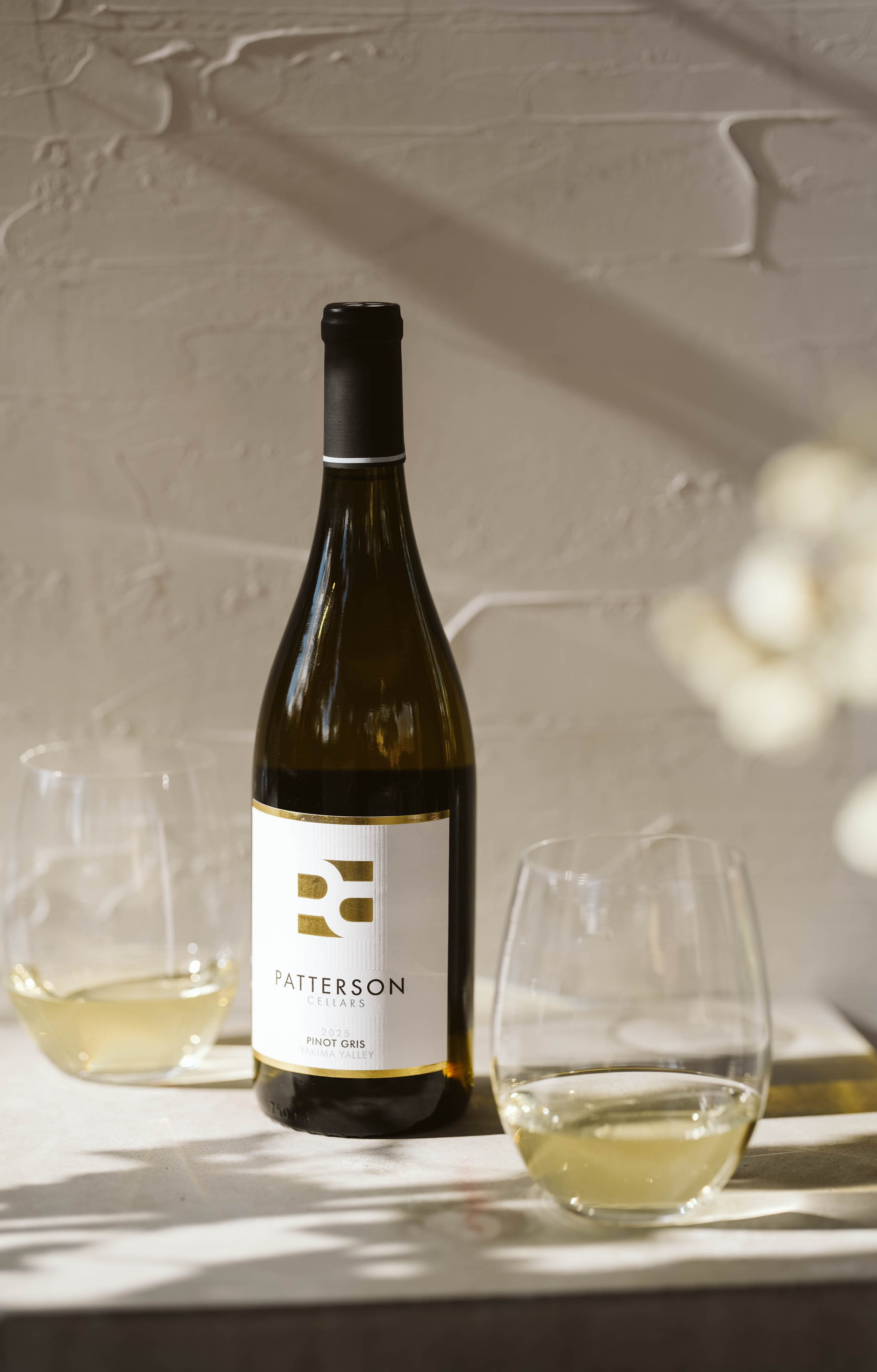
Top 10 Dry White Wines for 2026
Here are ten dry white wines to consider for spring. Prices are estimates.
1. Sancerre (Loire Valley, France) - Domaine Henri Bourgeois (approx. $30-45): Crafted from 100% Sauvignon Blanc, this Sancerre offers a classic expression of the varietal. Expect aromas of grapefruit, gooseberry, and a distinct minerality. Its crisp acidity and elegant structure make it a perfect pairing for goat cheese and salads. Domaine Henri Bourgeois consistently produces wines that showcase the terroir of Sancerre, and 2026 is no exception.
2. Albariño (Rías Baixas, Spain) - Martín Códax (approx. $20-30): From the cool, coastal region of Rías Baixas, this Albariño bursts with aromas of peach, apricot, and saline minerality. It’s a wonderfully refreshing wine with a slightly oily texture and a long, lingering finish. Try it with grilled octopus or seafood paella. Martín Códax has been a pioneer in the Rías Baixas region, and their wines are a reliable introduction to Albariño.
3. Grüner Veltliner (Wachau, Austria) - Domäne Wachau (approx. $25-35): This Grüner Veltliner is a benchmark example of the variety. It presents aromas of green apple, white pepper, and lime. The palate is dry and vibrant, with a refreshing acidity. It’s incredibly versatile with food, pairing well with everything from schnitzel to sushi. Domäne Wachau is a cooperative of growers dedicated to producing high-quality wines.
4. Vermentino (Sardinia, Italy) - Argiolas Costamolino (approx. $18-28): This Vermentino from Sardinia is a delightful discovery. It showcases aromas of lemon blossom, almond, and a hint of sea breeze. The wine is dry, crisp, and refreshing, with a subtle herbal note. It’s an excellent match for seafood risotto or pesto pasta. Argiolas is a family-owned winery committed to sustainable practices.
5. Muscadet Sèvre-et-Maine (Loire Valley, France) - Château du Cléray (approx. $15-25): A classic French aperitif wine, this Muscadet offers a bracing minerality and subtle citrus notes. It’s incredibly dry and refreshing, with a slight salinity that complements oysters and other shellfish beautifully. Château du Cléray is a historic estate known for its high-quality Muscadet.
6. Assyrtiko (Santorini, Greece) - Santo Wines (approx. $28-40): Grown on volcanic soils, this Assyrtiko is a truly unique wine. It displays aromas of lemon, grapefruit, and a distinctive smoky minerality. The wine is intensely dry, with a high acidity and a long, complex finish. It’s fantastic with grilled fish or Mediterranean cuisine. Santo Wines is a cooperative of winemakers on the island of Santorini.
7. Vinho Verde (Portugal) - Quinta da Aveleda (approx. $12-20): This light and slightly effervescent Vinho Verde is a perfect summer sipper. It offers aromas of green apple, lime, and a hint of floral notes. The wine is dry, crisp, and refreshing, with a low alcohol content. Enjoy it as an aperitif or with light salads. Quinta da Aveleda is one of the oldest and most respected Vinho Verde producers.
8. Pinot Grigio (Alto Adige, Italy) - Elena Walch (approx. $22-32): This Pinot Grigio from Alto Adige is a step above the typical mass-market versions. It showcases aromas of pear, apple, and a subtle floral note. The wine is dry, crisp, and refreshing, with a mineral finish. It’s a versatile pairing for seafood, poultry, or light pasta dishes. Elena Walch is a leading producer in the Alto Adige region.
9. Chablis Premier Cru (Burgundy, France) - William Fèvre (approx. $40-60): A more investment-worthy choice, this Chablis Premier Cru offers a complex and nuanced expression of Chardonnay. It displays aromas of lemon, green apple, and flinty minerality. The wine is dry, crisp, and elegant, with a long, lingering finish. It’s a perfect pairing for oysters, lobster, or creamy sauces. William Fèvre is a highly respected Chablis producer.
10. Sauvignon Blanc (Marlborough, New Zealand) - Cloudy Bay (approx. $25-35): This iconic Marlborough Sauvignon Blanc is known for its intensely aromatic profile. It bursts with aromas of passionfruit, grapefruit, and herbaceous notes. The wine is dry, crisp, and refreshing, with a vibrant acidity. It’s a classic pairing for salads, seafood, or spicy Asian cuisine. Cloudy Bay helped put New Zealand Sauvignon Blanc on the map.
Sauvignon Blanc Standouts
Sauvignon Blanc truly shines in the springtime, and the variations in terroir and winemaking create a fascinating spectrum of styles. The Sancerre from Domaine Henri Bourgeois, with its flinty minerality, is a direct reflection of the limestone-rich soils of the Loire Valley. The winemaking is intentionally minimal, allowing the terroir to express itself fully.
Contrast that with the Marlborough Sauvignon Blanc from Cloudy Bay. Here, the warmer climate and unique maritime influences result in a more overtly aromatic wine, packed with tropical fruit flavors. While both are unequivocally Sauvignon Blanc, they offer distinctly different experiences. The difference really comes down to how the climate impacts the grapes.
Climate change is starting to affect Sauvignon Blanc regions. Warmer temperatures in Marlborough, for example, are leading to slightly higher alcohol levels and a shift in flavor profiles. Growers are adapting by exploring higher-altitude vineyards and employing canopy management techniques to preserve acidity. It’s something to watch closely as we move forward.
- Sancerre: Limestone soils, minimal intervention
- Marlborough: Warmer climate, aromatic intensity
- Climate impact: Higher alcohol, shifting flavor profiles
Sauvignon Blanc Comparison: Spring 2026
| Wine | Acidity | Herbaceousness | Fruit Intensity | Minerality | Ideal Food Pairing |
|---|---|---|---|---|---|
| Sancerre (Loire Valley, France) - Domaine Henri Bourgeois | High, crisp | Pronounced gooseberry and flint | Medium, green apple and citrus | Distinctly flinty and chalky | Goat cheese, shellfish, salads with vinaigrette |
| Albariño (Rías Baixas, Spain) - Martín Códax | Medium-High, zesty | Subtle hints of sea spray and chamomile | Medium-High, peach and apricot | Saline and stony | Seafood paella, grilled octopus, fresh oysters |
| Grüner Veltliner (Wachau, Austria) - Domäne Wachau | Medium-High, lively | White pepper and green bean | Medium, green apple and pear | Pronounced stony minerality | Spicy Asian cuisine, roasted vegetables, schnitzel |
| Sauvignon Blanc (Marlborough, New Zealand) - Cloudy Bay | Very High, bracing | Passionfruit leaf and boxwood | High, grapefruit and passionfruit | Subtle, but present gravelly notes | Spicy Thai food, ceviche, fresh green salads |
Illustrative comparison based on the article research brief. Verify current pricing, limits, and product details in the official docs before relying on it.
Beyond the Usual: Exploring Lesser-Known Whites
While Sauvignon Blanc and Chardonnay often steal the spotlight, there’s a world of incredible lesser-known white wines waiting to be discovered. Albariño from Rías Baixas, Spain, is one such gem. Its bright acidity and saline minerality make it a perfect match for seafood, and it often offers exceptional value for the price.
Vermentino from Sardinia, Italy, is another exciting option. This wine offers a unique combination of citrus fruit, almond notes, and a refreshing herbaceousness. It’s a versatile wine that pairs well with a wide range of dishes, and it’s often available at a reasonable price point.
Don't overlook Picpoul de Pinet from the Languedoc-Roussillon region of France. This crisp, dry white wine is known for its high acidity and vibrant citrus flavors. It’s a fantastic aperitif wine and pairs beautifully with oysters and shellfish. These wines offer a chance to expand your palate and discover new favorites.
Food Pairing Principles for Spring Whites
Pairing dry white wines with food is about finding harmony between the wine’s characteristics and the dish’s flavors. Acidity is your friend – it cuts through richness and complements fatty foods. Lighter-bodied wines pair well with delicate flavors, while more full-bodied wines can stand up to bolder dishes.
Think beyond the standard 'fish and white wine' rule. A crisp Sancerre is fantastic with asparagus and goat cheese, while an Albariño pairs beautifully with grilled octopus. A Vermentino can complement pesto pasta or a light lemon risotto. Consider the sauce as much as the protein when making your pairing.
For spring salads, look for wines with herbaceous notes, like Sauvignon Blanc or Grüner Veltliner. For grilled vegetables, a slightly smoky Assyrtiko can be a great match. Don’t be afraid to experiment and find what you enjoy! The most important thing is to choose a wine that enhances the overall dining experience.
- Sancerre + Asparagus/Goat Cheese: Acidity cuts through richness
- Albariño + Grilled Octopus: Salinity complements seafood
- Vermentino + Pesto Pasta: Herbaceous notes enhance flavors
Featured Products

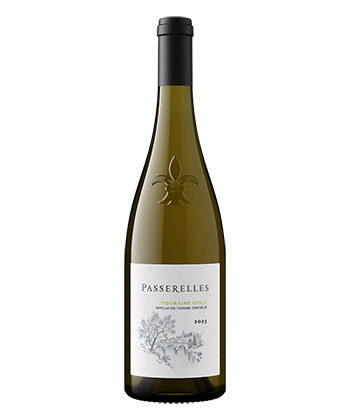
Pale yellow color with green reflections · Aromas of white flowers, citrus, and a hint of minerality · Crisp acidity and a long, elegant finish
This Pouilly-Fuissé offers a delicate balance of fruit and minerality, making it an excellent pairing for spring salads and seafood.
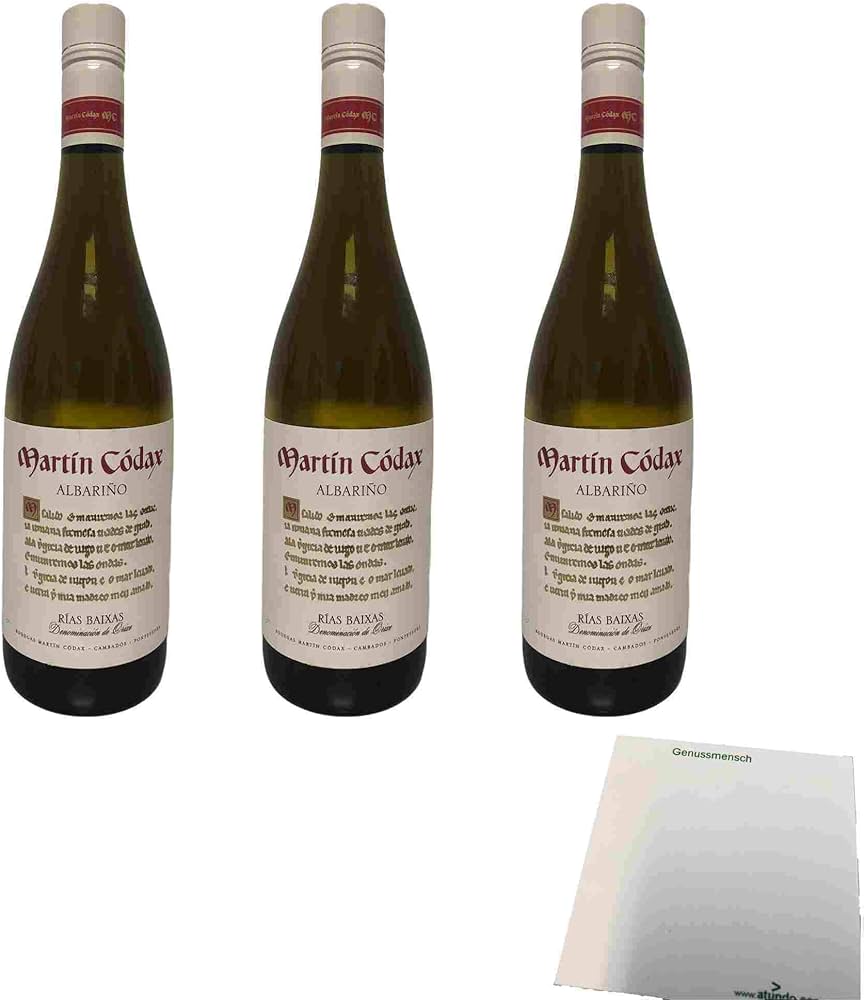
Vibrant aromas of grapefruit, green apple, and a touch of sea salt · Lively acidity and a refreshing, zesty palate · Medium-bodied with a clean, dry finish
Albariño from Rías Baixas is a quintessential spring wine, its bright citrus notes and saline minerality cutting through rich dishes and enhancing lighter fare.
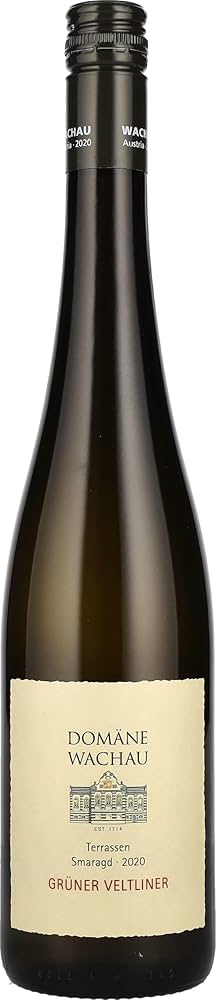
Notes of green pepper, lentil, and a hint of citrus zest · Peppery spice characteristic of the varietal · Dry, crisp, and refreshing with a lingering finish
Grüner Veltliner from Austria's Wachau region provides a unique peppery complexity that pairs wonderfully with asparagus and other spring vegetables.
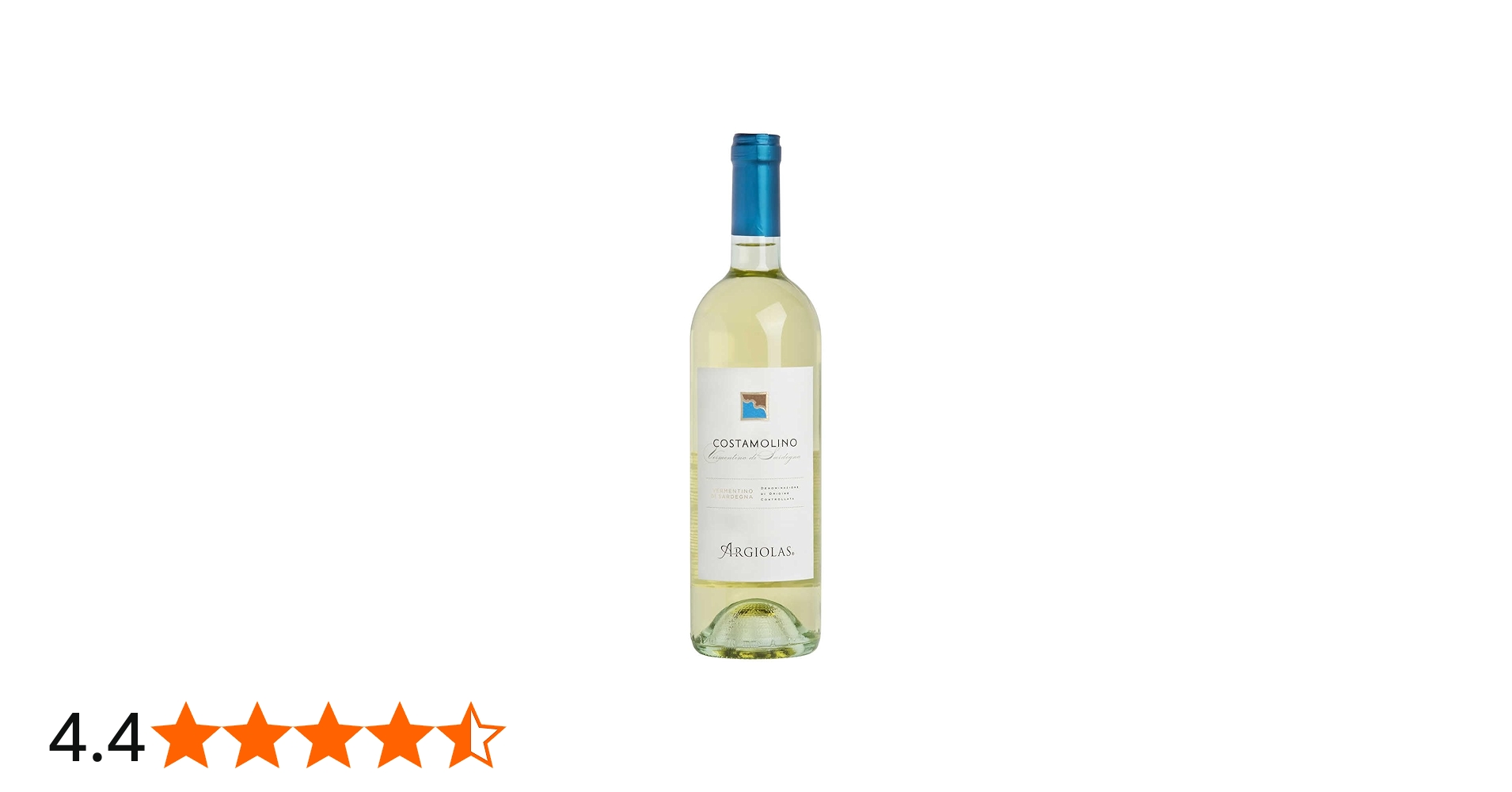
Aromatic profile of citrus, white peach, and Mediterranean herbs · Smooth texture with balanced acidity · Dry and refreshing with a subtle almond finish
Vermentino from Sardinia offers a delightful Mediterranean character, with herbaceous and citrus notes that are perfect for grilled fish and light pasta dishes.

Intense passionfruit and gooseberry aromas · Vibrant acidity and a lingering herbaceous finish · Full-bodied with a distinct tropical fruit profile
Cloudy Bay Sauvignon Blanc is renowned for its bold, aromatic profile, delivering a refreshing burst of tropical fruit and herbaceous notes ideal for spring gatherings.
As an Amazon Associate I earn from qualifying purchases. Prices may vary.
Serving & Enjoying: Temperature and Glassware
Serving temperature is crucial for dry white wines. Most benefit from being chilled, but avoid making them too cold, as this can mask their aromas and flavors. A good rule of thumb is to aim for 45-55°F (7-13°C) for lighter-bodied wines like Pinot Grigio and Vinho Verde, and 50-60°F (10-16°C) for more full-bodied wines like Chardonnay and Assyrtiko.
Glassware also plays a role. A slightly narrower glass will help to concentrate the aromas of more aromatic wines like Sauvignon Blanc, while a wider glass can allow more complex wines like Chardonnay to breathe. Ultimately, personal preference is key – choose a glass that you enjoy drinking from.
Decanting isn’t typically necessary for most dry white wines, but a brief period in the refrigerator can help to bring them to the optimal serving temperature. Wine aerators can also be used to soften the wine and release its aromas, but they’re not essential.
Where to Buy & What to Look For
You can find these wines at many online retailers, such as Wine.com, as well as at local wine shops. Don't hesitate to ask your local wine merchant for recommendations – they can often point you towards hidden gems. Wine clubs are another great way to discover new wines and receive personalized recommendations.
When reading wine labels, pay attention to the region, grape variety, and vintage. Vintage variations can significantly impact the quality of the wine. Look for wines from reputable producers and consider seeking out wines that are certified organic or biodynamic. Supporting sustainable wine practices is a great way to contribute to a healthier planet.
Don’t be afraid to venture beyond the familiar and explore new regions and grape varieties. The world of wine is vast and exciting, and there’s always something new to discover. Your local wine shop is a great starting point for that exploration.
No comments yet. Be the first to share your thoughts!