

Sweet Reds: Beyond the Basics
Many people think of red wine as dry and tannic, but there's a whole world of sweet red wines to explore. These wines are great for anyone, whether you're new to wine or have been drinking it for years. It's not true that all red wine is dry.
Sweet red wines have a long history. For centuries, they were enjoyed by everyone, from royalty to commoners. Winemakers used methods like late harvesting or adding sweeteners. While tastes have shifted towards drier wines, the appeal of sweetness remains.
Sweet red wines are versatile and pair well with many foods, from spicy dishes to savory cheeses. They offer an approachable, fruit-forward, and enjoyable experience, making them a great alternative to dry reds.
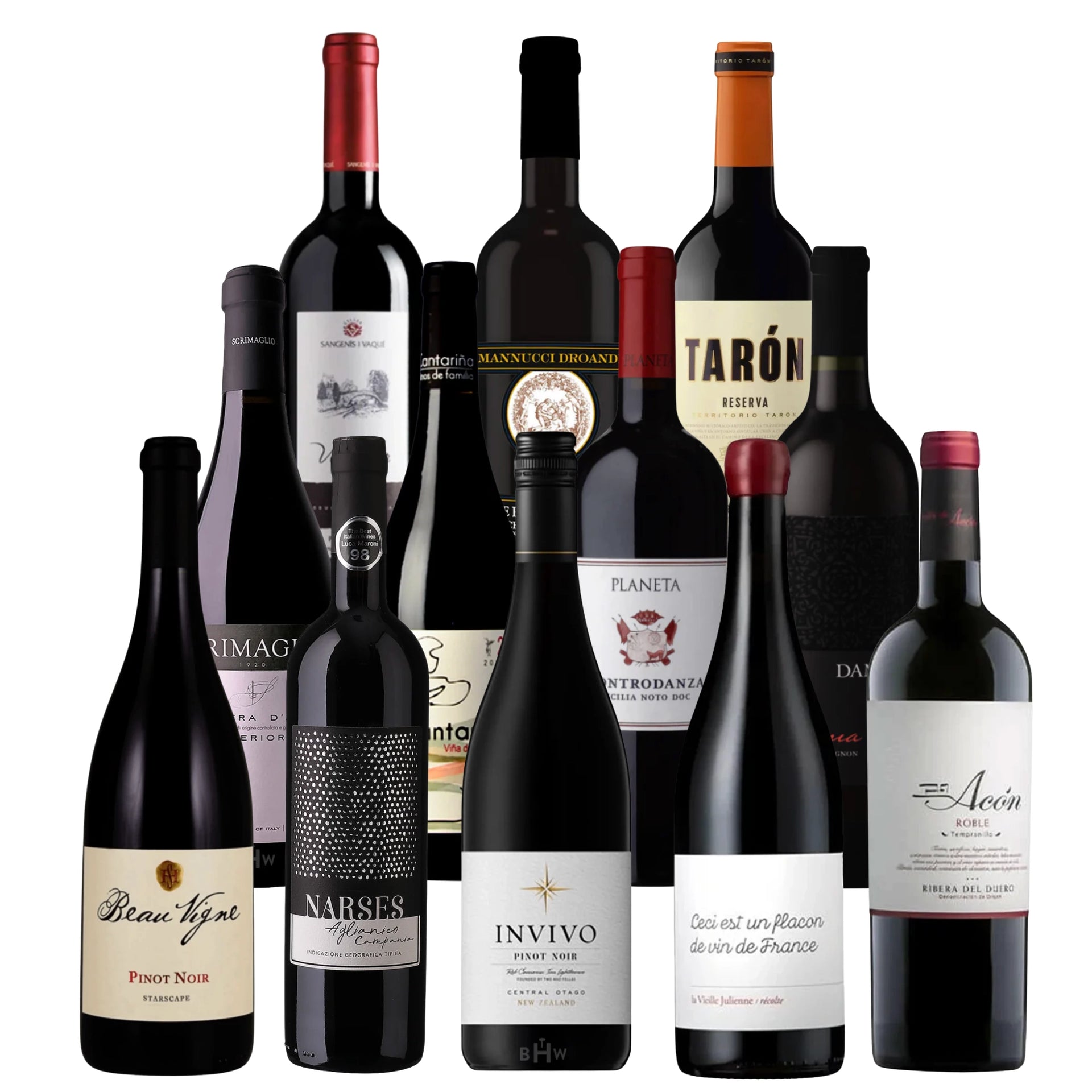
Top 8 Sweet Reds Under $25 (2026)
Here are eight excellent sweet red wines available for under $25. Prices can fluctuate, so consider these estimates.
Lambrusco Grasparossa di Castelvetro: From Emilia-Romagna, Italy, this Lambrusco offers bright cherry and raspberry flavors with a slight earthy note. It’s generally dry-to-off-dry (sweetness level: 2/5), with lively bubbles. It pairs wonderfully with pizza, cured meats, and grilled vegetables. Expect to find bottles around $15-$20.
Moscato d’Asti (various producers): Hailing from Piedmont, Italy, Moscato d’Asti is lightly sparkling and bursting with peach, apricot, and orange blossom aromas. Its sweetness level is a noticeable 4/5, making it a perfect brunch accompaniment or a refreshing aperitif. Look for producers like Saracco or Vietti, typically around $12-$18.
Brachetto d’Acqui (various producers): Another Piedmontese gem, Brachetto d’Acqui is intensely aromatic, with notes of rose petals, strawberries, and raspberries. It’s lightly sparkling and possesses a lower alcohol content. Sweetness sits around 3/5, and it’s ideal with fruit tarts or light desserts. Bottles generally range from $16-$22.
Ruby Port (Taylor Fladgate Late Bottled Vintage): While some vintage Ports can be pricey, a Late Bottled Vintage (LBV) Ruby Port from a reputable producer like Taylor Fladgate often remains under $25. Expect rich flavors of black cherry, plum, and chocolate, with a pronounced sweetness (4/5). It’s a classic pairing with cheese and dark chocolate.
Banyuls (various producers): From the Roussillon region of France, Banyuls is a fortified wine made from Grenache grapes. It’s intensely aromatic, with notes of fig, prune, and spice. Sweetness is high (5/5), and it’s a fantastic digestif or pairing with chocolate desserts. A good bottle will cost around $18-$24.
Black Spanish (James Beard Award Winner): A unique offering from the southeastern United States, this wine boasts dark fruit flavors and a surprisingly dry finish despite its ruby color. It's a bit of a wildcard, with a sweetness of 2/5, but can pair well with barbecue or spicy dishes. Expect to pay around $14-$18.
Carmenere (Chile – Montes Alpha): While often produced as a dry wine, some Chilean Carmenere producers offer slightly sweeter versions. Look for wines with notes of blackberry, plum, and a hint of spice. Sweetness level is around 2.5/5, and it’s a versatile food wine. Expect to find bottles around $15-$20.
Dolcetto (Italy – Vietti): While typically dry, some Dolcetto wines exhibit a residual sweetness, especially those from warmer vintages. Look for notes of dark cherry, licorice, and almond. Sweetness is a subtle 1.5/5, making it a good entry point for those hesitant about overtly sweet wines. Around $12-$16.
Featured Products

Fruity notes of cherry, raspberry, and blackberry · Smooth and approachable finish · Versatile pairing with a variety of foods
This blend offers a crowd-pleasing sweetness with vibrant fruit flavors, making it an excellent and affordable choice for those new to red wine.

Light and fruity with notes of strawberry and watermelon · Refreshing and crisp taste · Pairs well with spicy foods, salads, and light pasta dishes
Sutter Home White Zinfandel is a classic beginner-friendly option, known for its easy-drinking style and delightful balance of sweetness and acidity.
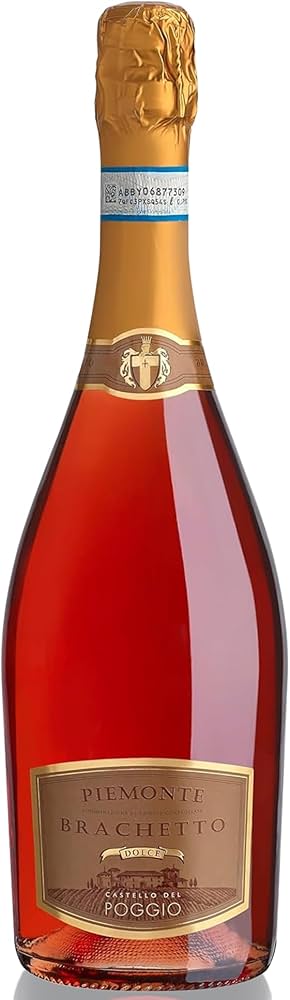
Aromatic with notes of rose petals, strawberries, and raspberries · Sweet and slightly fizzy · Ideal with fruit desserts, pastries, and light cheeses
Castello del Poggio Brachetto d'Acqui is a wonderfully aromatic and lightly sparkling red wine that offers a delightful sweetness, perfect for dessert or as a celebratory drink.

Sweet and fruity with hints of strawberry and cherry · Smooth and mellow profile · Enjoyable on its own or with light desserts
Beringer Main & Vine White Zinfandel provides a consistently sweet and approachable flavor profile that is very forgiving for novice wine drinkers.

Fruity and slightly sweet with notes of cherry, raspberry, and blackberry · Lightly sparkling for a refreshing effervescence · Pairs well with pizza, pasta, and fruit platters
Stella Rosa Rosso is a popular choice for its vibrant red fruit flavors and gentle sweetness, complemented by a touch of sparkle for an enjoyable and easy-drinking experience.
As an Amazon Associate I earn from qualifying purchases. Prices may vary.
Lambrusco: The Sparkling Sweet Spot
Lambrusco often gets a bad rap, unfairly associated with cheap, overly sweet wines of the past. However, quality Lambrusco is a versatile and delicious wine. It comes in several styles: secco (dry), amabile (slightly sweet), and dolce (sweet). For wine beginners, amabile is a good starting point.
Lambrusco's effervescence is a key part of its appeal. The bubbles lift the fruit flavors and make it refreshing. It's a good food wine because the bubbles cut through richness and the slight sweetness complements many dishes.
Serve Lambrusco slightly chilled—around 45-50°F. Don’t overchill it, as that can mute the aromas. It's best enjoyed young, within a year or two of the vintage. Its acidity means it doesn't necessarily benefit from decanting.
Brachetto d’Acqui: A Piedmontese Delight
Brachetto d’Acqui is a sweet red wine from Piedmont, Italy. Its aroma is recognizable – a perfume of rose petals, strawberries, and a hint of spice. It’s a light-bodied wine, with a gentle fizz, and a delicate sweetness.
undefineds traditionally paired with biscotti and other light desserts, but it’s also excellent on its own as an aperitif. It's a world apart from the bolder flavors of Port or Banyuls, offering a more nuanced and elegant experience.
Port: A Classic for a Reason
Port, a fortified wine from Portugal, is a classic choice for those seeking a sweet red. Ruby Port is the most common style, known for its deep color and fruity flavors. Tawny Port, aged in oak barrels, develops nutty and caramel notes. White Port, made from white grapes, offers a different flavor profile altogether.
The aging process significantly impacts Port’s flavor. Longer aging leads to more complex aromas and a smoother texture. While vintage Ports can be expensive, many affordable options are available. Ruby Port, in particular, is often found for under $25. It's traditionally enjoyed as a digestif, paired with cheese, nuts, or dark chocolate.
Finding a true vintage Port under $25 in 2026 might be challenging, but excellent Tawny Ports and Ruby Ports from reputable producers remain accessible. These wines are best served slightly chilled, around 60-65°F, to enhance their aromas and flavors.
Beyond the Bottle: Serving & Tasting
Serving temperature is important for sweet red wines. Generally, lighter-bodied wines like Lambrusco and Brachetto d’Acqui are best served chilled—between 45-55°F. Fuller-bodied wines like Port can be enjoyed at slightly warmer temperatures, around 60-65°F. Using the right glassware isn't as critical as with dry wines, but a slightly smaller glass can help concentrate the aromas.
When tasting, pay attention to the aromas. What fruits do you detect? Are there any spice notes? Swirl the wine gently to release the aromas, then take a small sip and let it coat your mouth. Notice the sweetness level, the body (light, medium, or full), and the finish (how long the flavors linger).
Decanting isn’t usually necessary for sweet red wines. Most are ready to drink upon opening, and decanting could actually diminish their delicate aromas. However, if a wine seems cloudy, you can gently decant it to remove any sediment.
- Swirl the wine gently.
- Take a small sip.
- Notice the sweetness, body, and finish.
Sweet Red Pairings: What to Eat
Sweet red wines are incredibly versatile when it comes to food pairings. Lambrusco’s bubbles and acidity make it a perfect match for pizza, pasta with tomato sauce, and charcuterie. Brachetto d’Acqui pairs beautifully with fruit tarts, chocolate-covered strawberries, and light pastries.
Ruby Port is a classic pairing with strong cheeses like Stilton or Gorgonzola, as well as dark chocolate. Banyuls is a fantastic match for chocolate desserts, especially those with nuts or dried fruit. Don’t be afraid to experiment! Try a Black Spanish with spicy barbecue or a sweeter Carmenere with grilled salmon.
Consider contrasting flavors. The sweetness of the wine can balance out spicy or salty dishes. For example, a slightly sweet Lambrusco can tame the heat of a spicy curry. A fruity Brachetto d’Acqui can complement the richness of a creamy cheese.
Where to Find These Wines
You can find many of these wines at online retailers like Wine.com and Amazon. Local wine shops are also a great resource, as they can offer personalized recommendations and often host tastings. Availability may vary depending on your location, so it's always a good idea to check with several stores before making a trip.
Don't hesitate to ask the staff at your local wine shop for help. They can often point you towards hidden gems and suggest wines that you might not find on your own.
No comments yet. Be the first to share your thoughts!