

Sweet red wine? Really?
It’s a fair question. Most people associate red wine with dryness, a certain tannic grip, and complex flavors. The idea of a sweet red wine can feel… unexpected. But trust me, they exist, and they’re surprisingly delightful. For a long time, sweet red wines were often overlooked, considered less sophisticated than their dry counterparts. That’s changing, and we’re seeing more winemakers embrace intentionally sweet styles.
Historically, all wines had some level of residual sugar. It wasn’t until advances in winemaking allowed for complete fermentation—turning all the grape sugars into alcohol—that dry wines became the standard. Now, a resurgence in interest, combined with a desire for more approachable wines, is bringing sweeter reds back into the spotlight. This guide focuses on the best sweet red wines you can find for under $30 in 2026, geared towards those just starting to explore the world of wine.
We're looking ahead to 2026 because wine trends evolve. Current indicators point towards continued growth in demand for accessible, fruit-forward wines, and that includes sweeter styles. This isn't about sugary drinks masquerading as wine; it's about balanced wines with a delightful touch of sweetness that make them incredibly easy to enjoy.
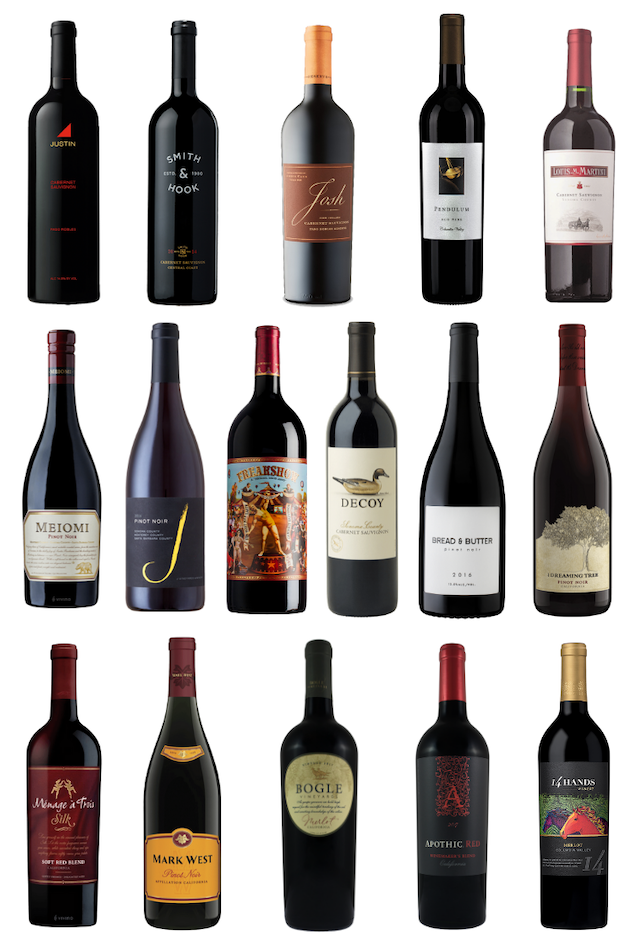
What makes a red wine sweet?
The key to sweetness in wine is residual sugar. This is the sugar left over in the wine after fermentation. Grapes naturally contain sugar, and yeast consumes that sugar to produce alcohol. When winemakers stop fermentation early, or if environmental conditions halt the process before all the sugar is converted, residual sugar remains.
Sweetness comes from residual sugar left after fermentation, not typically from added sugar. Winemakers achieve this through methods like late-harvesting or stopping fermentation early. Sweetness is a stylistic choice, and perception varies by individual.
Factors like acidity play a huge role. A wine with high acidity can balance out sweetness, making it taste more refreshing and less cloying. That’s why many sweet wines have a bright, zesty character. The amount of residual sugar is measured in grams per liter (g/L), but this number doesn’t always tell the whole story.
8 Sweet Reds Under $30
Predicting exact availability and pricing for 2026 is difficult, but these wines are based on current trends and anticipated production. Prices are approximate and can vary based on location and retailer. I've focused on wines that are generally available across many US states.
Lambrusco (Italy): Often around $12-18. This sparkling red wine from Emilia-Romagna is known for its fruity flavors of cherry, raspberry, and a slight sweetness. It’s incredibly versatile with food. Look for the Amabile or Dolce styles for the sweetest expressions.
Brachetto d'Acqui (Italy): Expect to pay $15-25. A lightly sparkling red wine from Piedmont, Brachetto d'Acqui is intensely aromatic with notes of rose petals, strawberries, and raspberries. It’s delightfully sweet and low in alcohol. It’s a perfect after-dinner drink.
Ruby Port (Portugal): Typically $18-30. While some Ports can be quite expensive, younger Ruby Ports are readily available at this price point. Expect flavors of dark berries, chocolate, and spice. It’s a classic pairing with blue cheese.
Black Muscat (California, USA): Around $15-22. This wine is known for its intense floral aroma and flavors of blackberry, raspberry, and a hint of spice. It often has a syrupy texture and is best enjoyed as a dessert wine.
Dornfelder (Germany): Generally $10-15. Dornfelder is a German red grape known for its deep color and fruity flavors. Some producers make sweeter styles with notes of cherry, plum, and chocolate. It's a good entry point for those new to sweet reds.
Bonarda (Argentina): $12-18. Bonarda is becoming increasingly popular for its juicy, fruit-forward character. Some Argentinian Bonardas retain a noticeable amount of residual sugar, offering flavors of blackberry, plum, and a touch of spice.
Shiraz/Syrah (Australia/France - certain styles): $15-28. While typically dry, some Shiraz/Syrah wines are intentionally made with a touch of sweetness. Look for wines described as “late harvest” or “fruit-forward.” You’ll find notes of blackberry, plum, and chocolate.
Rosa do Bairrada (Portugal): $10-15. This sparkling red wine from Portugal is light-bodied and slightly sweet, with flavors of red berries and a refreshing fizz. It’s a great option for warm weather and casual gatherings.
Featured Products
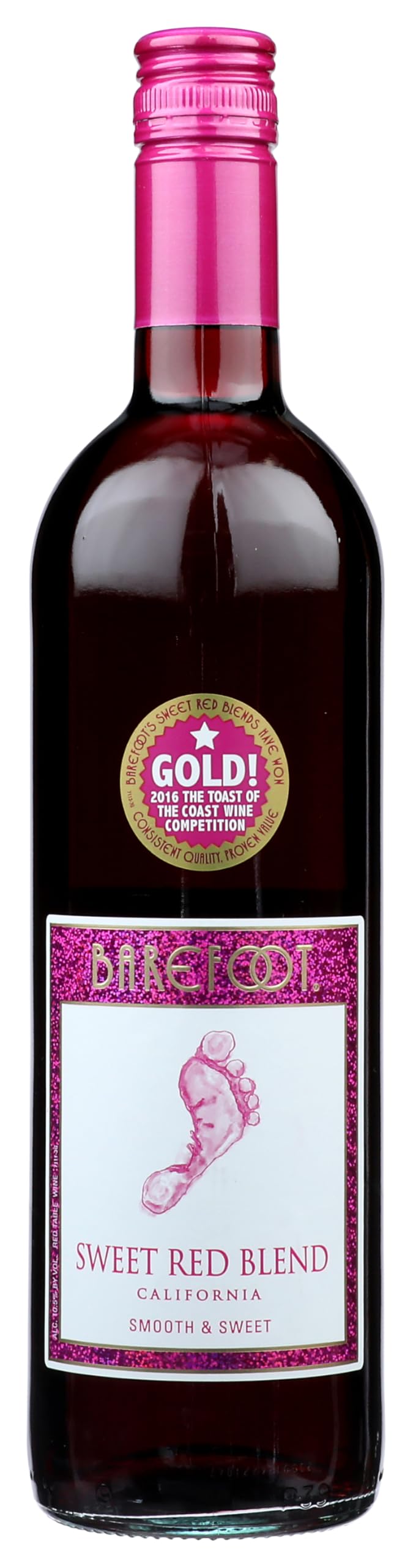
Fruity aroma with notes of cherry and plum · Smooth and balanced finish · Versatile pairing with various dishes
This wine is a great entry-level option, offering a pleasant sweetness and approachable fruit flavors that are easy to enjoy for beginners.

Convenient 187mL single-serving bottles · Rich dark fruit flavors · Smooth tannins
These convenient single-serving bottles make it easy to enjoy a taste of Cabernet Sauvignon without committing to a full bottle, offering a classic red wine profile.
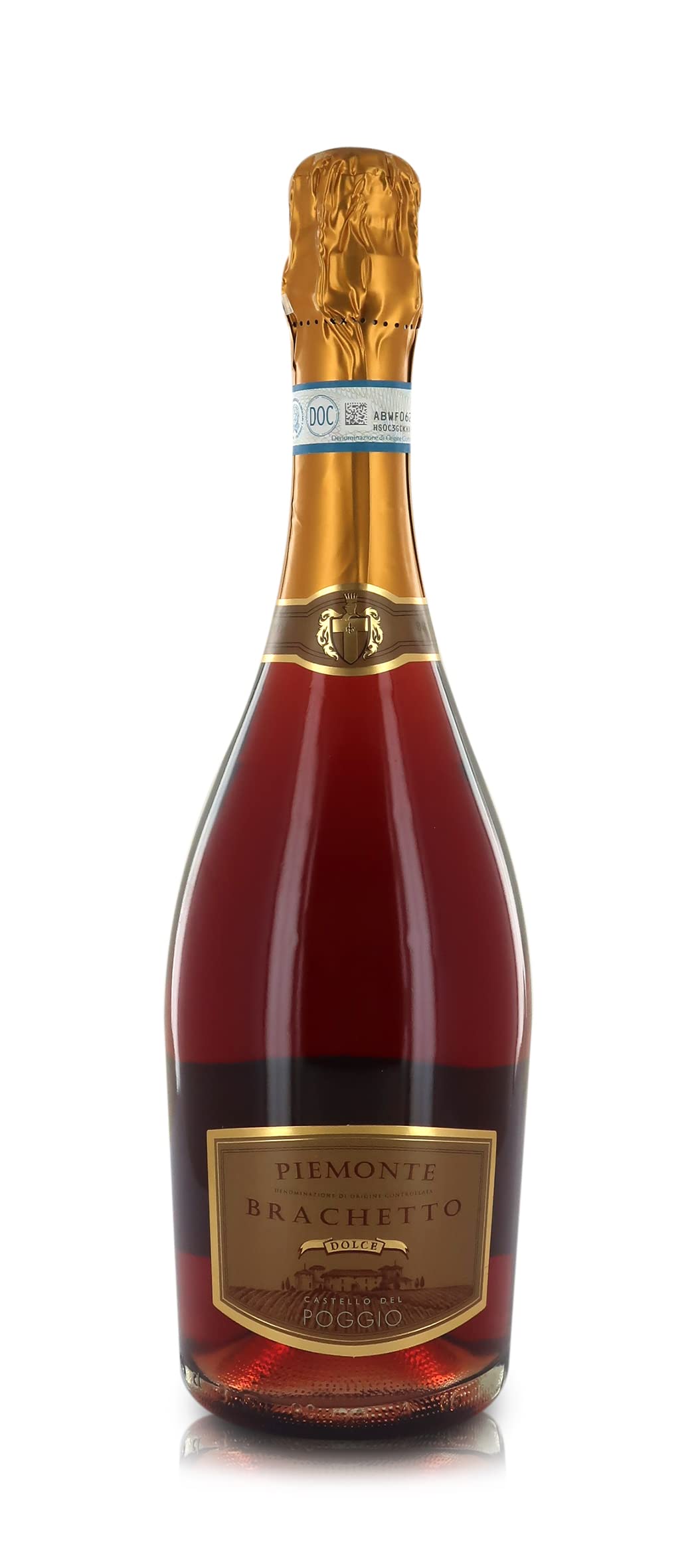
Sweet and slightly sparkling · Aromatic notes of rose petals and berries · Light and refreshing
This Italian red offers a delightful sweetness with a hint of sparkle, making it an exceptionally approachable and refreshing choice for those new to red wines.

Fruity and slightly sweet · Notes of berries and cherries · Smooth and easy-drinking
Roscato Rosso Dolce is known for its vibrant fruitiness and gentle sweetness, providing a very accessible and enjoyable red wine experience for beginners.
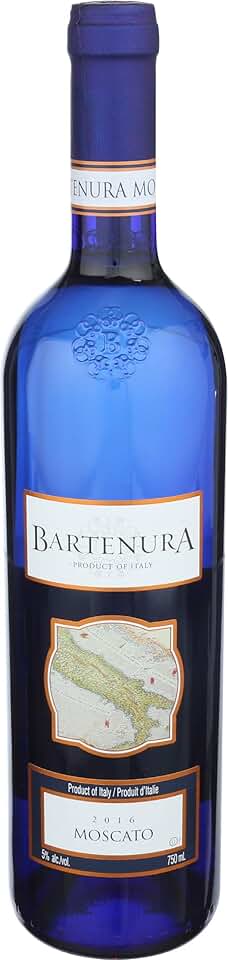
Sweet with floral and fruity notes · Lightly sparkling (frizzante) · Low alcohol content
While technically a white wine, Moscato is often enjoyed by those who prefer sweeter red wines due to its pronounced sweetness, fruity character, and light effervescence.
As an Amazon Associate I earn from qualifying purchases. Prices may vary.
Serving and temperature
Unlike many dry reds that are best served at room temperature, sweet red wines often benefit from a slight chill. Around 55-60°F (13-16°C) is ideal. Chilling enhances the sweetness and fruitiness, making them even more refreshing. Don't over-chill, though, as this can mute the flavors.
Do you need a special glass? Not necessarily. While a larger bowl can help to express the aromas, a standard red wine glass will do just fine. A wider bowl allows for more swirling, which releases the wine’s aromas. However, don't feel pressured to invest in expensive glassware if you're just starting out.
Decanting isn’t usually necessary for these wines. They don’t typically have the tannins that benefit from decanting. However, if the wine has been heavily filtered, a short decant of 15-20 minutes won’t hurt—it can help to open up the aromas and flavors.
Food pairings
Forget the old rule of only pairing sweet wines with desserts. While they do excel with chocolate and fruit tarts, they're surprisingly versatile. Lambrusco, with its bubbly character, is fantastic with pizza, especially those with spicy toppings. The wine’s acidity cuts through the richness of the cheese and sauce.
Brachetto d'Acqui’s floral aromas and delicate sweetness make it a wonderful match for fruit tarts, almond biscotti, or even light cheeses. Port-style wines, with their rich, concentrated flavors, pair beautifully with aged cheeses like Stilton or Gorgonzola. The saltiness of the cheese balances the wine's sweetness.
Black Muscat is a classic pairing with dark chocolate, but it also works well with creamy desserts like panna cotta. A slightly chilled Bonarda can complement grilled meats or spicy sausages. Don’t be afraid to experiment! The key is to find pairings where the sweetness of the wine is balanced by the flavors of the food.
Sweet Red Wine & Food Pairing Guide
| Wine Style | Pizza | Fruit Tarts | Dark Chocolate | Spicy Asian Cuisine |
|---|---|---|---|---|
| Lambrusco | Good | Excellent | Okay | Good |
| Brachetto d'Acqui | Okay | Excellent | Good | Avoid |
| Port-style (Ruby) | Avoid | Good | Excellent | Okay |
| Lambrusco Salamino | Good | Excellent | Okay | Good |
| Brachetto d'Acqui DOCG | Okay | Excellent | Good | Avoid |
| Port-style (Tawny) | Avoid | Okay | Excellent | Avoid |
| Lambrusco Grasparossa | Good | Good | Okay | Good |
Illustrative comparison based on the article research brief. Verify current pricing, limits, and product details in the official docs before relying on it.
Decoding wine labels
Wine labels aren't always straightforward, but certain terms can give you clues about sweetness. Look for words like 'Doux' (French for sweet) or 'Semi-Seco' (Italian for semi-sweet). These terms indicate a higher level of residual sugar. However, labeling regulations vary by country, so these terms aren't always consistent.
Alcohol content can sometimes be an indicator. Wines with lower alcohol percentages (around 9-12%) often have more residual sugar, as the fermentation process was stopped before all the sugar was converted to alcohol. However, this isn’t a foolproof method. Vintage variation also plays a role—a warmer vintage might result in riper grapes and potentially more residual sugar.
Be aware that label information can be inconsistent. Some producers are more transparent than others. It’s always a good idea to consult online reviews or ask a wine shop employee for recommendations. Don't be afraid to ask questions!
Where to find these wines
You’ll likely find these wines at well-stocked wine shops, some grocery stores with a good wine selection, and online retailers. Amazon and Wine.com are good starting points. Local wine shops often have knowledgeable staff who can provide personalized recommendations.
Regional availability can vary. Some wines, like Lambrusco and Brachetto d'Acqui, are more readily available than others. Shipping regulations also vary by state, so be sure to check the retailer’s policies. Availability is always subject to change, so don't be discouraged if you can't find a specific wine right away.

Rabbit W6127 Wine Aerator and Pourer, Clear and Stainless Steel Design, Easy to Use for Enhancing Wine Flavor and Smooth Pouring
- Enhances wine flavor and aroma through aeration
- Provides a smooth, drip-free pour
- Durable stainless steel and clear acrylic design
This aerator is an excellent tool for beginners looking to explore sweet red wines, as it instantly improves the flavor and aroma of any wine, making your tasting experience more enjoyable.
View on Amazon →As an Amazon Associate I earn from qualifying purchases.
Sweet red wine questions
Is sweet red wine considered low quality? Absolutely not. Sweetness is a stylistic choice, not an indication of quality. Many high-quality wines are intentionally made with residual sugar. It’s about personal preference.
Can I make cocktails with sweet red wine? Yes! Sweet red wines can be a delicious base for cocktails. Try a simple spritzer with sparkling water and a slice of orange, or use it in place of vermouth in a red wine spritzer.
What’s the difference between sweet red wine and rosé? Rosé wines are made from red grapes, but the juice has limited contact with the grape skins, resulting in a lighter color and typically a drier style. Sweet red wines have more skin contact and retain more sugar.
Are there any dry red wines that taste sweet? Some dry red wines, particularly those with ripe fruit flavors and low tannins, can seem sweet even though they don’t have residual sugar. This is due to the perception of fruitiness. Wines like Beaujolais Nouveau can sometimes give this impression.
No comments yet. Be the first to share your thoughts!