

Beyond Organic: What’s Driving the Natural Wine Boom?
The wine world is experiencing a shift, with consumers caring more about where their wine comes from and how it's made. This mirrors a similar trend in the food industry towards farmers’ markets and local ingredients. Wine, however, has historically felt less connected to its origins.
The term "natural wine" is central to this shift, yet defining it precisely is challenging. Once a niche interest, natural wine has gained broad curiosity as people seek alternatives to conventional wines that feel more authentic and environmentally respectful.
This desire for authenticity aligns with a broader cultural push for transparency. Consumers want to know what’s in their wine and support producers with shared values. This goes beyond avoiding pesticides to a holistic winemaking approach that prioritizes vineyard health and product integrity.
Biodynamic wine is also gaining traction. While often confused, biodynamic farming is a specific, certified method, whereas 'natural wine' is a more loosely defined philosophy. Both reject industrial agriculture for a more traditional, hands-on approach to viticulture. The connection between them likely fuels the surge in interest for both.

I'm going to make a restaurant with no seed oils, toxic cookware or plastic...just ancient foods
— Carnivore Aurelius ©🥩 ☀️🦙 (@AlpacaAurelius) August 6, 2023
the menu is
raw milk
steak tartare
mussels
oysters
fried feta w. honey
beef liver & testes
bone in ribeye
potatoes in tallow
sourdough
fresh fruit
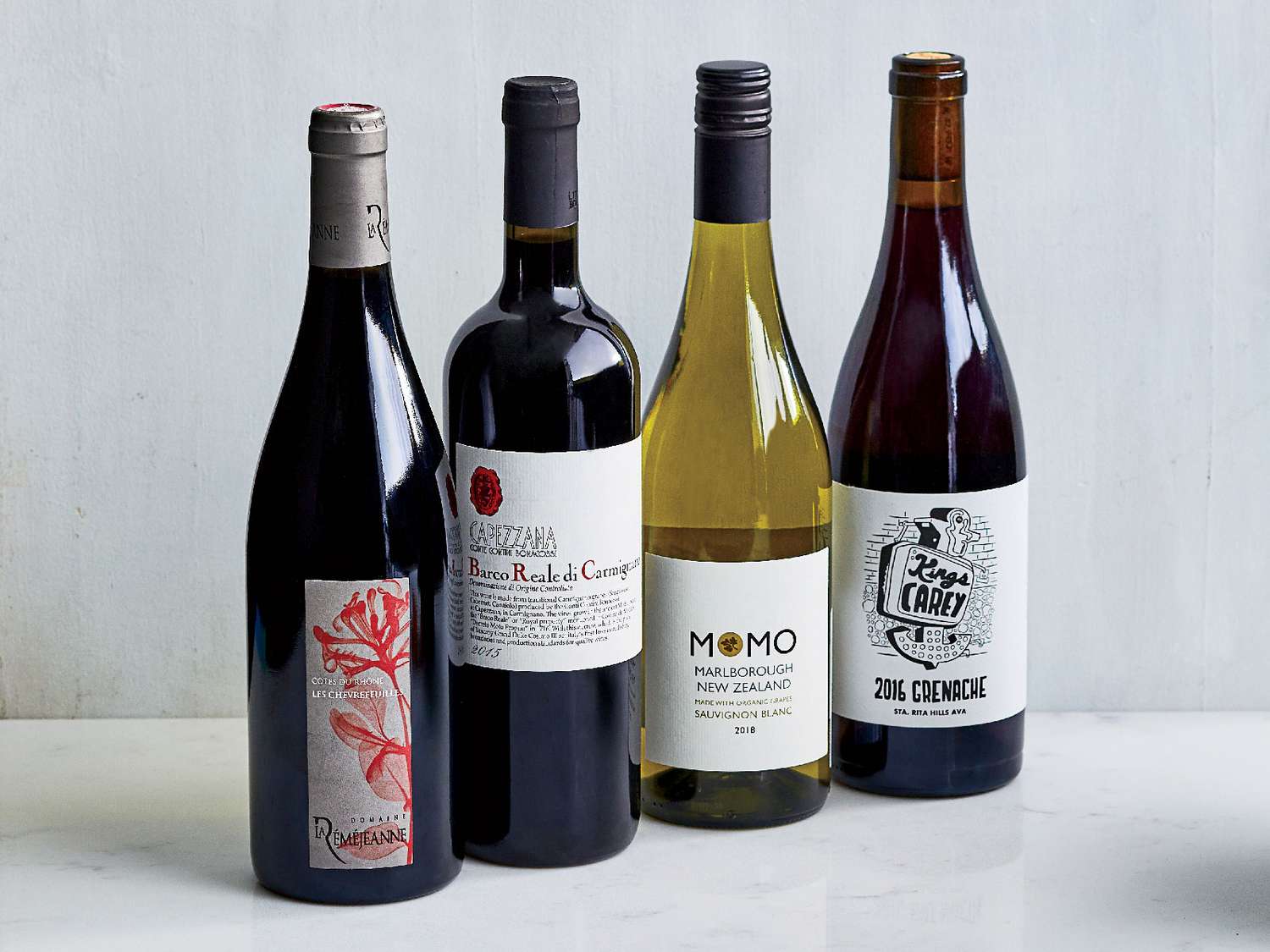
natural wines
fresh orange juice… pic.twitter.com/I3HvuD3dNE
Defining ‘Natural’: A Spectrum, Not a Rulebook
A significant challenge with "natural wine’ is the lack of a legal definition. Unlike ‘organic’ or ‘biodynamic,’ which have certification standards, ‘natural wine" is largely self-defined by producers. This allows for experimentation but also creates ambiguity and potential for greenwashing.
Natural wine producers generally follow common principles, prioritizing minimal intervention in the vineyard and winery. This involves avoiding synthetic pesticides, herbicides, and fertilizers, and using native yeasts for fermentation. The aim is to let the wine express its terroir without manipulation.
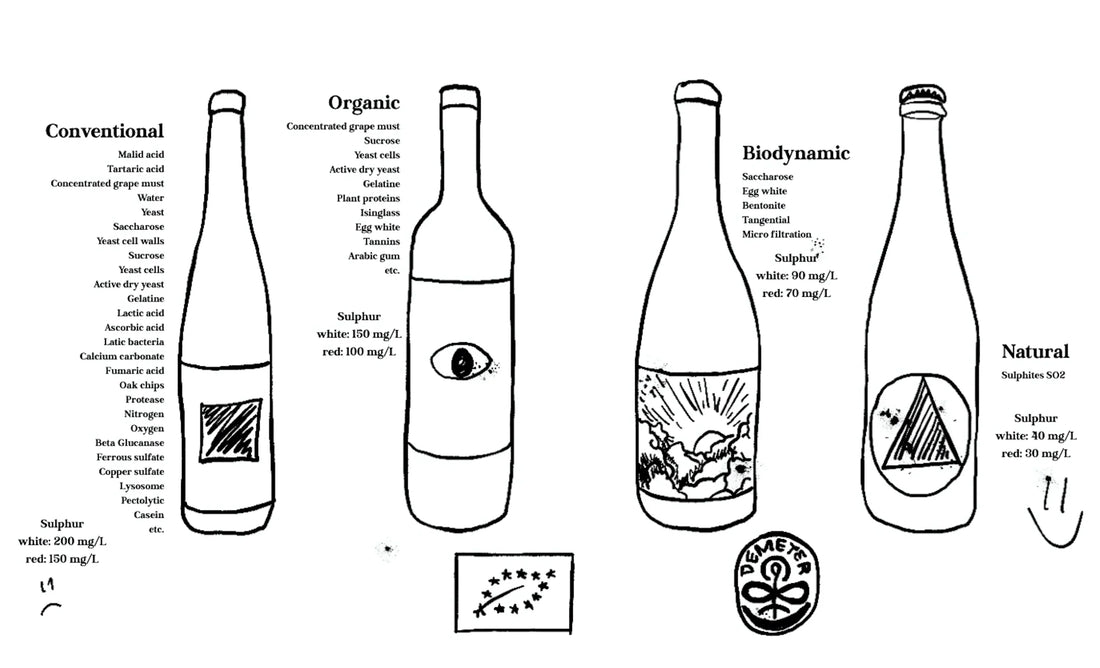
Limited sulfite use is another key characteristic. While sulfites are naturally produced during fermentation, conventional winemakers often add more for stability and to prevent spoilage. Natural wine producers typically add very little, or none. This can lead to wines that are more volatile and prone to oxidation, but also more expressive.
"Minimal intervention’ is subjective. Questions arise about what constitutes ‘little to no added sulfites,’ or if using an ‘unnatural’ fining agent matters when the vineyard is certified organic. These debates occur within the natural wine community. Additionally, some natural wines have aromas like ‘barnyard’ or ‘brett," which some find undesirable while others see them as signs of authenticity. Personal preference is key.
- Organic or Biodynamic Farming: Avoiding synthetic chemicals in the vineyard.
- Native Yeast Fermentation: Relying on yeasts naturally present in the environment.
- Minimal Sulfite Addition: Using little to no added sulfites.
- Unfined and Unfiltered: Avoiding processes that clarify and stabilize the wine.
Practices in Natural/Biodynamic Winemaking
- Native Yeast Fermentation - Utilizing yeasts naturally present on the grapes and in the winery, rather than commercially produced strains. This is a cornerstone of many natural wine approaches.
- Minimal Intervention - A broad philosophy prioritizing hands-off winemaking, avoiding manipulation of the wine’s natural process. This includes limiting additions and adjustments.
- Organic Farming Practices - Farming grapes without the use of synthetic pesticides, herbicides, or fertilizers. Often, but not always, certified organic.
- No Added Sulfites (at bottling) - While many aim for this, it’s less common in practice. A small amount of sulfites is often added at bottling to stabilize the wine and prevent oxidation.
- Biodynamic Preparations - Utilizing specific herbal and mineral preparations (like preparations 502-507) in the vineyard, following the principles of Rudolf Steiner’s biodynamic agriculture. This is central to biodynamic winemaking.
- Hand Harvesting - Grapes are harvested by hand, allowing for selective picking and gentler handling of the fruit. This is often, but not always, practiced.
- Use of Amphora/Clay Vessels - Fermenting and/or aging wine in traditional amphorae or clay vessels, offering a neutral environment and potentially influencing texture.
- Unfined and Unfiltered - Avoiding the processes of fining (clarifying with agents like egg whites or bentonite) and filtration, resulting in wines that may appear cloudy.
Biodynamics: A Holistic Approach to Viticulture
Biodynamic farming extends organic agriculture principles by focusing on interaction with the land. Developed by Rudolf Steiner in the 1920s, biodynamics views the vineyard as a self-sustaining ecosystem, a living organism requiring nurturing and balance.
Biodynamic preparations, numbered 500 through 509, are central to the practice. Made from herbs, minerals, and animal manures, they are applied in small doses. Preparation 500, from cow manure, is thought to enhance soil fertility, while Preparation 507, from chamomile, promotes vitality. Proponents attest to their effectiveness.
Biodynamic farmers also consider lunar cycles and planetary alignments, believing these cosmic forces influence plant growth. Activities like pruning, harvesting, and bottling are timed according to these cycles to work in harmony with nature. This philosophical and spiritual approach requires significant commitment from the winemaker.
The Demeter Association is the primary certifying body for biodynamic farms and wineries, requiring adherence to strict standards and regular inspections. While not all natural wine producers are certified biodynamic, many adopt biodynamic principles for sustainable farming. A growing number of wineries are choosing this route, signaling to consumers a deep respect for the environment and a commitment to quality.
The aim is to create a thriving vineyard ecosystem, not just grow grapes. This holistic approach is believed to produce wines with unique character, a sense of place, and an energy difficult to replicate with conventional methods.
- Preparation 500: Cow manure, enhances soil fertility.
- Preparation 507: Chamomile, promotes vitality.
- Preparation 508: Horn silica, improves plant structure.
- Preparation 509: Horn manure, aids in nutrient absorption.
Regions Leading the Natural & Biodynamic Charge
France leads the natural wine movement, especially in the Loire Valley, Beaujolais, and Alsace. Producers there were early adopters of minimal intervention and organic farming. Domaine de la Grange Tiphaine in the Loire is respected for its biodynamic practices.
Italy is also a hub for natural and biodynamic winemaking. Friuli is known for skin-contact orange wines, while Sicily and Tuscany produce exciting organic and biodynamic wines. COS in Sicily and Gravner in Friuli are pioneers.
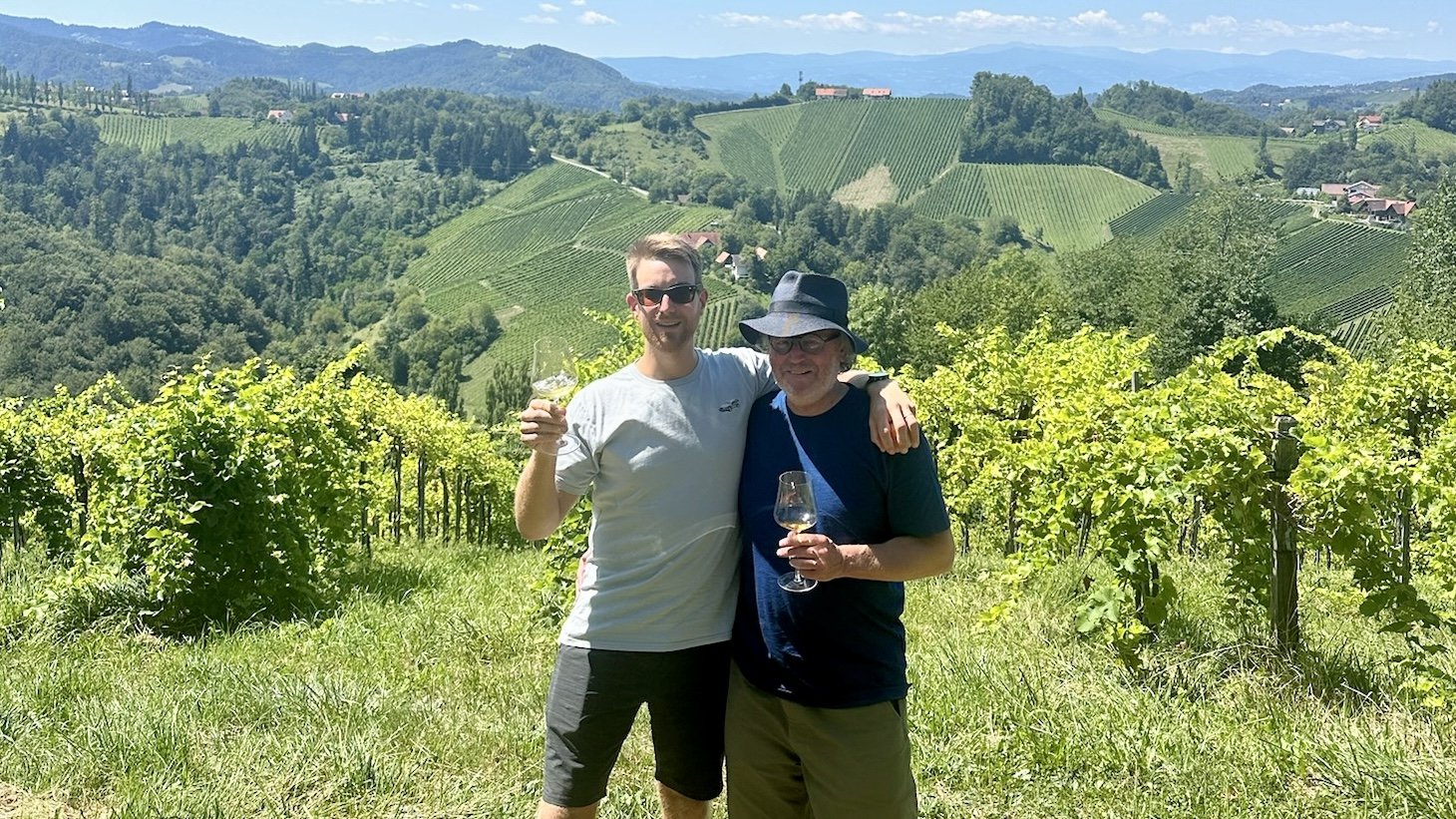
Austria and Slovenia have embraced these practices, with many wineries converting to organic or biodynamic farming, benefiting from a tradition of sustainable agriculture and focus on terroir. Outside Europe, California and Australia are emerging as significant players, with new winemakers pushing natural winemaking boundaries.
In California, Mendocino and Sonoma counties lead the way, while in Australia, regions like the Barossa Valley and McLaren Vale see growing adoption of biodynamic practices. This is a global movement gaining momentum worldwide.
- France (Loire Valley): Domaine de la Grange Tiphaine
- Italy (Friuli): Gravner
- Italy (Sicily): COS
- Austria: Weingut Sepp Muster
- California (Mendocino): Frey Vineyards
Regional Overview: Natural & Biodynamic Wine Production
| Region | Level of Adoption | Typical Wine Styles | Common Grape Varieties | Regulatory Support |
|---|---|---|---|---|
| France (Loire Valley) | High | Dry White, Sparkling, Light-Bodied Red | Chenin Blanc, Cabernet Franc, Gamay | Increasing, with regional certifications and a growing consumer demand for transparency. |
| Italy (Friuli-Venezia Giulia) | High | Skin-Contact Whites, Amber Wines, Fruity Reds | Friulano (Sauvignonasse), Ribolla Gialla, Merlot | Moderate, with a focus on organic certification as a stepping stone to natural practices. |
| California (USA) | Medium | Diverse – from light-bodied reds to complex whites | Zinfandel, Cabernet Sauvignon, Chardonnay, Pinot Noir | Growing, but fragmented. Organic certification is more common than biodynamic, with increasing interest in natural winemaking. |
| Germany (Mosel) | Medium | Dry Riesling, Off-Dry Riesling, Pinot Noir | Riesling, Pinot Noir | Moderate. Traditional practices are aligning with some natural winemaking principles, though formal adoption is still developing. |
| Spain (Priorat) | Low to Medium | Full-Bodied Red, Concentrated Flavors | Garnacha, Cariñena | Limited, but a growing number of producers are experimenting with biodynamic and natural techniques. |
| Australia (South Australia) | Low to Medium | Shiraz, Grenache, Alternative Varieties | Shiraz, Grenache, Mataro | Emerging. Focus on sustainable viticulture, with a smaller but dedicated group pursuing natural and biodynamic methods. |
| New Zealand (Marlborough) | Low | Sauvignon Blanc, Pinot Noir | Sauvignon Blanc, Pinot Noir | Limited, but increasing interest in sustainable and organic practices that align with natural winemaking principles. |
Illustrative comparison based on the article research brief. Verify current pricing, limits, and product details in the official docs before relying on it.
Pairing Natural Wine: A Different Approach
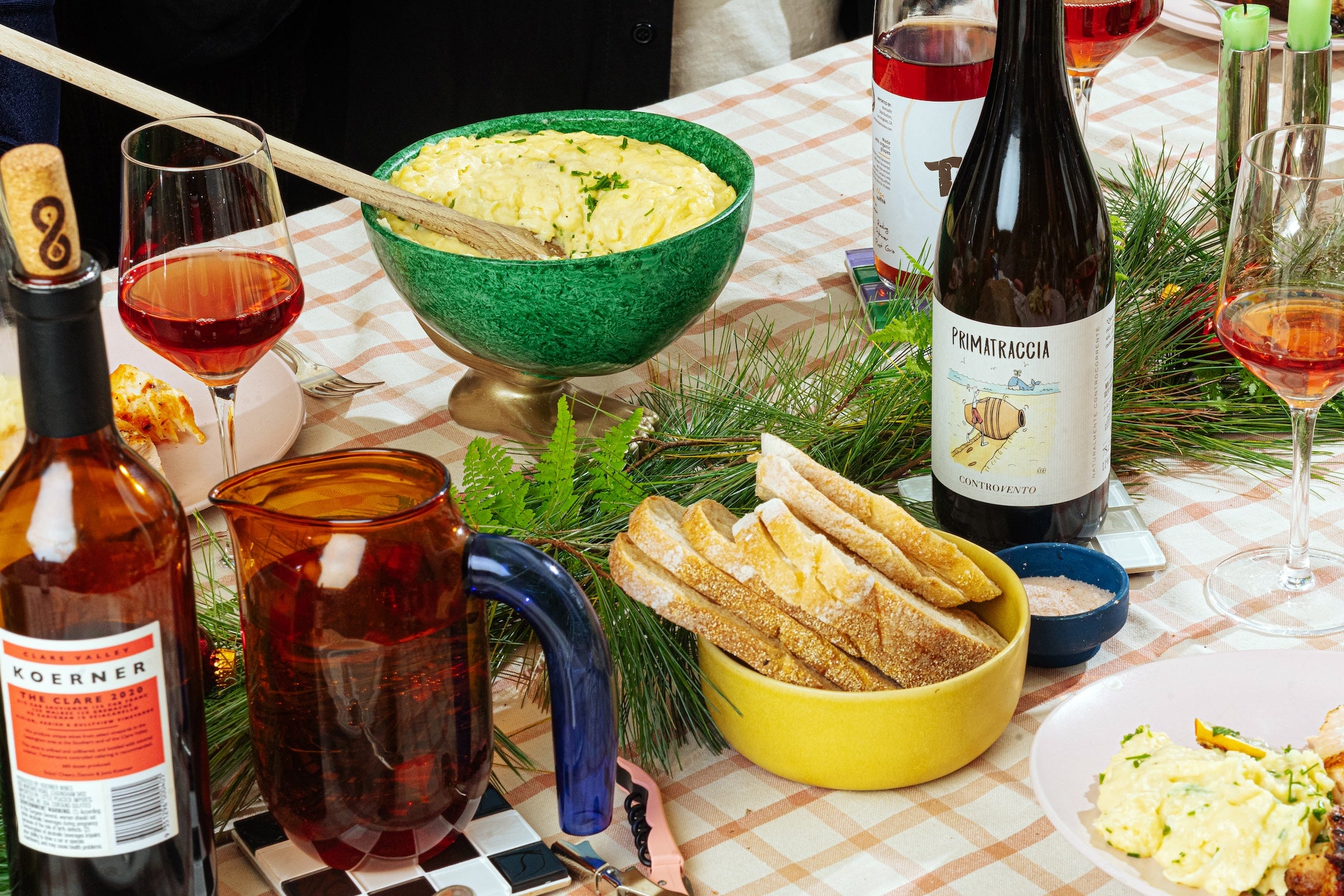
Natural wines often challenge traditional pairing rules due to their savory, earthy, or high-acidity profiles. Conventional pairings, like red wine with red meat or white wine with fish, don't always apply; a more adventurous approach is needed.
Natural wines pair well with dishes of similar rustic, earthy character. For instance, a pet-nat is excellent with oysters or fresh seafood, while a skin-contact orange wine's tannic structure can complement spicy Thai or Sichuan cuisine.
Experiment with unusual pairings. A light-bodied red natural wine can work well with grilled vegetables, and a cloudy white can complement a cheese board. The goal is to find flavors that complement the wine’s unique characteristics without overpowering them.
undefined of my most memorable wine experiences while pairing natural wines with unexpected dishes.
Serving & Glassware: Enhancing the Experience
Serving natural wine is a little different than serving conventional wine. Many natural wines are best served with a slight chill, even reds. This helps to preserve their freshness and vibrancy. It's also worth noting that many natural wines are unfiltered, so you may find sediment at the bottom of the bottle. Don't be alarmed – this is perfectly natural and doesn't affect the wine's quality.
When it comes to glassware, shape matters. According to mysa.wine, natural wines often benefit from glasses with a wider bowl and a narrower rim. This helps to concentrate the aromas and enhance the wine’s texture. A glass that directs the wine towards the front of the palate can also help to balance the acidity.
The idea of "live’ wine is also important. Natural wines are often seen as living organisms, and gentle handling is key. Avoid excessive shaking or swirling, and pour the wine carefully to avoid disturbing the sediment. It"s about respecting the wine and allowing it to express itself fully.
Ultimately, the goal is to create an environment that allows the wine to shine. Choose the right temperature, the right glass, and the right company, and you’re well on your way to a memorable experience. Serving natural wine is a celebration of authenticity and a commitment to a more sustainable way of life.
2026 Predictions: What to Expect
I predict that the demand for natural and biodynamic wines will continue to grow significantly over the next few years, reaching a new level of mainstream acceptance by 2026. Consumer awareness of sustainable agriculture and the health benefits of natural products is increasing, and wine drinkers are increasingly seeking out alternatives to conventionally produced wines. This trend is driven by younger generations, who are particularly attuned to environmental issues and social responsibility.
However, there are challenges ahead. Scaling up production while maintaining quality is a major concern. As demand increases, there’s a risk that some producers may compromise their principles in order to meet the growing market. Maintaining the integrity of the "natural wine" category will be crucial.
Another challenge is price. Natural wines often cost more than conventional wines, due to the lower yields and more labor-intensive farming practices. Making these wines more accessible to a wider audience will require innovation and a willingness to explore alternative business models. I believe we’ll see more wineries offering direct-to-consumer sales and subscription services.
I also anticipate seeing more experimentation with ancient winemaking techniques, such as the use of amphorae (clay vessels) for fermentation and aging. These techniques are gaining popularity among natural wine producers, as they offer a more gentle and nuanced approach to winemaking. We may also see a greater focus on regionality, with producers highlighting the unique characteristics of their terroir.
Finally, I expect to see increased transparency and traceability in the natural wine industry. Consumers will demand more information about where their wine comes from and how it’s made, and producers will need to respond by providing clear and accurate labeling. The future of wine is natural, sustainable, and transparent, and I'm excited to see where this journey takes us.
Content is being updated. Check back soon.
No comments yet. Be the first to share your thoughts!