

Why aerate wine instead of decanting
Decanting is the traditional method for breathing wine, but it demands patience and extra glassware. A wine aerator delivers similar results in a fraction of the time by forcing wine through a vented chamber as you pour. This rapid exposure to oxygen softens harsh tannins and releases aromas immediately, making it the practical choice for weeknight dinners or spontaneous gatherings.
The primary advantage of a wine aerator is consistency. Traditional decanting relies on surface area and time, variables that are hard to control. An aerator creates a controlled chemical reaction every time, ensuring your bold reds like Cabernet Sauvignon or Malbec taste smooth and open without waiting hours. It bridges the gap between a tightly closed bottle and a fully breathed glass with minimal effort.
While swirling wine in your glass is the easiest way to aerate a single serving, it lacks the volume and intensity needed for a full bottle. An aerator treats the entire bottle uniformly, allowing you to serve multiple guests with the same optimized flavor profile. This efficiency makes it an essential tool for anyone who values quality wine without the logistical hassle of decanting.
Pick the right wine aerator for your bottle
Choosing a wine aerator depends on how often you drink, which wines you pour, and what you expect from the process. A handheld pourer works like a filter, forcing wine through a chamber as you tip the bottle. A stopper-style model sits inside the bottle, aerating the wine without pouring. Electric units use a battery-powered pump to inject air, offering speed but requiring charging.
For everyday reds, a simple handheld pourer is usually the best choice. It’s affordable, easy to clean, and requires no batteries. If you drink mostly white or rosé, consider a stopper aerator. These models let you aerate the entire bottle at once, preserving the wine without exposing it to too much air for too long. Electric aerators are best for those who want a decanter-like effect in seconds, though they come with a higher price tag and more moving parts.
To help you decide, here is a quick comparison of the most common types.
| Type | Price Range | Best For | Cleaning |
|---|---|---|---|
| Handheld Pourer | $10-$40 | Daily reds, quick pours | Rinse after use |
| Stopper-Style | $15-$30 | Whites, rosés, full bottles | Rinse or dishwasher |
| Electric | $50-$100 | Quick decanting, parties | Wipe exterior, rinse chamber |
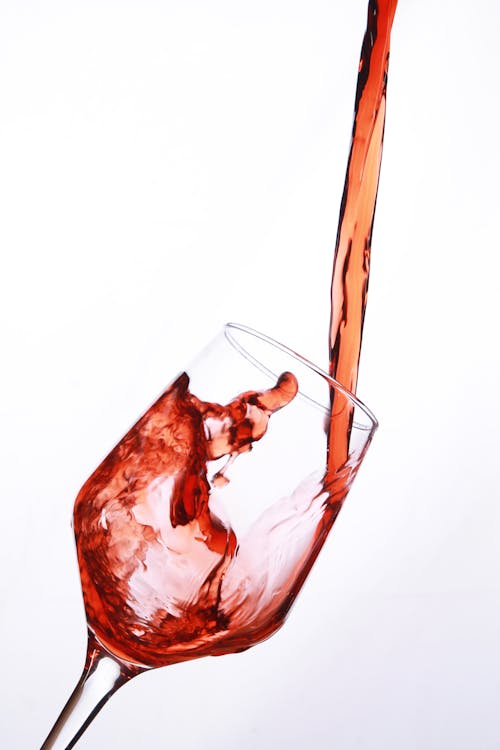
Before you buy, make sure the aerator fits your bottle shape and fits your budget. Handheld models are the most versatile, while electric units offer convenience for frequent users. Consider how much time you want to spend cleaning, as some models have more crevices than others.
-
Check bottle neck size compatibility
-
Decide between pourer or stopper style
-
Consider cleaning ease and frequency
-
Set a budget for your usage level
Pour wine through the wine aerator correctly
Using a wine aerator is simple, but the technique matters. If you pour too quickly, the device can drip or fail to mix the wine with enough air. If you pour too slowly, the wine may oxidize before it hits your glass. The goal is a steady, continuous stream that allows the aerator to do its job.
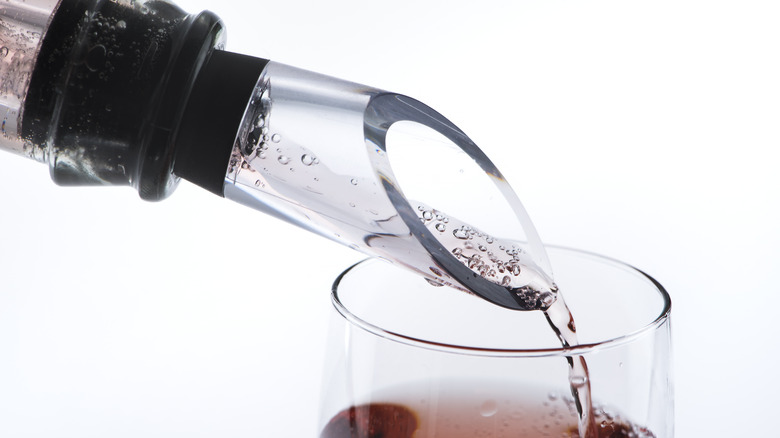
Position the aerator directly over your wine glass. For handheld models, grip the top of the device firmly. For pourer-style aerators that attach to the bottle, ensure the connection is tight and the aerator is pointing straight down into the center of the glass. This alignment prevents splashing and ensures the wine flows through the internal channels correctly.
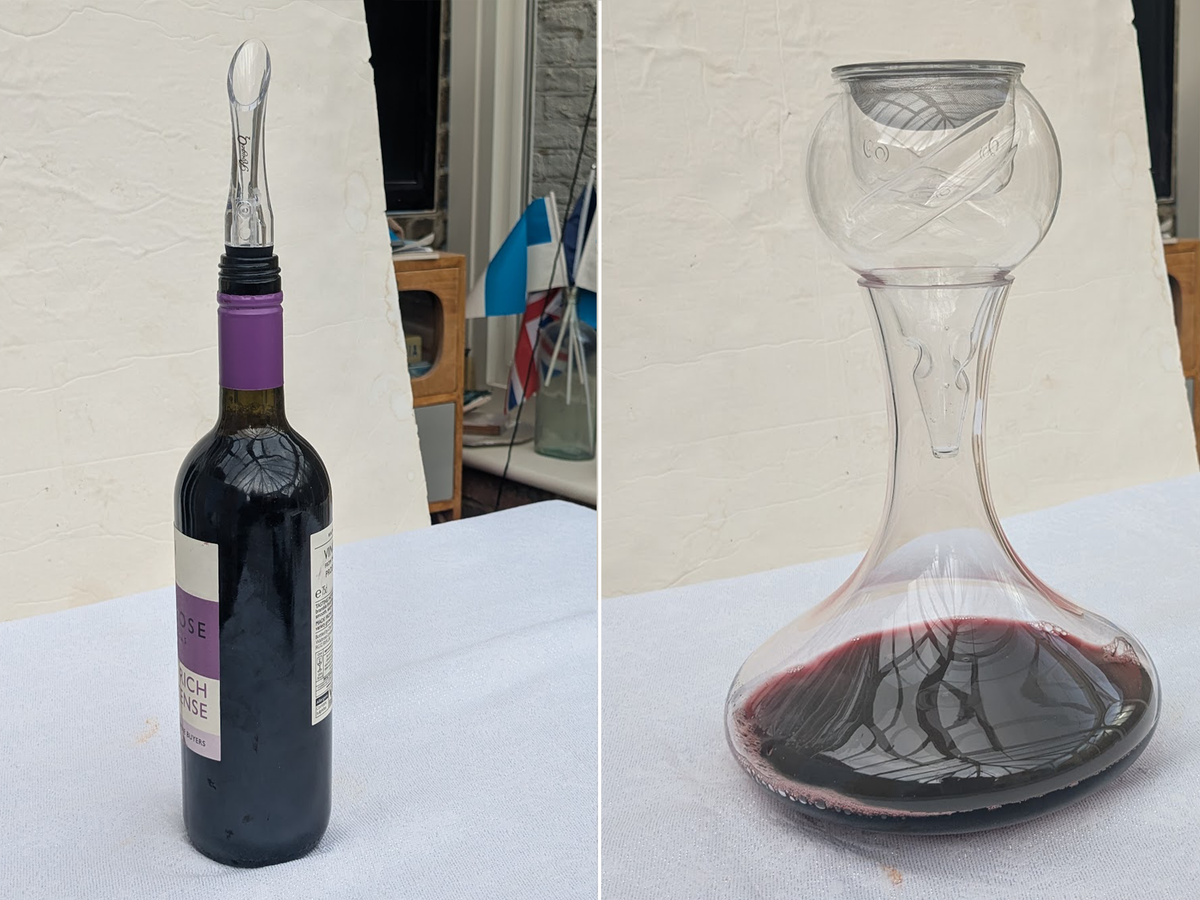
Remove the cork or open the bottle carefully. If you are using a handheld aerator, hold the bottle in your other hand. If you are using a bottle-top pourer, you can open the bottle and attach the aerator before pouring. Take a moment to check that the aerator is clean and dry; residue from previous use can affect the taste of your wine.
Begin pouring the wine through the aerator in a smooth, continuous motion. Avoid starting and stopping abruptly, as this can cause the wine to drip down the side of the aerator or the bottle. A steady stream allows the air to mix evenly with the wine as it passes through the device. Most aerators work best when the pour is neither too fast nor too slow.
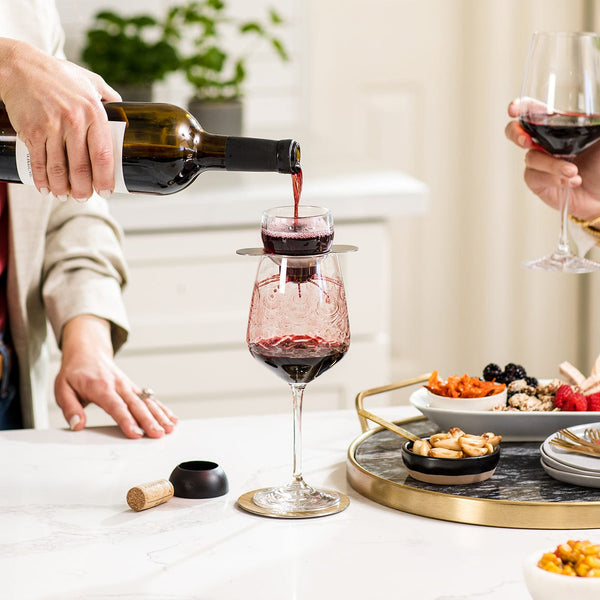
Once the glass is filled to your desired level, lift the bottle or aerator away from the glass to stop the flow. Use a napkin to wipe the rim of the bottle or the aerator if any wine dripped. This keeps your serving neat and prevents sticky residue on the device. If you are using a pourer attached to the bottle, you can now set it aside or store it for cleaning.
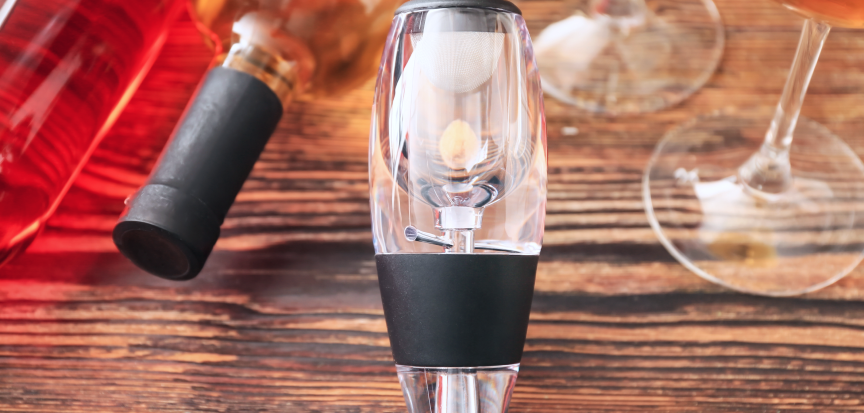
Rinse the aerator with warm water immediately after use. Wine residues can dry and clog the internal channels, which reduces aeration efficiency over time. For a deeper clean, use a mild detergent and a small brush if the design allows. Let it air dry completely before storing to prevent mold or unpleasant odors.
By following these steps, you ensure that your wine aerator performs as intended. The steady pour allows the wine to breathe properly, unlocking flavors and aromas that might otherwise remain hidden. With practice, this process becomes second nature, making every glass a better experience.
Adjust for sweet reds and dry whites
Not all wines benefit from the same amount of oxygen. While a wine aerator works wonders for tannic reds, it can overwhelm delicate or sweet styles. Treating every bottle the same way often leads to flat or overly alcoholic tasting notes.
Sweet reds: pour gently
Sweet reds like Port, Banyuls, or late-harvest Zinfandel have high sugar levels that can mask subtle aromas. Heavy aeration breaks down these sugars too quickly, making the wine taste thin or excessively alcoholic.
Pour sweet reds slowly through your wine aerator, or skip it entirely. Swirling the wine in the glass provides enough oxygen to open up the fruit without stripping the body. If you do use an aerator, use a pourer-style device that allows you to control the flow rate manually.
Dry whites: let them breathe
Dry whites like Chardonnay, Viognier, or aged Riesling often benefit from aeration, but not as aggressively as bold reds. The goal is to release volatile aromatics and soften any sharp acidity.
Pour dry whites through a standard wine aerator at a steady pace. This introduces enough oxygen to lift the floral and citrus notes while keeping the crisp finish intact. Avoid over-aerating light-bodied whites like Pinot Grigio, as they lose their freshness quickly when exposed to too much air.
The balance rule
Think of aeration as a dial, not a switch. Start with less oxygen and taste before adding more. If the wine tastes closed or muted, pour it again. If it tastes watery or hot, you’ve gone too far.
Watch for common pouring mistakes
Even the best wine aerator can underperform if the pouring technique is off. Most issues stem from speed, angle, or timing rather than the device itself. By adjusting how you handle the bottle and aerator, you can avoid foaming, spilling, or over-aerating delicate wines.
Pour too quickly
Rushing the pour forces air into the wine too aggressively, creating excessive foam and froth that dissipates quickly. This often masks the wine’s aromas rather than enhancing them.
Hold the aerator at the wrong angle
Tilting the aerator away from the glass wall causes the wine to splash and spray. Always hold the aerator vertically, allowing the wine to flow down the side of the glass. This gentle cascade ensures proper aeration without waste.
Ignore the wine’s age
Young, tannic wines benefit from aggressive aeration, but older vintages can turn sour or lose their structure if exposed to too much oxygen too quickly. If you are using a wine aerator on a bottle older than ten years, pour it directly into the glass or use a decanter for better control.
Frequently asked questions about wine aerators
Does a wine aerator really work?
Yes. A wine aerator exposes the wine to air as you pour, rapidly increasing oxygen exposure. This process releases flavor and aroma complexities faster and more efficiently than simply swirling the wine in a glass.
What is the best wine aerator on the market?
The Vinturi Wine Aerator is widely considered the best overall choice for its consistent performance. For budget-conscious buyers, the TenTen Labs Wine Aerator Pourer offers reliable aeration at a lower price point.
What is the easiest way to aerate wine?
Swirling the wine in your glass is the simplest method. This motion increases the wine's surface area, allowing more oxygen to mix in and enhancing aroma and taste without any extra tools.
No comments yet. Be the first to share your thoughts!