

When the cork won't budge
There’s nothing quite like anticipating a glass of wine after a long day. Then, you encounter the struggle – a cork that refuses to yield. It’s frustrating, but surprisingly common. Corks can become dry and brittle with age, or sometimes a wine is just bottled with a particularly tight seal. Don’t feel bad if you find yourself in this position; it happens to the best of us.
Instead of resigning yourself to a corked defeat, being prepared with a few alternative methods is a smart move. This isn’t about desperation, it’s about resourcefulness. We’ve all been there, and having a backup plan can save the evening. These aren’t just random internet myths either – we’re focusing on techniques that people have actually had success with, even if they’re a little unconventional.
Content is being updated. Check back soon.
The shoe method
The shoe method is perhaps the most well-known emergency wine opening technique, and for good reason. It often works! The idea is to use the cushioning of the shoe to gently push the cork out. You'll need a shoe with a flat sole – a dress shoe or sneaker works best. Avoid anything with a heavily textured or overly flexible sole.
Here's how it works: Place the base of the wine bottle inside the shoe, ensuring the bottle is snug. Hold the bottle and shoe together firmly, then repeatedly and gently bang the shoe against a solid wall. The impact, combined with the cushioning, will gradually push the cork out. Be patient; this can take a few tries. Don't go wild with the banging – you don’t want to shatter the bottle.
However, there are downsides. A dirty shoe could potentially contaminate the wine, and there’s always a risk of breaking the bottle if you’re too forceful. I’ve seen this work surprisingly well, especially with older wines, but it’s definitely not the most elegant solution. If you’re concerned about contamination, wrap the bottle neck in plastic wrap before inserting it into the shoe.
Screw and pliers
If you have a long screw and a pair of sturdy pliers, you have a potential wine-opening tool. This method relies on creating a new grip point in the cork. The longer the screw, the better your chances of success. A wood screw generally works better than a drywall screw, as it’s designed to grip more effectively.
Carefully screw the screw into the center of the cork, leaving about an inch or so exposed. Then, using the pliers, grip the screw firmly and gently pull upwards. Slow and steady is the key here. Avoid jerking motions, as this can easily break the cork or even damage the bottle neck.
This method requires a bit of muscle and caution. I’m not sure I’d trust this with an expensive or aged bottle – the risk of damaging the bottle or leaving cork fragments in the wine is higher. It's best reserved for situations where other methods have failed and the wine isn't particularly valuable.
Push the cork in
Sometimes, the simplest solution is the most direct – just push the cork into the bottle. It’s not ideal, but it gets the job done in a pinch. This method is best suited for wines you plan to drink immediately, as the cork will be submerged in the wine.
The downside is that pushing the cork in introduces cork sediment into the wine, which can alter its flavor and texture. It’s more acceptable for less delicate wines – a robust red, for example – than a crisp white. This is truly a "when all else fails’ option, and one I’d avoid if possible. Consider straining the wine through a cheesecloth if you"re concerned about the sediment.
Key or knife
A key or a serrated knife can be used to carefully work around the cork, attempting to gently coax it out. This method requires patience and a very delicate touch. A serrated knife is generally preferred, as the teeth can grip the cork more effectively, but a sturdy key can also work.
Insert the key or knife into the cork at an angle, then gently twist and pull. Work your way around the cork, gradually loosening it. The goal is to create enough space to grip the cork and pull it out without breaking it. Avoid forcing it – slow, controlled movements are crucial. This is a delicate operation, and I always feel a little nervous doing it.
The risk here is breaking the cork, leaving fragments in the wine, or worse, breaking the bottle neck. If you feel significant resistance, stop and try another method. This approach is more likely to succeed with a cork that's already partially loosened.
- Insert the key/knife at an angle.
- Gently twist and pull.
- Work your way around the cork.
- Avoid excessive force.
Heat the bottle neck
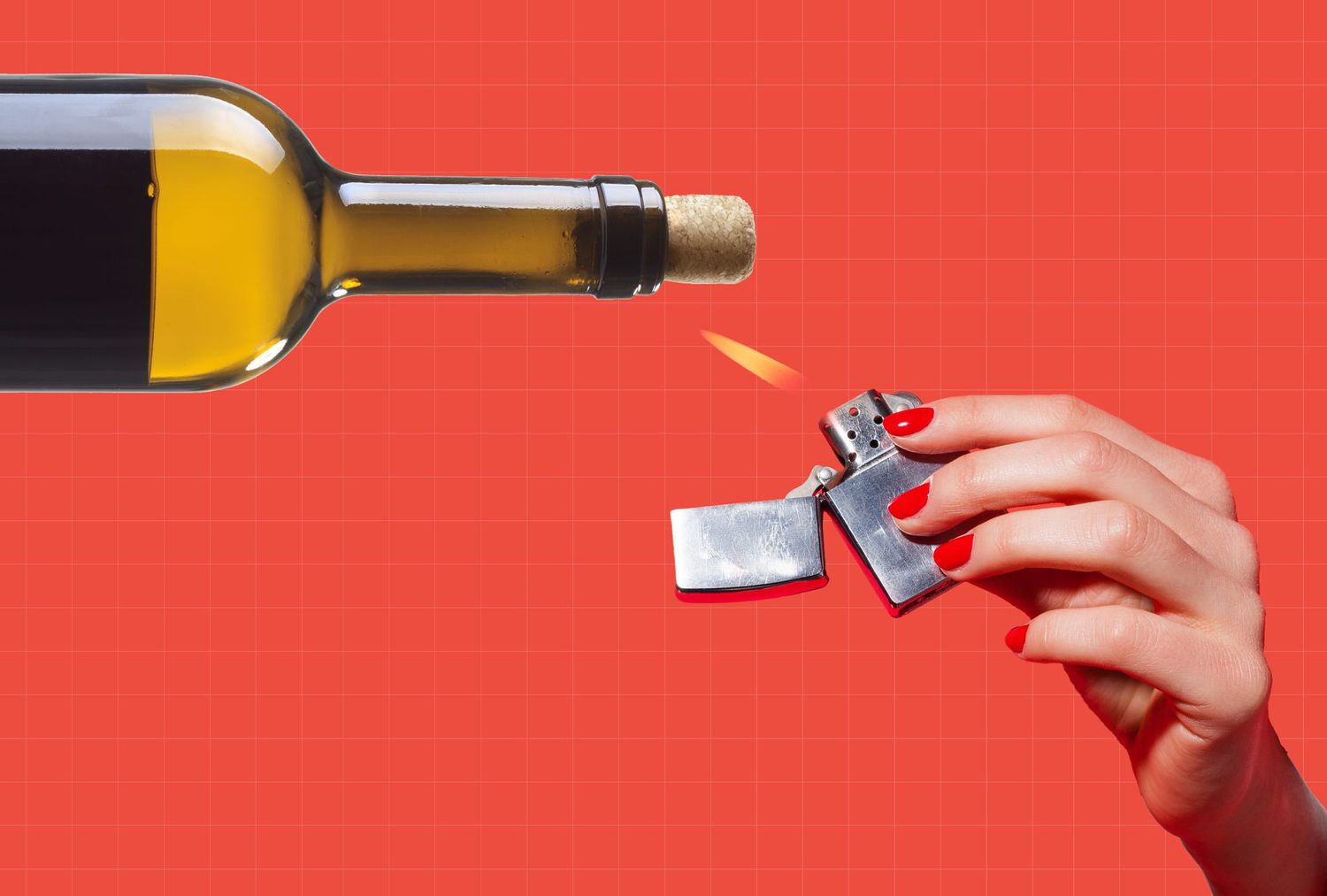
This method involves using heat to expand the air around the cork, theoretically making it easier to push out. You can use a hairdryer or, with extreme caution, a lighter. The idea is to gently warm the neck of the bottle around the cork, not to scorch it.
If using a hairdryer, direct the warm air around the neck of the bottle for a minute or two. Then, try to gently push the cork out with your thumb. If using a lighter, be extremely careful – apply heat briefly and evenly, and avoid prolonged exposure. This one feels a bit risky to me, and I’d only try it as a last resort.
The dangers are obvious: potential for bottle breakage due to thermal shock, and the risk of burns. It’s also not always effective, and can potentially alter the wine's flavor if overheated. I wouldn't recommend this method unless you're truly desperate and understand the risks.
Bike pump method
Believe it or not, a bike pump with a needle attachment can be used to open a wine bottle. This method involves inserting the needle through the cork and gently pumping air into the bottle, increasing the pressure and pushing the cork out. It sounds strange, but it can actually work quite well.
Ensure the needle is clean before inserting it into the cork. Slowly and carefully insert the needle through the center of the cork, then attach the bike pump and begin pumping. Apply gentle, consistent pressure – avoid over-pumping, as this could cause the bottle to explode. This is a surprisingly effective method, but requires having a bike pump handy.
It's a bit of a niche solution, honestly. It’s not something everyone will have access to, and it does require a steady hand and a bit of caution. But if you’re a cyclist and find yourself without a corkscrew, it’s worth a try.
- Use a clean needle.
- Insert needle carefully into the cork.
- Pump gently and consistently.
- Avoid over-pumping.
Glass stoppers
Glass stoppers are becoming increasingly popular, offering a sleek and modern alternative to traditional corks. However, none of the methods described above will work on a glass stopper. Trying to force a screw, knife, or key into a glass stopper will likely result in breakage.
Removing a glass stopper typically requires a gentle twisting motion, or a specialized tool designed for the purpose. Some glass stoppers have a small tab or lip that allows for easier gripping. Given the limited research on glass stoppers and their removal, advice is harder to come by. If you're struggling with a glass stopper, it's best to consult the wine producer's website or contact them directly for guidance.



No comments yet. Be the first to share your thoughts!