

Why aerate wine instantly
A wine aerator forces oxygen into your glass the moment you pour, delivering the same smoothing effect that usually requires waiting. Instead of opening a bottle and hoping it improves over the next hour, this tool accelerates the chemical reaction between the wine and air. You get a smoother, more aromatic pour without the wait.
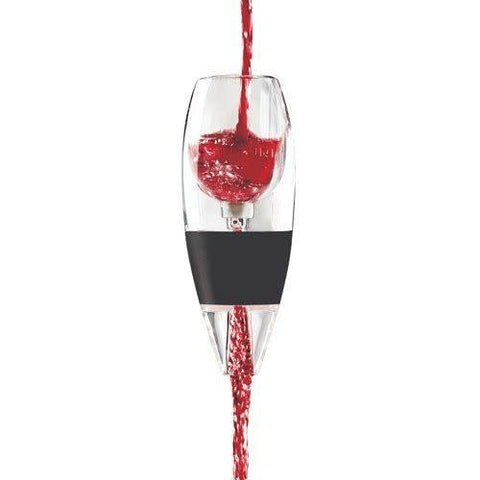
The mechanism relies on a venturi tube or similar internal structure. As wine flows through, it mixes rapidly with atmospheric oxygen. This quick exposure helps volatile compounds evaporate, which reduces harsh tannins and brings out hidden fruit notes. It is essentially a shortcut to the "breathing" process.
Natural breathing in a bottle or even a standard decanter is a slow process. It can take 20 to 45 minutes for the wine to open up properly. A wine aerator cuts this time down to the few seconds it takes to pour a glass. This is particularly useful for younger red wines that typically need more time to soften, or for when you want to enjoy a glass immediately without planning ahead.
Choosing the right wine aerator
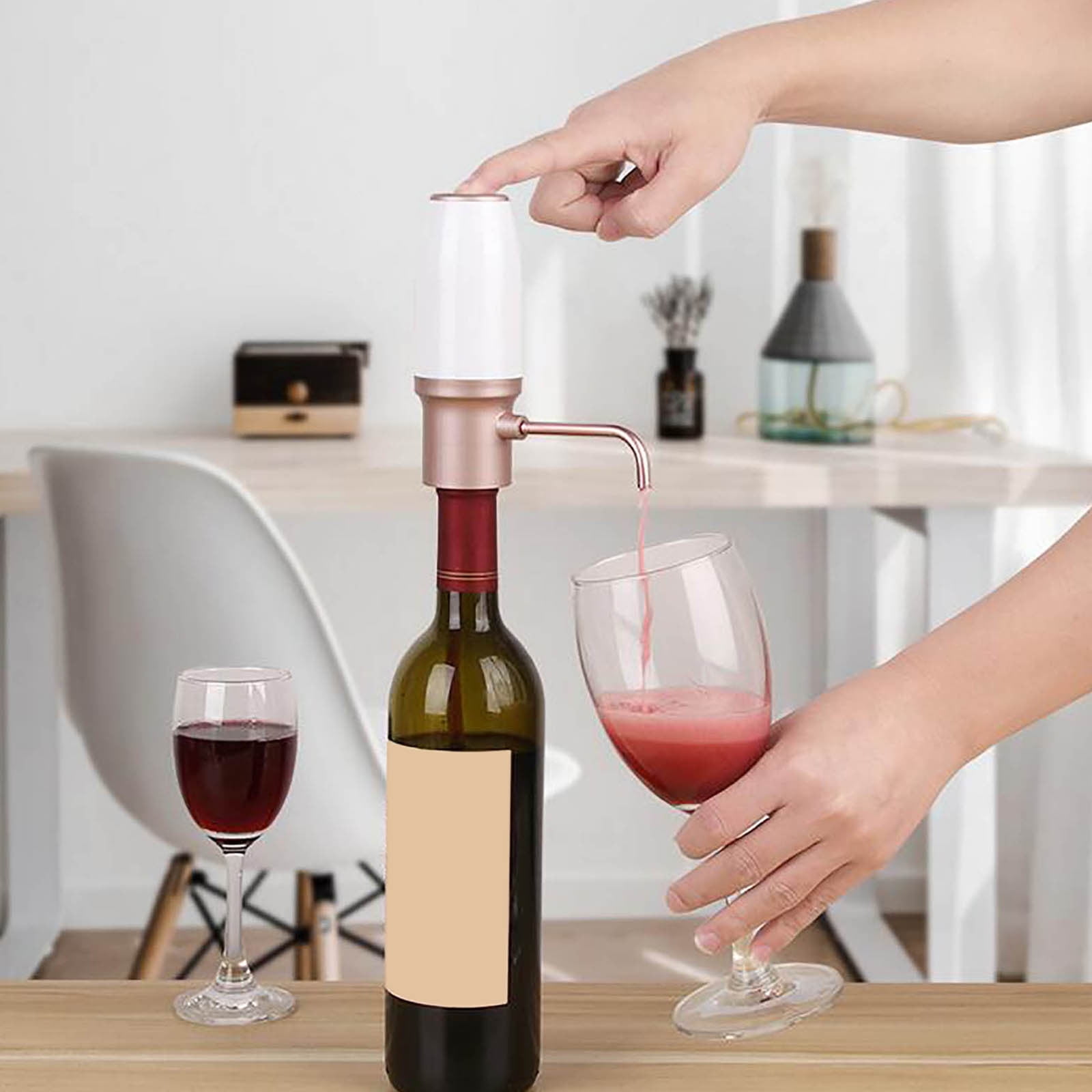
Selecting a wine aerator depends on how much wine you pour and how much effort you want to invest. The three main types—handheld, pour-over, and stand-based—serve different rhythms. A handheld unit is for quick, single-glass pours. A pour-over sits on the bottle neck for full bottles. A stand-based aerator offers hands-free convenience, often paired with a decanter.
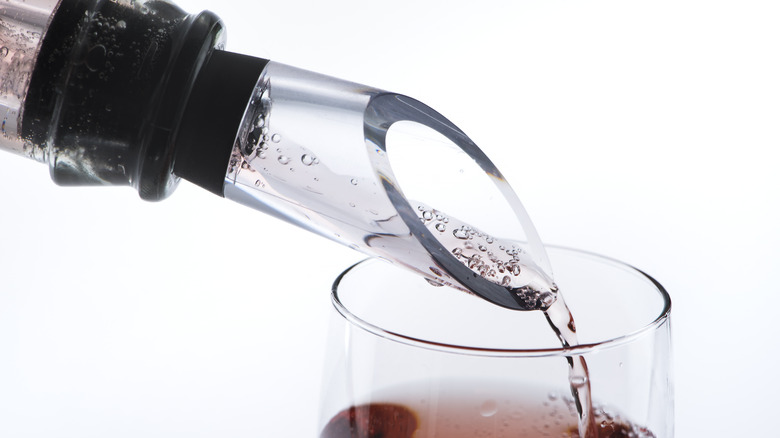
Handheld aerators
These small devices sit directly over your glass. You pour the wine through the aerator, which introduces air immediately before it hits your palate. This method is ideal for spontaneous sipping or when you are serving a single glass and do not want to commit a whole bottle to a larger setup. They are compact, inexpensive, and easy to store. The trade-off is that you must hold the device steady while pouring, which can be awkward if your hand shakes or if the bottle is heavy.
Pour-over aerators
A pour-over aerator clips onto the neck of the wine bottle. As you tilt the bottle, wine flows through the internal chambers and into the glass or decanter below. This type is best for full bottles where you want every glass to benefit from aeration without manual effort. It is a simple, hands-free solution that works well for dinner parties. However, because it attaches to the bottle, you must ensure it fits tightly to prevent leaks, and it adds bulk to the neck of the bottle.
Stand-based aerators
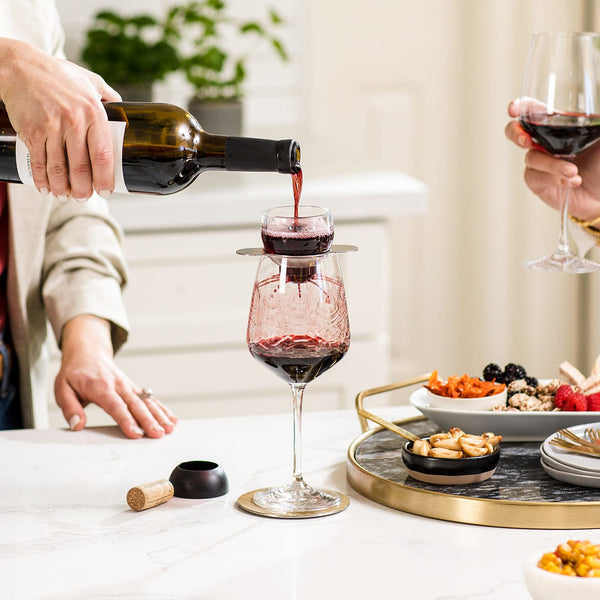
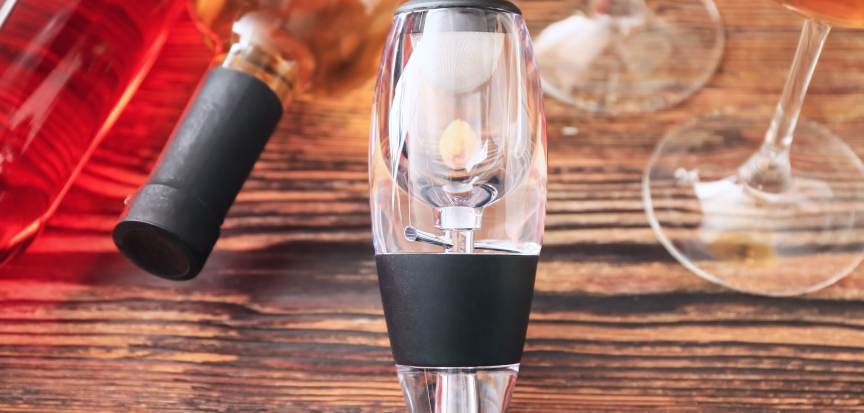
Stand-based aerators are larger units that often include a base or a dedicated decanter. You pour wine from the bottle into the aerator, which then flows into the glass or decanter below. This method is designed for those who prefer a more ritualistic approach or who want to aerate multiple glasses at once. It is particularly useful for red wines that benefit from longer exposure to air. The downside is that these units take up counter space and are generally more expensive than handheld or pour-over options.
| Type | Price Range | Ease of Cleaning | Best Use Case |
|---|---|---|---|
| Handheld | $10–$30 | Easy | Single glass, on-the-go |
| Pour-over | $15–$40 | Moderate | Full bottle, dinner parties |
| Stand-based | $30–$100+ | Moderate to Hard | Multiple glasses, decanting |
Step-by-step pouring guide
Use a Wine Aerator for Better Flavor works best as a sequence, not a scramble through settings. Do the minimum first: confirm compatibility, connect the core hardware, update only when needed, and test the result before adding optional features. That order keeps the task understandable and makes failures easier to isolate. After each step, pause long enough for the interface to finish syncing. Many setup problems are timing problems disguised as configuration problems. If the same step fails twice, record the exact error, restart the smallest affected piece, and retry before moving deeper.
Clean and store your wine aerator properly
A wine aerator is a small device with tiny passages, and those passages trap sediment and wine residue if you don’t clean it right away. Letting wine dry inside the chamber turns into a sticky film that blocks airflow, ruining the aeration effect for your next pour. Treat cleaning as part of the ritual, not an afterthought.
Immediate rinse
Rinse the aerator under warm running water immediately after use. Do not let it sit with wine inside. Warm water loosens the tannins and pigments before they harden. For stubborn residue, add a drop of mild dish soap to the water. Avoid abrasive scrubbers that might scratch the interior surfaces.
Check the sediment screen
Many modern wine aerators include a small mesh screen to catch sediment from older bottles. This screen is the most likely place for clogs to form. Remove it if your model allows. Soak it in warm water with a little vinegar to dissolve mineral deposits. Use a soft brush to gently clear any trapped particles. Reinstall only when it is completely clear and dry.
Dry thoroughly
Moisture left inside the aerator can lead to mold or unpleasant odors over time. Shake out excess water, then pat the exterior with a clean towel. Leave the unit disassembled in a well-ventilated area until every part is bone dry. Store it in a clean, dry place away from direct sunlight.
Common pouring mistakes to avoid
Even the best wine aerator cannot fix a sloppy pour. The device only exposes wine to air; it does not control flow rate or angle. Pouring too quickly or tilting the bottle incorrectly creates turbulence that defeats the aeration process, leading to oxidation or spills.
Pouring too fast
Speed is the enemy of aeration. When you pour wine rapidly, the liquid forms a thick, chaotic stream that traps air bubbles rather than spreading them evenly. This turbulence causes the wine to splash against the sides of the glass or the aerator body, releasing volatile aromas too quickly before you can enjoy them.
Aim for a steady, controlled stream. Think of it like pouring beer: you want a smooth ribbon of liquid, not a crashing waterfall. If you feel the need to rush, pause and let the aerator do its work. A slower pour allows the wine to mix with air gradually, softening tannins and opening up the flavor profile without losing its structure.
Incorrect bottle angle
Holding the bottle at a steep angle, or worse, upright, restricts the flow of wine through the aerator. Most pour-through aerators require the bottle to be tilted at approximately a 45-degree angle to allow air to enter the back of the device while wine flows out the front. If the angle is too flat, the aerator will glug and spit. If it is too steep, the wine may bypass the aeration chamber entirely, pouring straight into the glass as if you had never used the device.
Letting the bottle drip
The final splash is often the most overlooked mistake. When you finish pouring, lift the bottle away from the glass while still tilted. This action creates a vacuum that pulls the last drops back into the bottle or causes them to drip down the side, staining your glass and table.
To prevent this, twist the bottle slightly as you lift it away. This "twist-off" motion breaks the surface tension of the wine, ensuring a clean break. It is a small movement, but it keeps your wine clear and your aerator ready for the next pour.
No comments yet. Be the first to share your thoughts!