

Wine aerator budget
The price of a wine aerator often signals its build quality and how it handles the pour, but it rarely dictates the final taste of the wine. You do not need to spend more than $20 to get a functional device that opens up a bottle of everyday red. The tradeoff in higher-priced models usually comes down to durability, ease of cleaning, and aesthetic design rather than a magical improvement in flavor profile.
Under $20: The Functional Entry
At the lowest price point, you will find simple pour-over spouts made of plastic or basic stainless steel. These devices rely on a fixed internal structure to splash wine against air as it exits the bottle. They are effective at softening tannins in young, bold reds like Cabernet Sauvignon or Merlot. The main drawback is often the cleaning process; residue can get trapped in the small internal channels, requiring a brush or dishwasher to keep sanitary. For a beginner buying their first aerator to try with casual dinners, this range offers the best value without risk.
$20 to $50: The Balanced Choice
Moving into this bracket, you typically find devices with better materials, such as borosilicate glass or higher-grade stainless steel. These models often feature wider flow channels that reduce the chance of clogging and make hand-washing significantly easier. Some brands in this range also include a drip-free spout design, which prevents messy wine trails on the bottle neck. This is the sweet spot for most home enthusiasts who want a device that looks good on the table and lasts for years. The improvement in wine quality remains consistent with cheaper models, but the user experience is noticeably smoother.
Over $50: Premium Features
High-end aerators often include electric pumps, battery-operated pourers, or complex multi-stage aeration systems. While these can be convenient for entertaining large groups, the marginal gain in wine quality is rarely worth the premium price for the average drinker. A $100 electric aerator does not make a $10 bottle of wine taste like a $100 bottle. Save your money for better wine instead. If you buy an expensive model, ensure you actually use it frequently; a high-tech device sitting in a cupboard serves no purpose.
How to select a wine aerator
- Check the material: Glass and stainless steel are easier to clean and do not retain odors like some plastics.
- Consider the wine: If you mostly drink light reds or whites, a simple pour-over might be too aggressive. Look for models with adjustable flow if available.
- Verify cleaning needs: Ensure the device is dishwasher safe or easy to rinse thoroughly to prevent mold buildup.


As an Amazon Associate, we may earn from qualifying purchases.
Shortlist real options
The market is crowded, but only a few wine aerators consistently deliver on the promise of smoother, more aromatic pours without requiring a decanter or a wait. We have narrowed the field to three distinct approaches: the traditional pour-through, the modern electric pour, and the precision pourer that doubles as a preservation tool.
Each option serves a different pouring style and budget. The table below compares their core mechanics and best-use cases to help you pick the right tool for your next bottle.
Pour-through vs. electric
Traditional aerators like the Vinturi rely on gravity and venturi effects to mix air with wine as you pour. They are simple, durable, and require no batteries, making them ideal for casual weeknight wines or when you want zero maintenance. However, they can sometimes aerate too aggressively, stripping delicate notes from lighter reds.
Electric aerators like the Aervana Original offer a different experience. By integrating aeration into a wine tap, they allow you to pour neatly without lifting the bottle. This is particularly useful for those with limited mobility or for parties where consistent pouring speed matters. The trade-off is the need for charging and a more complex mechanism to clean.
Precision pouring for texture
The Coravin Timeless Aerator sits in a unique category. It attaches to the bottle neck and uses a controlled flow to aerate wine with extreme precision. This method yields a silky, smooth texture that mimics long decanting (60-90 minutes) in seconds. It is best for enthusiasts who want to control the exact exposure of their wine to oxygen, though it requires a slightly more deliberate pouring technique.
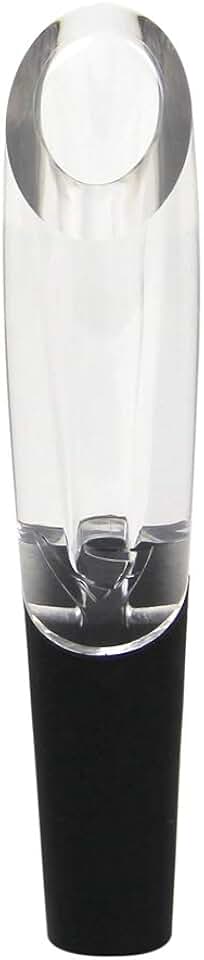
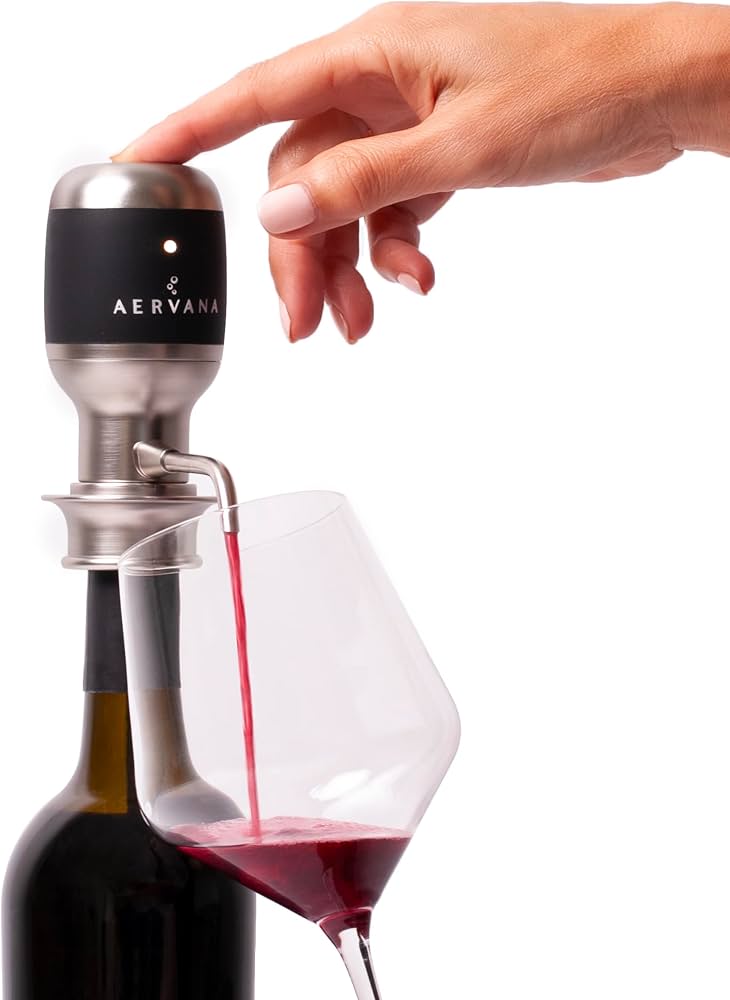

As an Amazon Associate, we may earn from qualifying purchases.
Inspect the expensive parts
Wine aerators range from cheap plastic funnels to $100+ electronic dispensers. When a high-end aerator fails, it usually isn’t the motor that breaks first—it’s the parts that touch the wine. A cracked seal or a clogged intake can ruin a bottle and create a mess. Before you trust your expensive tool, run through this practical checklist to ensure it’s built to last.

Look closely at the rubber or silicone seals where the wine flows. Cheap aerators use thin, brittle rubber that cracks after a few washes. Premium models use food-grade silicone that stays flexible. If the seal looks thin or discolored, skip it. A failing gasket lets air bypass the chamber, leaving your wine flat.
The small metal or plastic mesh at the bottom catches sediment. On expensive models, this should be stainless steel or fine, durable plastic. If it’s flimsy wire, it can bend and let large chunks through, or rust over time. Check that the mesh is tightly secured and easy to rinse. A clogged mesh slows the pour and creates uneven aeration.
Run your finger along the spout’s edge. It should be smooth and free of sharp plastic seams. Cheap aerators often have rough edges that drip wine down the side of the bottle, creating a sticky mess. A well-designed spout directs flow cleanly. If the pour feels erratic or drips, the internal channels are likely poorly molded.

Hold the aerator. Does it feel balanced? Cheap handles are often too light or slippery when wet. A good aerator has a textured, non-slip grip that stays secure even with a full bottle of red. If the handle feels like it might twist in your hand, the internal components are likely not anchored well, leading to leaks.
By focusing on these contact points, you avoid the most common failure modes. A solid gasket, clean mesh, and smooth spout are the difference between a tool that lasts years and one that ruins your wine night.
Ownership costs and hidden maintenance
A wine aerator is an inexpensive tool on paper, but the real cost often hides in the upkeep. A $20 manual pourer might seem like a steal, yet it requires immediate, thorough cleaning after every use to prevent wine residue from turning into stubborn, oxidized stains inside narrow tubes. If you let it sit, the next pour tastes like old fruit, and scrubbing becomes a chore that discourages use.
Automatic aerators introduce a different expense: batteries. Models like the Aervana Luxury One-Touch rely on power to drive the internal pump, meaning you must budget for replacement batteries or keep charging cables nearby. When the battery dies mid-pour, the device stops aerating entirely, turning into just another heavy glass decanter that offers no speed advantage over a standard bottle.
Durability also varies. Cheap plastic components in budget models can crack under the pressure of rapid pouring or warp in the dishwasher. Investing in a slightly higher-quality unit with dishwasher-safe, BPA-free parts often pays for itself by lasting several seasons without leaking or breaking. The goal is to find a balance where the convenience outweighs the maintenance, not where the initial price tag is the only factor considered.


As an Amazon Associate, we may earn from qualifying purchases.
Wine aerator: what to check next
Before you add another gadget to your countertop, it helps to understand what these tools actually do and whether they fit your routine. Here are the most common practical questions about using a wine aerator.
No comments yet. Be the first to share your thoughts!