

What a wine aerator does
A wine aerator is a simple tool that speeds up the breathing process, mimicking 60–90 minutes of decanting in seconds. As you pour wine through the device, it forces the liquid to mix with air, expanding its surface area. This rapid exposure to oxygen helps release the wine’s aromatic compounds and softens harsh tannins, resulting in a smoother, more expressive glass.
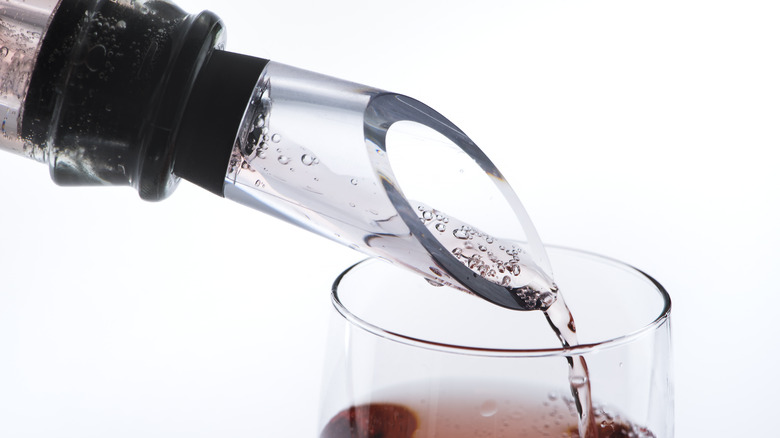
This mechanism matters most for specific wine types. Young, bold reds often benefit significantly from aeration, as the added oxygen helps open up flavors like blackberry, cherry, and tobacco notes that might otherwise feel closed off. Conversely, delicate wines like dry whites or older vintages usually require less intervention. Using an aerator on these lighter wines can sometimes strip away their subtle nuances, so it is best reserved for robust reds that need a little help to reach their full potential.
Pick the right wine aerator style
Choosing a wine aerator depends on how you drink and how much time you want to spend preparing your glass. The three main styles—pour-through, handheld, and stopper—serve different needs. A pour-through aerator is the standard choice for most households, while handheld and stopper styles offer portability or specialized use cases.

Compare aerator styles
The table below breaks down the main differences between the three common wine aerator types. This helps you decide which format fits your routine.
| Style | Speed | Ease of Cleaning | Best Wine Type |
|---|---|---|---|
| Pour-through | Fast | Moderate (rinse immediately) | Sweet reds, dry whites |
| Handheld | Moderate | Easy (small parts) | Dry reds, quick pours |
| Stopper | Slow (decants in bottle) | Easy (wipe or rinse) | Young tannic reds, saving leftovers |
Pour-through aerators
Pour-through aerators are the most common type. You place the device over your glass or decanter and pour the wine through it. The wine mixes with air as it flows through the internal channels. This method is fast and requires no batteries. It works well for most reds and whites. Rinse it immediately after use to prevent residue buildup.
Handheld aerators
Handheld aerators are smaller and often look like a wine pourer. They are easy to store and take anywhere. Because they are compact, they are less likely to tip over on a table. They are ideal for dry reds that need a quick breath before drinking. They are also great for travel or outdoor gatherings where space is limited.
Stopper-style aerators
Stopper-style aerators fit directly into the bottle neck. They aerate the wine as you pour, but they also seal the bottle for later. This is useful if you only drink one glass and want to save the rest. The aeration is slower than a pour-through, but it is convenient for leftovers. It is a good choice for young, tannic reds that benefit from extended exposure.
Pour through the wine aerator correctly
The difference between a good pour and a great one comes down to speed and angle. A wine aerator works by forcing wine through a narrow channel that mixes it with air. If you pour too slowly, the wine spends too much time in the glass and can start to oxidize before you take a sip. If you pour too fast, you risk splashing and creating unwanted foam.
The goal is a steady, continuous stream. Hold the bottle at a slight angle—about 45 degrees—and pour the wine into the center of the aerator’s opening. You want the wine to hit the internal mixing chamber fully, not just trickle down the side. For sweet red wines, a slightly slower pour helps maintain structure, while dry white wines benefit from a brisker flow to preserve their crisp acidity.
Watch the stream as it exits the aerator. It should be a single, smooth ribbon of liquid, not a spray or a splatter. If you see droplets flying or the wine bubbling excessively, you are pouring too aggressively. Pause, steady your hand, and resume a consistent pace. This technique ensures that every drop gets the right amount of oxygen exposure to open up the aromas without turning the wine flat.
Avoid common pouring mistakes with your wine aerator
Even the best wine aerator cannot fix poor technique. Many users treat these devices like standard pourers, but the internal mechanism requires specific handling to work. If you rush the process or neglect maintenance, you skip the aeration entirely. You are left with the same flat, closed-off flavors you were trying to improve.
The most frequent error is pouring too quickly. The aerator relies on a controlled flow to pull air through its vents. If you tilt the bottle too far, the wine bypasses the aeration chamber and flows straight into the glass. This negates the oxygenation process.
Pour slowly and steadily. Let gravity do the work. You should see a consistent, thin stream entering the device. If the wine splashes or sprays, you are pouring too fast. Slow down until the flow is smooth. This gives the air enough time to mix with the liquid, softening tannins in sweet red wines and opening up aromas in dry white wines.
Cleaning is the second major mistake. Wine residue builds up in the small internal channels within minutes. If you rinse the device with water only, the sticky sugars and acids remain. This buildup blocks airflow and taints future pours with stale flavors.
Disassemble the aerator after every use. Rinse all parts with warm water and a drop of mild dish soap. Use a small brush to scrub the interior vents where residue hides. Let everything air dry completely before storing. A clean aerator ensures every glass tastes fresh and vibrant.
Clean and store your wine aerator
Keeping your wine aerator clean is the only way to guarantee that the next glass tastes exactly as it should. Leftover sediment and dried wine residue can turn a crisp pour into a sour mess, so a quick rinse after every use is non-negotiable. This simple habit ensures that your aerator doesn’t become a source of contamination rather than a tool for enhancement.
The method depends on the type of wine you just enjoyed. For delicate dry white wines, a gentle rinse with warm water is usually sufficient. However, sweet red wines leave behind sticky tannins and sugar that require a bit more attention. Use a soft brush to gently scrub the interior chambers, removing any visible particles. Avoid harsh chemicals or abrasive scrubbers, which can scratch the plastic or glass and create rough surfaces where bacteria thrive.
Once clean, let the device air dry completely before putting it away. Trapped moisture encourages mold growth, which can ruin your next bottle. If your wine aerator came with a stand or a protective case, store it there to keep it dust-free and ready for your next pour. A clean, dry aerator is a reliable one.
Frequently asked questions about wine aerators
Next steps for using your wine aerator
No comments yet. Be the first to share your thoughts!