

Why pour through a wine aerator
A wine aerator turns seconds into the equivalent of hours of traditional decanting. As you pour, the device forces the wine through a chamber that expands its surface area, allowing oxygen to interact with the liquid immediately. This rapid exposure softens harsh tannins and releases volatile aromatic compounds, unlocking the wine's full potential without the wait.
The result is a smoother, more aromatic glass. For young, tannic reds or even certain dry whites, this process brings out flavors like blackberry, cherry, or tobacco notes that define the wine's character. It brings out the best in the bottle right at the table.
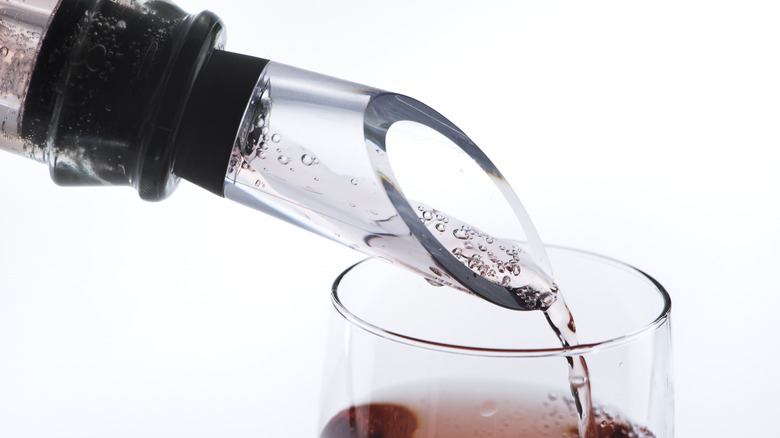
Pick the right wine aerator type
Choosing a wine aerator depends on how you drink, what you drink, and how much effort you want to put in. The right tool opens up the wine's aromas and softens tannins instantly, turning a routine pour into a glass-ready experience.
Handheld aerators
Handheld aerators are small, battery-powered devices that you hold over your glass while pouring. They inject air directly into the stream as it hits the wine. This method is ideal for quick, single-glass servings when you are drinking alone or don't want to deal with extra equipment. They are portable and easy to store, making them perfect for travel or casual weeknight sipping.
Pour-over aerators
Pour-over aerators sit on top of a glass or decanter, acting like a funnel. As you pour the wine through the device, it forces the liquid through internal vents that mix it with air before it lands in your glass. This style delivers the most aggressive aeration, making it the best choice for bold, young reds like Cabernet Sauvignon or Syrah that need significant oxygen to open up. It is also the most common type for entertaining, as it speeds up the process for multiple glasses.
Stopper-style aerators
Stopper-style aerators look like standard corks but have tiny vents or tubes that allow air to enter the bottle when the cork is inserted. This method provides a slower, more gradual aeration process. It is best suited for wines that are already quite mature or delicate, where aggressive aeration might flatten the flavor profile. It allows you to aerate the entire bottle over time, keeping the rest of the wine fresh for later sips.
| Type | Mechanism | Best For | Price Range |
|---|---|---|---|
| Handheld | Battery-powered injection | Single servings, travel | $20-$50 |
| Pour-over | Gravity-fed venting | Bold reds, entertaining | $15-$40 |
| Stopper | Passive bottle venting | Mature wines, leftovers | $10-$25 |

Pour wine through the aerator correctly
Using a wine aerator is less about speed and more about control. The goal is to expose the liquid to oxygen evenly, softening tannins and unlocking aromas without splashing or creating a mess. A steady hand ensures the wine travels through the internal channels properly, delivering that smoother finish you’re looking for.
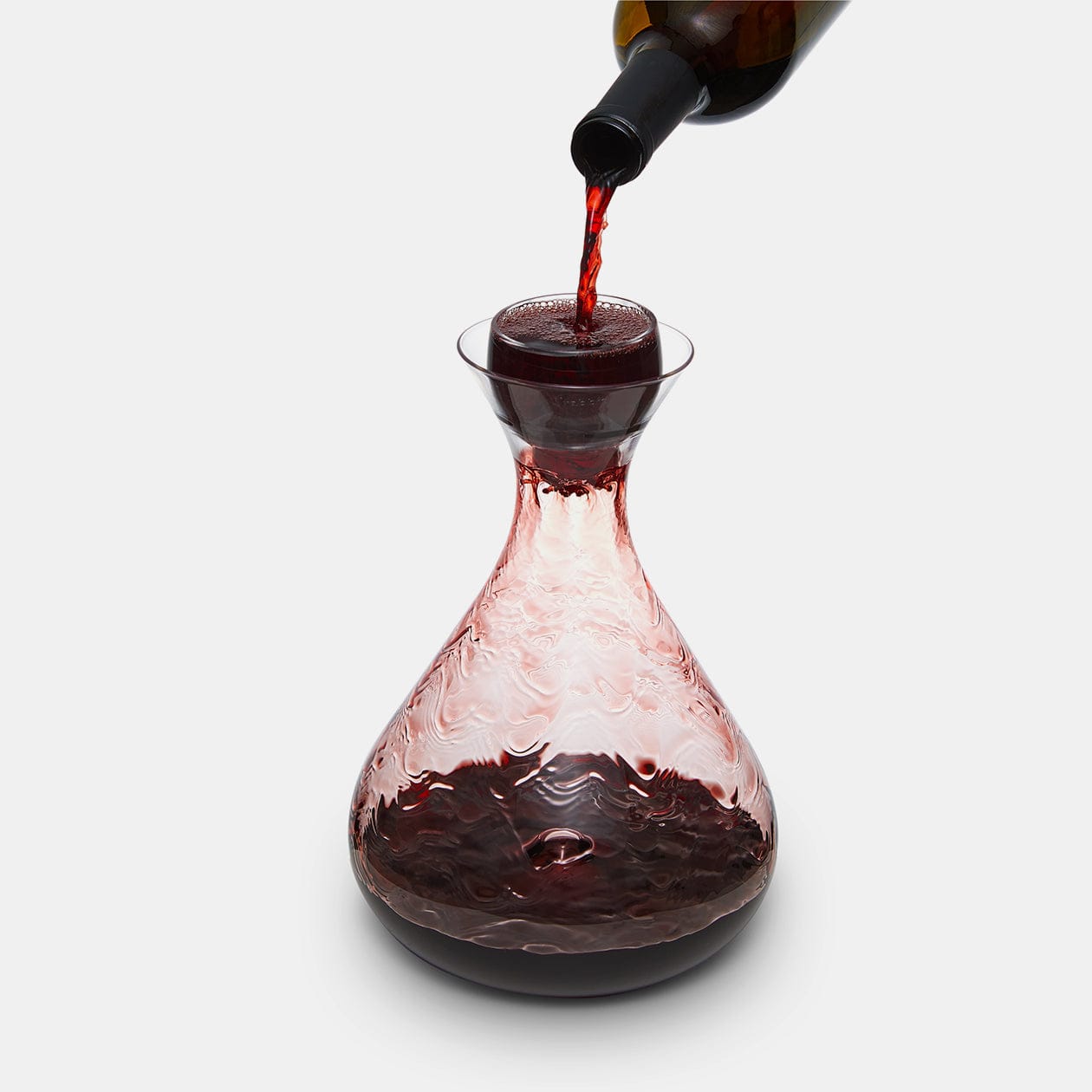
Hold the aerator firmly by its base or handle, depending on the design. Place it directly over your wine glass or decanter. Make sure it is centered so the wine flows straight down the middle channel. If the device is loose or tilted, the wine may spill or bypass the aeration chambers entirely.
Tilt the bottle slowly and begin pouring. Avoid rushing the process. A consistent flow rate allows the wine to mix with the air inside the aerator’s internal structure. Pouring too quickly can cause turbulence and splashing, while pouring too slowly might not generate enough oxygen contact for optimal results.
Observe the wine as it exits the bottom of the aerator. It should come out as a smooth, unified stream rather than a spray or drip. Once you’ve poured the desired amount, lift the bottle slightly and twist it back to a vertical position to stop the flow cleanly. This prevents drips from running down the side of the bottle or aerator.
The difference in flavor is immediate. As you pour, the wine’s surface area expands within the device, allowing oxygen to interact with the liquid more effectively than simple decanting. This process brings out intense aromas and flavors, making notes like blackberry, cherry, or tobacco more pronounced in the glass. For best results, practice this steady pour a few times to find the rhythm that works best for your specific bottle and aerator model.
Clean and store your wine aerator
A dirty wine aerator turns good wine into a sour, musty mess. Residue from previous pours creates a breeding ground for mold and bacteria, which ruins the flavor of your next glass. Treating your tool like a delicate piece of glassware ensures every pour tastes as fresh as the first.
Rinse and dry immediately
Treat your wine aerator like a high-end wine glass: rinse it right after you finish pouring. Cold water works best to remove tannins before they dry and stick to the plastic or glass. If you notice a film or cloudiness, use a drop of mild dish soap and a soft sponge. Avoid abrasive scrubbers that can scratch the interior channels, making future cleaning even harder.
Hold the aerator under cool running water immediately after use. Let the water flow through the internal channels to wash away loose wine residue. Do not use hot water, as thermal shock can crack glass models or warp plastic ones.
If the aerator looks cloudy or smells stale, fill a bowl with warm water and a few drops of gentle dish soap. Submerge the device and let it soak for ten minutes. Use a soft brush or sponge to gently clean the interior passages, ensuring no sediment remains trapped in the corners.
Shake out excess water and place the aerator on a clean towel or drying rack. Allow it to air dry completely in a well-ventilated area. Moisture left inside the device is the primary cause of mold growth, so ensure every crevice is bone-dry before putting it away.
Store in a dry, safe place
Once your wine aerator is completely dry, store it in a clean, dry cabinet or drawer. Avoid storing it in humid areas like under the sink or near the dishwasher, as moisture in the air can encourage mildew. If your aerator has a cap or cover, make sure it is securely attached to keep dust and insects out.
By following these simple steps, you protect your investment and ensure your wine aerator continues to deliver smooth, flavorful wine for years to come. A clean tool is the difference between a memorable evening and a disappointing one.
Watch the aerator in action
The best way to understand a wine aerator is to see it work. Unlike simple decanting, which relies on time, an aerator forces oxygen into the wine the moment it hits the glass. This immediate interaction softens harsh tannins and unlocks the bouquet without waiting.
Pour the wine steadily through the device. You will see the liquid swirl and mix with air as it exits. The stream should be consistent, not splashing. This turbulence is what accelerates the oxidation process, bringing out hidden flavors.
Common questions about wine aerators
A wine aerator speeds up the breathing process, smoothing out harsh tannins and unlocking the fruit flavors that might otherwise remain hidden. Instead of waiting 30 minutes for a decanter, you get immediate results by simply pouring.
What does a wine aerator do to your wine?
An aerator exposes the wine to oxygen as you pour, expanding its surface area instantly. This rapid oxidation softens astringency and helps volatile compounds evaporate, making aromas like blackberry, cherry, or tobacco more pronounced. It essentially does in seconds what a decanter takes half an hour to achieve.
Do you need a wine aerator for white wine?
Most white wines don't benefit from aeration and may lose their delicate floral notes if exposed to too much air. However, fuller-bodied whites like oaked Chardonnay or Viognier can gain complexity and balance from a quick pass through an aerator. Stick to reds like Cabernet Sauvignon, Merlot, or Syrah for the most noticeable improvement.
Can you use a wine aerator for sparkling wine?
No. Aeration strips away the carbonation that defines sparkling wines, leaving you with flat, flat-tasting liquid. Sparkling wines are meant to be enjoyed fresh and bubbly. If you need to aerate a sparkling wine, decant it gently into a glass and swirl it lightly, but never run it through an aerator device.
No comments yet. Be the first to share your thoughts!