


What makes a Tasty Glass different
The term "Tasty Glass" often causes confusion because it sounds like a brand of wine tasting glassware or a kitchen gadget, such as a microwave popcorn maker. It is neither. Tasty Glass is a specific line of adaptive drinking aids designed by Etac to support people with limited hand strength, tremors, or balance issues. The design prioritizes safety and ease of use over traditional aesthetics, though it borrows the visual language of a wine glass to feel familiar and dignified.
The key difference lies in the construction. Unlike standard glassware, which can be fragile and difficult to grip, the Tasty Glass features a thick neck and a wide, stable foot. This weight distribution lowers the center of gravity, making the cup much harder to tip over. The material is lightweight yet durable, reducing the effort required to lift the cup to the mouth.
Another critical feature is the pronounced lip. This raised edge provides a resting place for the hand, allowing users to lift the cup without needing a firm, full-hand grip. This design element is particularly helpful for those with arthritis or weak grip strength, as it allows them to hold the cup securely with just a few fingers or the side of the hand.
These features combine to create a drinking aid that is both functional and discreet. By avoiding the clinical look of many medical devices, the Tasty Glass helps users maintain their independence and dignity during meals and hydration. The design is dishwasher safe, making it practical for daily use in both home and care settings.
Top rated tasty glass cups
The Tasty Glass is a standout adaptive drinking aid because it solves the most common frustration with standard cups: the need for a tight grip. By mimicking the shape of a wine glass but using a thick, stable base and a pronounced lip, it allows users to rest their hand against the rim rather than squeezing the sides. This design is particularly helpful for those with tremors.
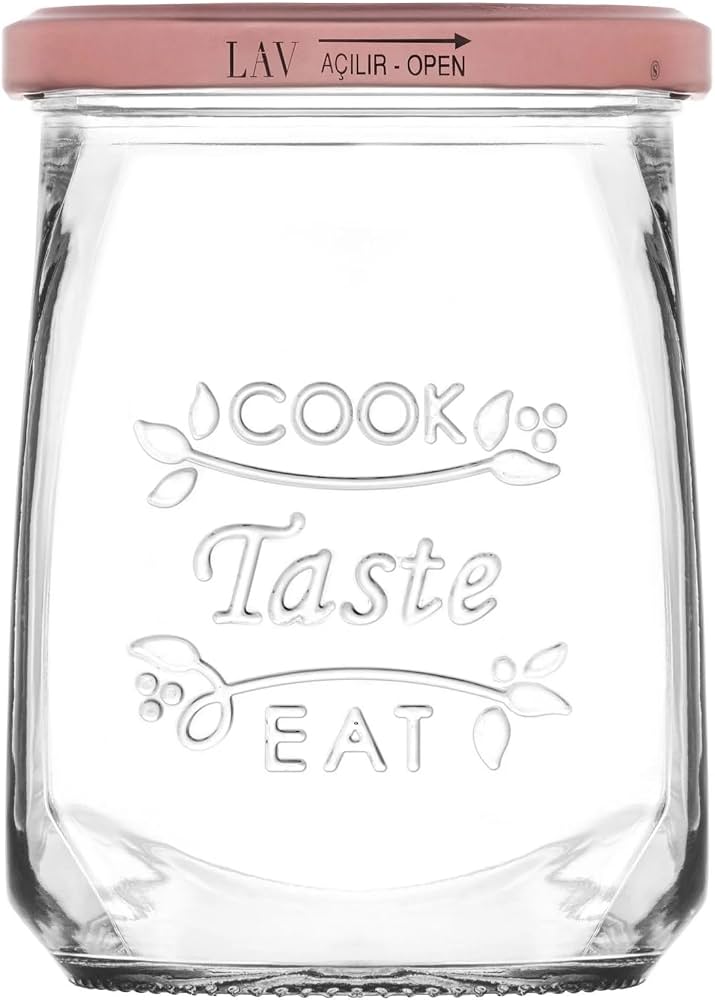
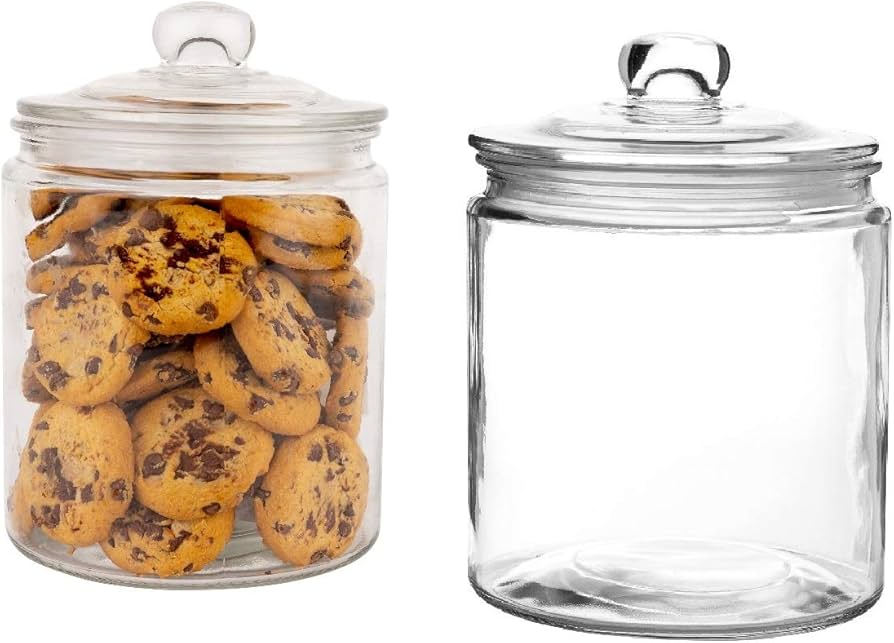
Below are the most highly rated Tasty Glass models available for purchase. These options vary primarily in size and whether they include a lid, allowing caregivers to match the cup to the user's specific mobility needs and drinking preferences.

As an Amazon Associate, we may earn from qualifying purchases.
How the ergonomic design helps
The Tasty Glass is engineered to turn the simple act of drinking into a manageable task for people with limited grip strength or motor control. Unlike standard glassware, which often requires a firm, precise pinch to hold securely, this adaptive cup is designed to work with the natural limitations of aging or disability. The design focuses on two main features: a pronounced lip and a lightweight, stable body.
The most distinctive feature is the thick, pronounced lip near the rim. This lip acts as a rest for the hand, allowing users to support the weight of the glass without needing to wrap their fingers tightly around the bowl. For someone with arthritis or weak hand muscles, this small detail removes the need for a crushing grip. Instead of fighting to keep the glass upright, the user can rest their hand against the lip, letting the structure of the cup do the work. This reduces fatigue and the anxiety of dropping the glass mid-sip.
Weight distribution plays an equally important role. The Tasty Glass is made from lightweight glass, making it easy to lift even when the arm is shaky or weak. However, it avoids being flimsy by featuring a thick neck and a broad, stable foot. This combination lowers the center of gravity, making the cup resistant to tipping over if bumped or if the user’s hand trembles. The stability provides peace of mind for both the user and the caregiver, knowing that spills are less likely.
Together, these ergonomic choices create a drinking aid that is both functional and dignified. The design does not look like medical equipment; it looks like a simple, sturdy glass. But beneath that familiar appearance lies a thoughtful structure that compensates for physical limitations. By reducing the strength required to hold the cup and increasing its stability, the Tasty Glass helps users maintain their independence during meals and hydration routines.
Comparing grip styles and sizes
Choosing the right Tasty Glass depends on how much liquid you need per sip and how your hands feel when holding it. The design focuses on a thick neck and a stable foot, which allows the glass to rest securely on a table without tipping. This stability is particularly helpful for caregivers or users who need a moment to rest their arm between sips.
The primary variation lies in the volume capacity. The standard model holds 8 ounces, which is ideal for those who prefer smaller, manageable portions or have limited arm strength. For users who need to stay hydrated but struggle with frequent refills, the larger 12-ounce version provides more liquid without increasing the physical weight of the glass significantly. Both versions maintain the same ergonomic lip, allowing the hand to rest comfortably against the rim.
While the classic Tasty Glass is open-topped, allowing for easy cleaning and visual monitoring of the liquid level, some users may require a lid to prevent spills. Although the base glass design is consistent, availability of compatible lids can vary by region and retailer. Always check the specific product listing to see if a spill-proof lid is included or sold separately, as this feature can be a deciding factor for users with tremors or balance issues.
| Model | Volume | Lid Type | Weight |
|---|---|---|---|
| Tasty Glass 8oz | 8 oz | Open | Light |
| Tasty Glass 12oz | 12 oz | Open | Light |
| Tasty Glass with Lid | 8 oz | Included | Light |
Care and cleaning tips
The Etac Tasty Glass is designed to be low-maintenance, which helps caregivers keep routines simple. The durable plastic construction means you can toss it in the dishwasher for a deep clean without worrying about warping or cracking. This dishwasher-safe feature is a major advantage over traditional glass adaptive cups, which often require hand-washing to prevent breakage.
For daily upkeep, a quick rinse with warm soapy water is usually enough to remove residue. If you notice cloudiness or stubborn stains, a gentle soak in a mixture of vinegar and water can restore clarity. Avoid using abrasive scrubbers or harsh chemicals, as these can scratch the surface and harbor bacteria over time.
Regular inspection is key to extending the life of your Tasty Glass. Check the pronounced lip and thick neck for any signs of wear or cracks that might affect grip stability. Replacing a worn cup is far safer than risking a spill or breakage during use.
Frequently asked: what to check next
What is the ETAC Tasty Glass?
The ETAC Tasty Glass is an adaptive drinking aid designed for individuals with limited hand strength or grip issues. It features a thick neck, a stable foot, and a pronounced lip that provides a secure resting place for the hand. This ergonomic design ensures stability and ease of use during daily meals.
Is the Tasty Glass the same as a wine tasting glass?
No. The Tasty Glass is a medical adaptive aid, not a stemware glass for wine tasting. While the name includes "Glass," it refers to the material and shape optimized for safety and grip, distinct from traditional wine glasses which have bowls, stems, and feet designed for aroma and presentation.
Can I use the Tasty Glass in the dishwasher?
Yes, the ETAC Tasty Glass is dishwasher safe. This makes cleaning straightforward for caregivers and users, ensuring hygiene without the need for careful hand washing. It is durable enough to withstand standard dishwasher cycles.
Is the Tasty Glass related to kitchen popcorn makers?
No. The Tasty Glass is not a kitchen appliance like a microwave popcorn popper. It is specifically engineered as a drinking vessel for those with mobility challenges. Do not confuse it with borosilicate glass popcorn makers used for cooking.
No comments yet. Be the first to share your thoughts!