

What makes the Tasty Glass different
The Etac Tasty Glass is an adaptive drinking aid designed specifically for people with limited strength, tremors, or grip issues. It looks like a standard wine glass, but its shape is engineered to make drinking safer and easier. Unlike regular glassware, which can tip over or require a tight squeeze to hold, this glass guides the hand into a stable position.
The most noticeable difference is the thick neck and pronounced lip. This feature gives the user a solid place to rest their fingers, preventing the glass from slipping. Because the weight is centered lower in the bowl, the glass is harder to knock over than a tall, slender tumbler. This stability reduces the risk of spills and accidents during meals.
Crafted from lightweight, durable material, the Tasty Glass is easy to lift and maneuver. The ergonomic design allows users to drink without having to grip the shaft tightly, which can be difficult for those with arthritis or weak hands. It is also dishwasher safe, making it a practical choice for daily use in care settings or at home.
How to hold the glass securely
Using this glass involves specific ergonomic techniques to help people with limited strength or grip hold a drink safely. The most important part of using this glass is understanding how your hand should interact with the thick neck and the pronounced lip. Getting this grip right prevents spills and reduces the effort needed to lift the glass.
Think of the glass as a tool that does some of the work for you. The pronounced lip acts as a natural rest for your fingers, while the thick neck provides a solid area to wrap your hand around. By using these built-in features, you create a stable connection between your hand and the glass, making the drinking process smoother and less tiring.
Here is the step-by-step process for holding the glass securely.
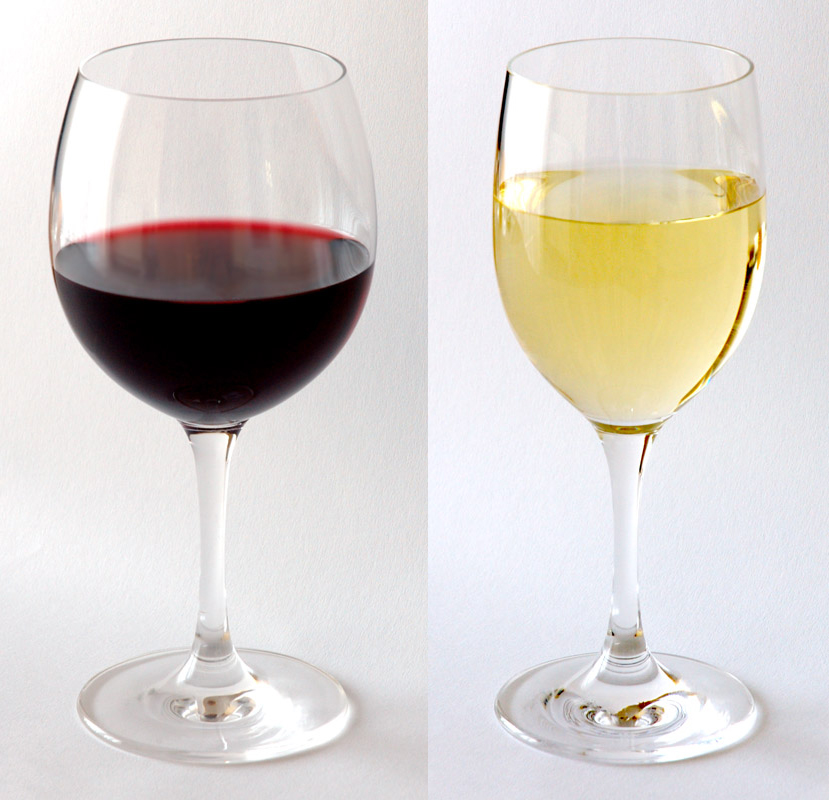
Place your hand around the thick, sturdy neck of the glass. This area is wider and heavier than the bowl, giving you a large surface area to grip. Wrap your fingers comfortably around this section. Do not squeeze tightly; a firm but relaxed hold is sufficient. The weight of the neck helps anchor the glass in your hand.

Slide your fingers up slightly so they rest against the pronounced lip of the glass. This lip is designed to catch your fingertips, providing a physical barrier that prevents the glass from sliding out of your hand. It acts as a natural stop, ensuring your grip stays in place even if your hand gets wet or slippery.

When lifting the glass, keep the base flat and level. The stable foot of the glass is designed to prevent tipping. Lift slowly and steadily, letting the weight of the glass be supported by your grip on the neck and lip. Avoid tilting the glass prematurely; keep it upright until you are ready to drink. This stability is key to preventing accidental spills.
By following these steps, you can use the glass with greater confidence and safety. The design takes the guesswork out of holding the glass, allowing you to focus on enjoying your drink.
Pouring and lifting without spilling
Pouring liquid into the Tasty Glass requires a steady hand, but the design helps mitigate spills. Because the center of gravity is low, the glass is less likely to tip if you bump it slightly. When pouring, place the glass on a stable, flat surface. Hold the bottle or pitcher close to the rim of the glass to minimize splashing. Pour slowly, allowing the liquid to settle before lifting the glass to drink.
When lifting the glass after pouring, ensure your grip is secure on the neck and lip as described in the previous section. Lift the glass straight up, keeping it level. If the user has significant tremors, consider pouring smaller amounts at a time to reduce the weight and risk of spilling.
Cleaning and dishwasher safety
The Tasty Glass is made from durable, BPA-free plastic that is safe for top-rack dishwasher cleaning. This makes it easy to maintain hygiene standards in both home and care facility settings. To clean by hand, use warm soapy water and a soft sponge. Avoid abrasive scrubbers that could scratch the surface, as scratches can harbor bacteria.
Ensure the glass is completely dry before storing it to prevent water spots or mold growth. The lightweight nature of the material means it dries quickly. If using a dishwasher, place the glass securely on the top rack to avoid it falling or tipping over during the wash cycle.
Troubleshooting grip issues
If the user finds it difficult to maintain a grip, check the following:
- Hand Size: Ensure the user’s hand is not too small for the neck. If the fingers cannot wrap around the thick neck, the glass may be too large. Consider if a different adaptive aid is needed.
- Slippery Hands: If hands are wet or oily, the grip may slip. Use a non-slip mat under the glass when it is on the table. For the user, drying hands thoroughly before lifting can help.
- Tremors: For users with severe tremors, the weight of the glass might be too much. Ensure the glass is not overfilled. A lighter load is easier to control.
No comments yet. Be the first to share your thoughts!