

Why aerate sweet red wines
Sweet red wines, such as Merlot, Zinfandel, or Shiraz, often taste tighter and more closed when first poured. Aeration acts as a reset button for these bottles. By exposing the wine to oxygen, you soften the tannins and help balance the natural sugar content. This process opens up the fruit flavors and makes the wine feel smoother on the palate.
Without aeration, sweet reds can sometimes taste jammy or overly heavy. The alcohol might hit harder, masking the subtle berry and spice notes. An aerator speeds up this breathing process, taking what would normally take thirty minutes in a decanter and achieving it in seconds as you pour.
For beginners, this mechanical benefit is the primary reason to use an aerator. It transforms a potentially cloying glass into a balanced, approachable drink. You don't need to wait for the wine to breathe in the bottle; the device does the work for you instantly.
How to choose the right aerator
Picking a wine aerator for sweet reds doesn't require a degree in oenology, but it does require matching the tool to your routine. The best aerator for beginners balances three practical factors: speed, ease of cleaning, and material quality. If a device is fast but impossible to rinse, you will likely abandon it after the first use. If it is easy to clean but made of flimsy plastic, it may crack or leach flavors over time.
Speed and flow
Sweet red wines like Port, Merlot, or Zinfandel often benefit from aeration to soften tannins and open up fruit notes. However, these wines are also thicker than crisp whites. A high-flow aerator that works well for light Pinot Noirs might struggle to aerate a dense Syrah evenly. Look for devices designed for broader flow rates. Pouring should feel natural, not like you are fighting the wine. A good aerator integrates air without creating excessive foam or splashing, which is especially important when serving guests.
Cleaning and maintenance
The biggest hurdle for beginner wine enthusiasts is cleanup. Aerator parts can trap sediment and sugar, leading to sticky residue if not washed immediately. Manual pour-over aerators are generally easier to clean than electric models because they have fewer crevices and no motors. If you choose a device with a removable filter or a simple spout design, you can rinse it under warm water in seconds. Avoid complex mechanisms with small gears or electronic contacts that require careful drying to prevent damage. Simplicity ensures longevity and encourages regular use.
Material quality
The material of your aerator affects both taste and durability. Food-grade plastics are common and lightweight, but they can retain odors or stains from deeply colored reds. Stainless steel or high-quality glass components are more inert, meaning they won't impart any unwanted flavors to your wine. For sweet reds, which often leave behind sugary residues, non-porous materials are easier to keep sanitary. Check that the aerator is dishwasher safe if you prefer convenience, or hand-washable if you want to preserve the finish of premium materials.
Comparison of top options
The table below highlights key features of popular beginner-friendly aerators. Use this to compare flow rates, cleaning methods, and build materials before making a choice.
Top wine aerators for beginners
Choosing the right wine aerator for sweet red wines comes down to balancing ease of use with how well the device softens tannins without washing out the fruit flavors. Zinfandel, Shiraz, and Merlot often benefit from aeration to open up their aroma profile, but beginners need tools that are forgiving and simple to operate.
The best aerators for this category tend to fall into three buckets: pour-over spouts that sit on the bottle neck, handheld pumps that draw wine through a chamber, and electronic decanters that do the work automatically. For most beginners, a simple pour-over aerator is the best starting point because it requires no electricity and offers immediate results. If you host gatherings often, an electronic option saves time and effort.
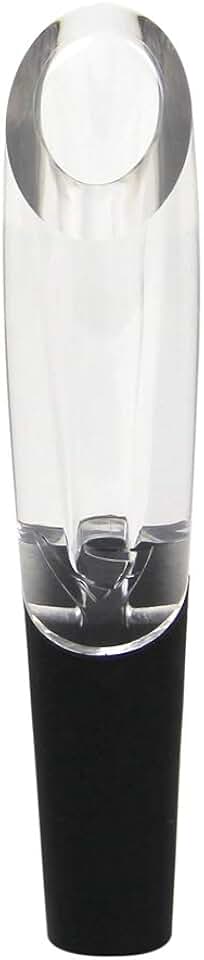
Below are four highly rated wine aerators that work particularly well with sweet red wines. These picks focus on simplicity, durability, and the ability to enhance the rich fruit notes typical of sweeter red blends.


As an Amazon Associate, we may earn from qualifying purchases.
When selecting an aerator, consider how you typically serve wine. If you pour a full glass at a time, a handheld or pour-over model is efficient. If you prefer to decant a whole bottle before serving, an electronic decanter might be more suitable. Always rinse your aerator immediately after use to prevent sugar residue from sweet red wines from clogging the internal chambers.
Sweet reds that benefit most
Aeration is not a one-size-fits-all fix. It works best on wines with higher tannins or those that are currently tight and closed. For beginners, understanding which sweet reds need this extra breath helps you decide when to use your aerator and when to just pour.
Cabernet Sauvignon
Cabernet Sauvignon is the king of tannins. Young bottles often taste harsh or bitter straight from the bottle. Aeration softens these tannins, revealing the dark fruit flavors underneath. If you are drinking a Cabernet under ten years old, running it through an aerator is usually worth the effort.
Merlot
Merlot is generally softer than Cabernet, but it can still be tight when young. Aeration opens up the plum and cherry notes, making the wine feel smoother on the palate. It is a forgiving grape for beginners, and aeration ensures you get the full, velvety experience it promises.
Zinfandel
Zinfandel is known for its bold, jammy character. However, younger vintages can sometimes taste alcoholic or disjointed. Aeration helps balance the heat from the alcohol and brings out the spice and berry notes. It turns a hot, rough glass into a rich, complex drink.
Syrah (Shiraz)
Syrah offers dark fruit and pepper notes, but it can be very tannic in cooler climates. Aeration helps to mellow the structure and let the savory elements shine. If your Syrah tastes overly astringent, give it a minute in the aerator to soften the edges.
Simple steps to aerate wine
Aerating sweet red wines like Merlot or Zinfandel is less about complex rituals and more about giving the liquid enough air to soften its tannins and open up its fruit flavors. Follow this straightforward workflow to get the best result from your purchase.
Pour your wine into a clean glass before you start. This gives you a reference point for the wine’s original color and aroma. Open the bottle and remove the cork completely. Having everything ready ensures you can pour continuously without interruption.

Hold the aerator firmly against the neck of the bottle or directly over the glass, depending on your device type. Ensure the seal is tight if you are using a pour-through model. A loose fit lets air escape, reducing the aeration effect you need for those heavy sweet reds.
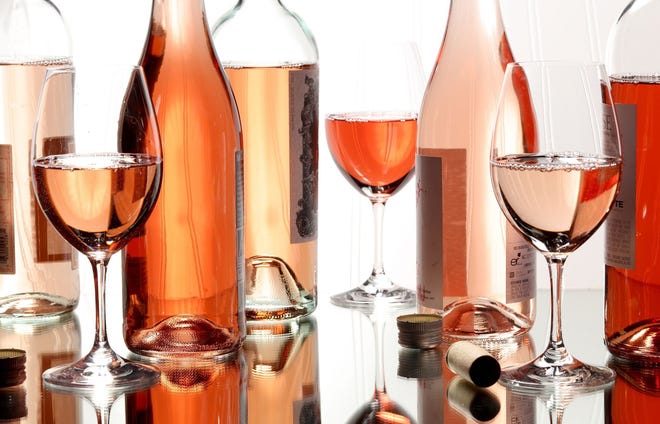
Tilt the bottle and pour in a slow, steady stream. Avoid splashing or pouring too fast, which can cause foaming and lose the aeration benefit. Let the wine flow through the aerator’s channels; you will hear a slight hissing sound as air mixes with the liquid.
Once poured, gently swirl the wine in your glass for ten seconds. This final agitation helps release the volatile compounds that carry the aroma. Take a sniff, then take a sip. You should notice the wine feels smoother and the fruit flavors are more pronounced.


As an Amazon Associate, we may earn from qualifying purchases.
Common questions about wine aerators
Aerating sweet red wines changes how they taste, but it doesn't work the same way as it does for dry wines. Beginners often wonder if these tools are worth the effort or if they can simply pour the wine into a glass. Here are the most frequent questions about maintaining and using aerators for sweeter profiles.
No comments yet. Be the first to share your thoughts!