

Why use a wine aerator
A wine aerator speeds up the natural process of letting wine "breathe." When you pour wine through the device, it mixes the liquid with oxygen instantly. This contact with air softens harsh tannins and allows the wine's aromatic compounds to open up, revealing flavors that might otherwise stay hidden.
Think of aeration as a shortcut for decanting. Traditionally, you would pour wine into a decanter and wait 60 to 90 minutes for it to reach its full potential. An aerator achieves a similar effect in seconds as you pour directly into your glass. This makes it ideal for weeknight dinners when you want a smoother, more polished glass without the planning ahead.
The result is a glass of wine that tastes smoother and more balanced right away. You avoid the bitter, astringent edge that often comes from young reds or wines that have been sealed for a long time. Instead, you get the fruity, floral, or earthy notes the winemaker intended, presented in a way that is ready to drink immediately.
How to pour with a wine aerator
Pouring wine through an aerator is a quick mechanical process, but getting the flow right prevents spills and ensures the wine gets enough oxygen. The goal is to let the wine pass through the aerator’s internal chamber, mixing with air before it hits your glass. Follow these steps to master the pour.
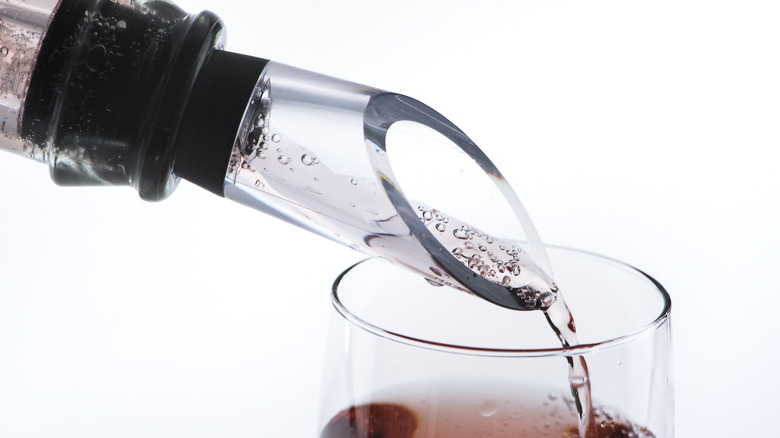
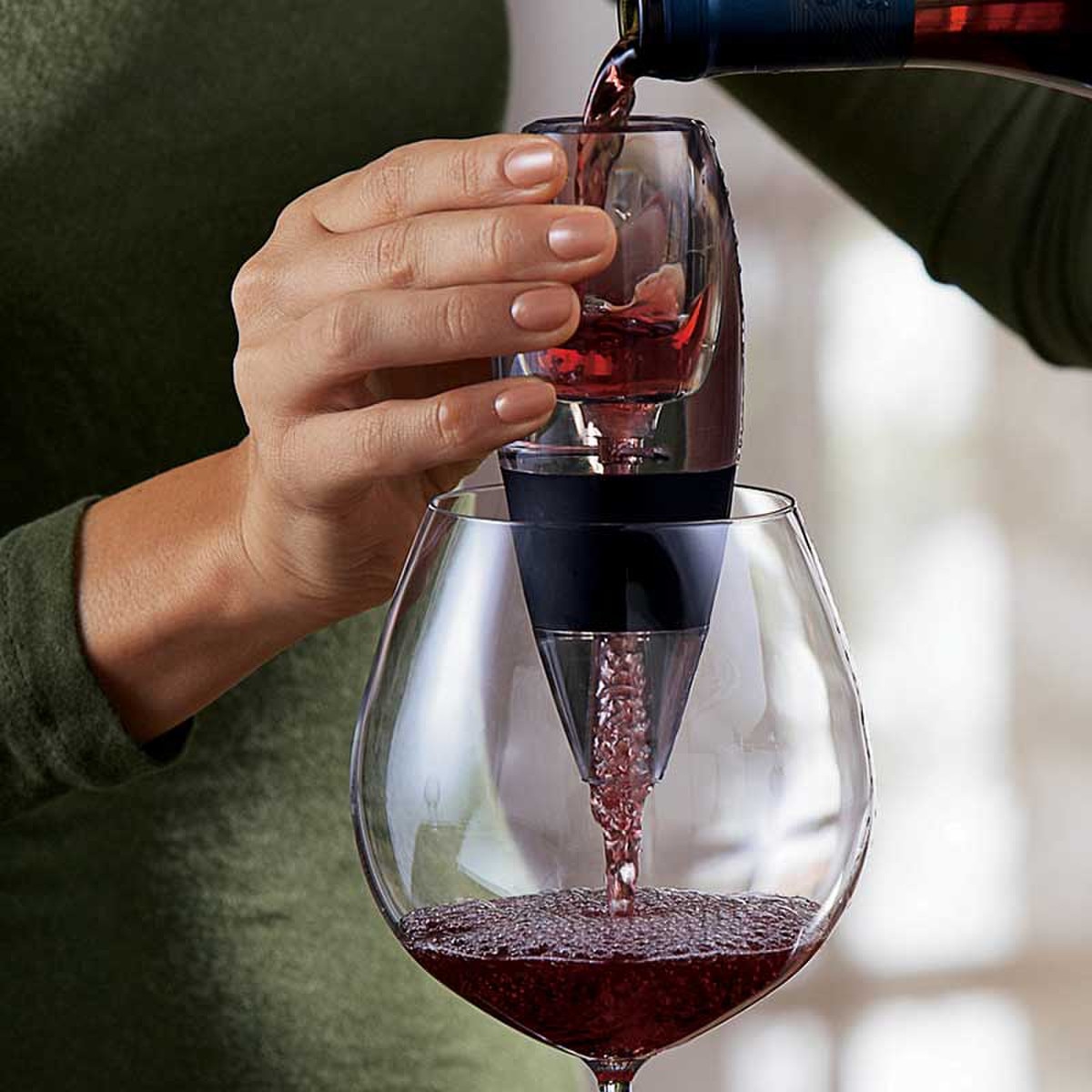
Hold the wine bottle by the base or the lower body. Place the aerator’s mouthpiece securely over the bottle’s opening. If you are using a pour-through style (not a stopper-style like the VinOair), ensure the aerator is sitting flat and stable on the rim. This creates a seal that directs all the wine through the device rather than around it.
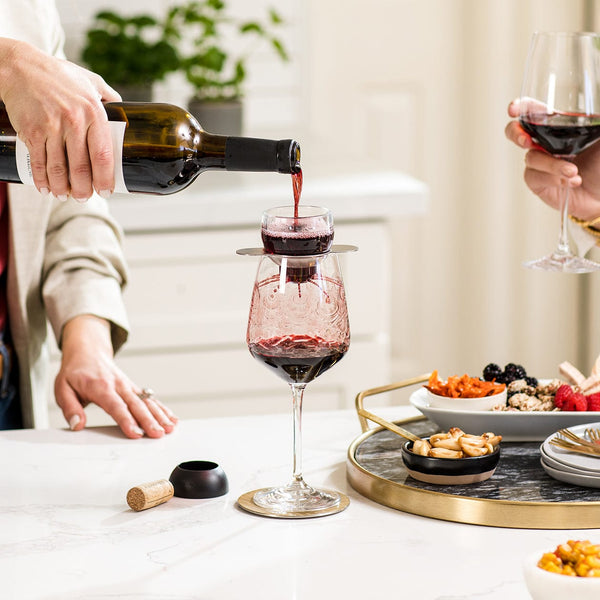
Begin tilting the bottle over your glass at a steady, moderate angle. Pour slowly at first. A common mistake is tilting too fast, which causes the wine to gush out without properly engaging the aerator’s internal turbulence. You want a smooth, continuous stream entering the top of the aerator.
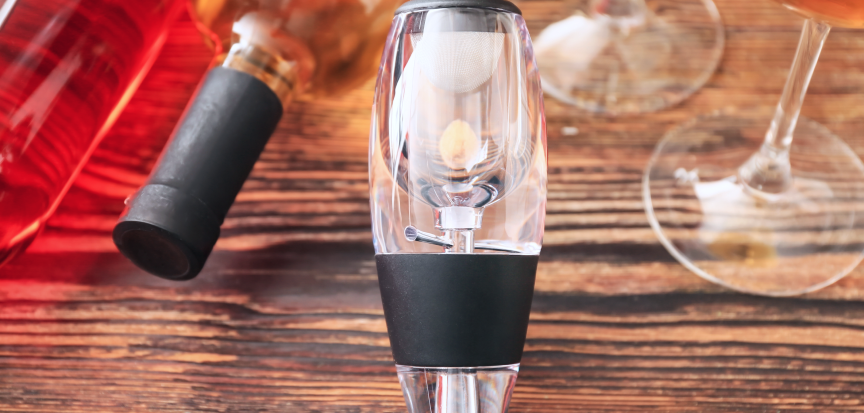
As the wine flows through the device, you should see it swirl or churn inside the clear chamber. This is the air mixing with the wine. If the flow looks thin or glugging, you may be pouring too slowly. If it splashes violently, you are pouring too fast. Adjust your tilt to maintain a consistent velocity.
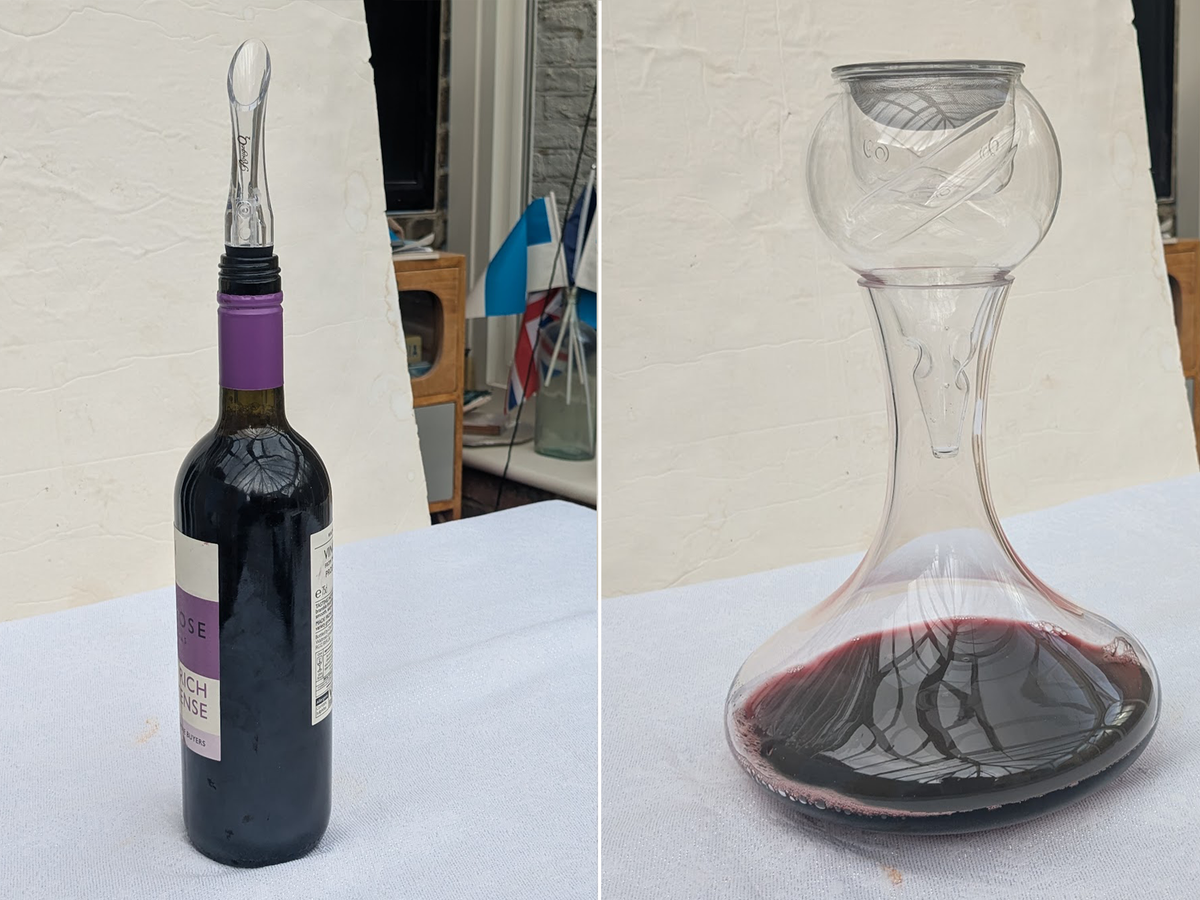
Aim the spout of the aerator toward the center of the glass, not the side. This helps the wine spread out and catch more air as it falls. Keep the aerator level as you pour to ensure even aeration. Stop pouring before the last drop to avoid drips running down the outside of the bottle or aerator.
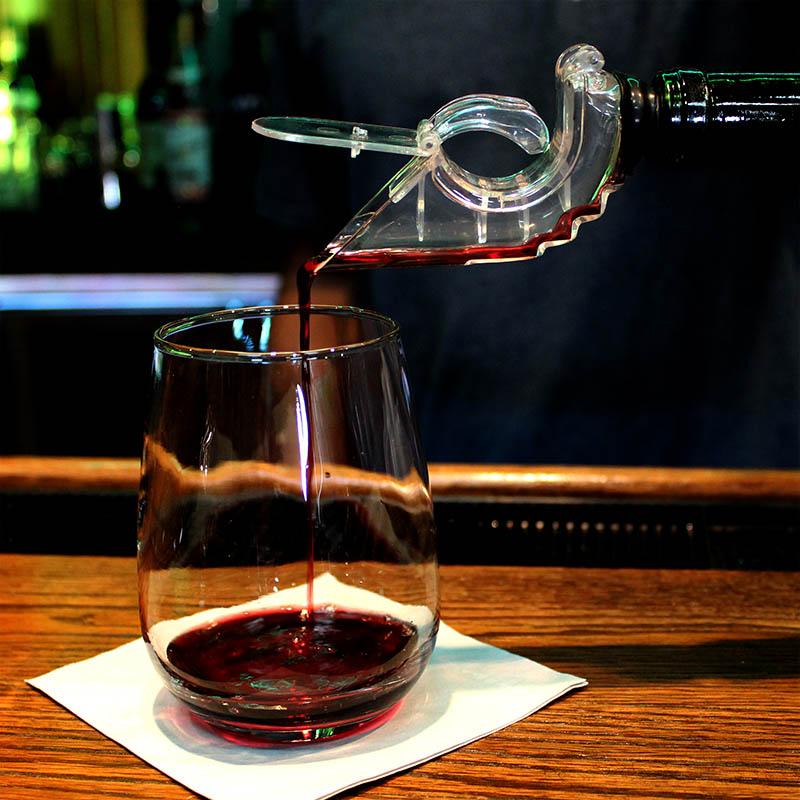
Once the pour is complete, lift the aerator straight up. Rinse it with warm water immediately. Wine residue dries quickly and can become difficult to remove, especially from the internal chambers of the aerator. Avoid using harsh abrasives that could scratch the plastic or glass, which might harbor bacteria.
The key to a good pour is consistency. If you find the wine is splashing, slow down your tilt. If it tastes flat, ensure the aerator is fully seated on the bottle. With practice, this process takes less than ten seconds per glass.
Open a wine bottle without a corkscrew
Losing the corkscrew at the worst possible moment doesn’t mean the wine stays sealed. You can bypass the tool entirely by using simple physics and common household items. The goal is to push the cork inward or pull it out using friction and leverage, keeping the glass intact and the wine clean.
Position a large nail or thick screw roughly in the center of the cork. Tap it gently with a hammer until about two-thirds of the nail is embedded. Grip the nail head firmly with pliers or your fingers and pull straight up. The cork should slide out with minimal resistance. This method is fast but requires a steady hand to avoid tilting the bottle.
If pulling proves difficult, push the cork into the bottle instead. Place a wooden spoon handle, a chopstick, or a similar blunt, smooth object against the center of the cork. Apply steady, even pressure until the cork slips past the neck and drops into the wine. This is the safest method for glass preservation, though you’ll need to strain the wine before pouring.
Drive a long wood screw into the center of the cork, leaving about an inch exposed. Grip the screw head with a pair of pliers or a claw hammer. Pull upward slowly and steadily. The screw acts as a handle, providing the grip needed to extract the cork without twisting or breaking it. This mimics the action of a proper corkscrew and works well for standard bottles.
Regardless of the method chosen, wrap the neck of the bottle in a thick towel. This protects your hands from slipping, absorbs any minor glass breakage, and provides a stable surface to push or pull against. Keep the bottle angled slightly away from yourself and others for safety.
Best wine aerators for beginners
Choosing the right wine aerator depends on how you drink and how much effort you want to put in. For beginners, the goal is simplicity: a tool that fits your routine, doesn't require complex cleaning, and delivers consistent results without breaking the bank.
We compared the most popular models across three categories: pour-over spouts, in-bottle plungers, and electric decanters. Each type has distinct advantages for speed, ease of use, and maintenance. Use the comparison table below to find the best fit for your wine habits.
Common pouring mistakes to avoid
Even a simple wine aerator can turn a smooth pour into a sticky mess if you rush the process. Most issues—dripping, over-aeration, or cloudy residue—come down to three variables: speed, angle, and cleanup. Fix these habits, and your wine will taste better and your table will stay clean.
Dripping after the pour
The most common complaint is wine trailing down the side of the bottle. This happens when you pull the aerator away too quickly or hold it at a low angle. Gravity needs a moment to finish the flow. After you finish pouring, hold the aerator vertical for two seconds before lifting it away. If your current model drips, look for designs with a built-in drip-stop lip, such as the VinOair, which is engineered to eliminate this specific issue.
Over-aerating delicate wines
Aerator speed matters. Pouring too fast introduces too much oxygen, which can flatten the flavor of light-bodied wines like Pinot Noir or Gamay. Think of it like breathing: a sharp gasp fills your lungs, but a steady breath sustains you. For delicate reds, pour slowly and steadily. If the wine tastes flat or overly alcoholic after aerating, you likely poured it too aggressively. Let it sit in the glass for a minute before deciding if it needs more air.
Skipping the rinse
Wine residue dries quickly and leaves a sticky film inside the aerator’s internal channels. If you don’t rinse it immediately after use, that residue hardens and can affect the next pour. Fill the aerator with warm water and shake it gently, then let it air dry completely. Never store it wet, as stagnant water can lead to odors or mold buildup in the narrow tubes.
Watch: Aerator demo and tips
Seeing the pour clarifies the mechanics better than text alone. The video below demonstrates the exact hand positioning and flow rate needed to avoid splashing or oxidation.
Focus on the steady, continuous stream. A consistent pour ensures the wine mixes evenly with air as it passes through the device, maximizing aeration without creating a mess.
Wine aerator questions answered
Wine aerators speed up the breathing process by forcing oxygen into the wine as you pour. This quick interaction smooths out harsh tannins and releases aromas that might otherwise stay trapped, effectively mimicking a 60-to-90-minute decant in seconds. For everyday bottles, this tool offers a fast, consistent way to improve flavor without the wait.
Does a wine aerator really work?
Yes, aerators physically mix air with wine during the pour. This rapid oxidation softens the wine’s texture and opens up its bouquet, making it taste smoother and more aromatic. While it doesn’t replace the nuanced aging process of a decanter, it delivers immediate results for young, tannic wines.
Is it good to aerate your wine?
Aeration is beneficial for red wines with bold tannins, such as Cabernet Sauvignon or Merlot. The oxygen helps break down astringent compounds, making the wine more approachable. Lighter wines, like Pinot Noir, may also benefit, but delicate whites and sparkling wines generally do not require aeration and may lose their freshness.
What does an aerator do for your wine?
An aerator introduces oxygen to the wine as it passes through the device. This process "wakes up" the wine, unlocking hidden layers of flavor and aroma. It smooths out harsh edges and allows the wine’s natural character to shine, similar to what happens when you let a bottle breathe in a decanter.
Is a decanter or aerator better for wine?
A decanter offers a slower, more controlled aeration process, allowing you to observe the wine’s evolution over time. An aerator provides instant results, making it ideal for quick service or when you need to open multiple bottles. Choose a decanter for special occasions and an aerator for everyday convenience.
Your wine night checklist
Before you open the bottle, gather your tools to ensure a smooth pour. You will need a wine opener, a wine aerator, and a glass for testing. Having these items ready prevents interruptions during service.
Check the aerator for cleanliness before use. A quick rinse with warm water removes dust and ensures the wine flows without obstruction. Avoid using soap, which can leave a residue that alters the wine's flavor.
-
Open the bottle with your chosen tool.
-
Pour a small amount through the aerator.
-
Taste the wine to check for smoothness.
-
Serve the rest to your guests.
No comments yet. Be the first to share your thoughts!