

What a wine aerator actually does
A wine aerator works by forcing wine through internal air channels as you pour. This rapid exposure to oxygen triggers oxidation, softening harsh tannins and releasing aromatic compounds that might otherwise stay trapped in the liquid. The result is a glass that tastes smoother and more complex almost immediately.
Think of the aerator as a shortcut for time. Without one, you would need to pour wine into a decanter and wait 60 to 90 minutes for the same chemical changes to occur naturally. The aerator compresses that waiting period into the few seconds it takes to fill your glass.
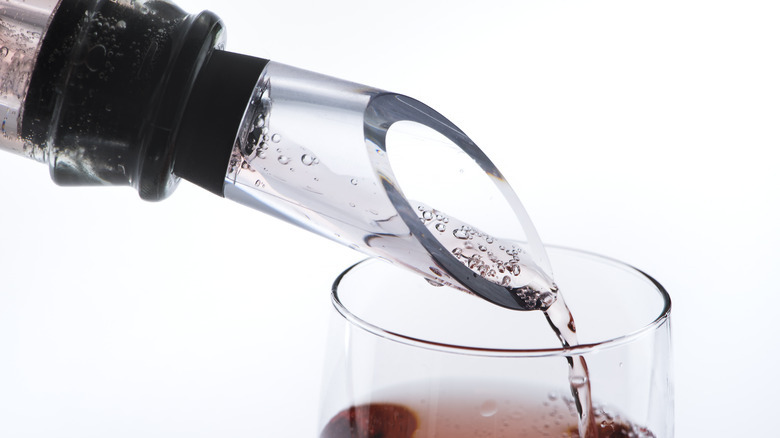
This process doesn't change the fundamental character of the wine, but it does make it more approachable. You aren't creating new flavors; you are simply helping the existing ones open up faster. This makes a wine aerator particularly useful for young, tannic reds that need a head start, or for everyday pours where you want immediate enjoyment without the wait.
Pick the right wine aerator type
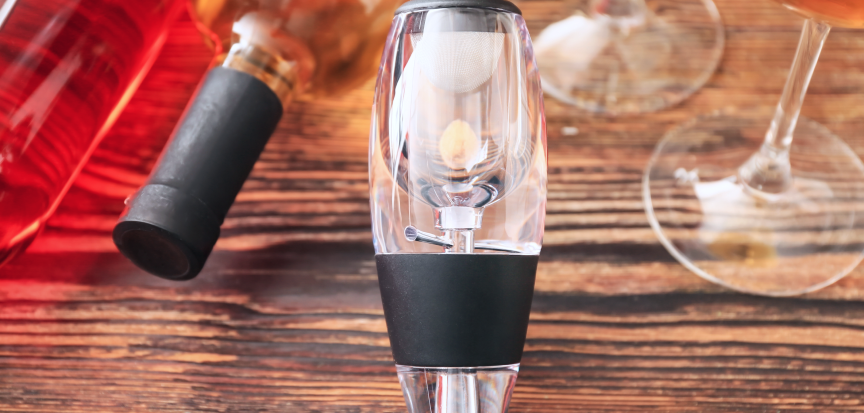
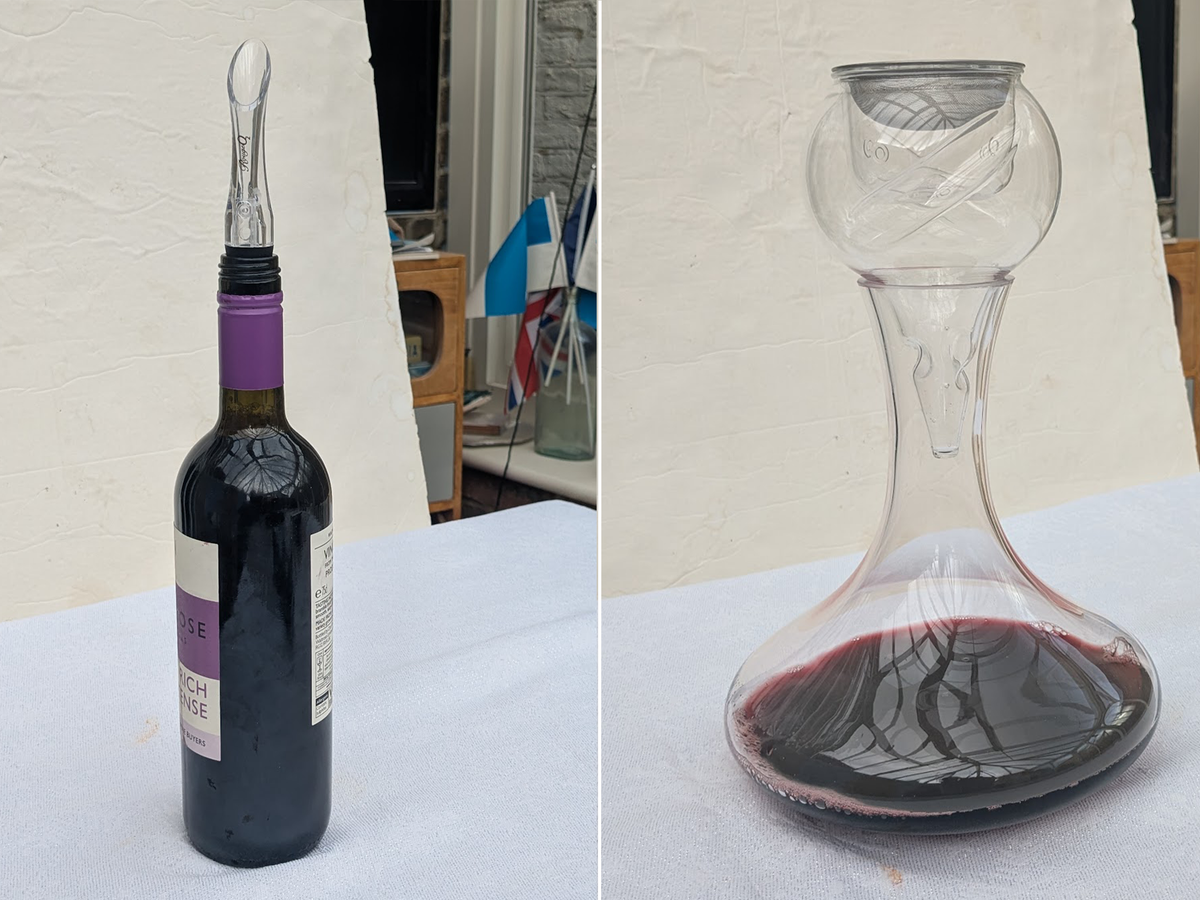
Choosing a wine aerator depends on how you drink wine and how much effort you want to put into the process. The three main designs—pour-through, stopper, and on-bottle—each handle oxidation differently. Pour-through units separate the wine from the bottle, stoppers work inside the cork, and on-bottle devices attach directly to the neck.
Use this comparison to see which mechanism fits your routine:
| Type | Mechanism | Best Wine Style | Ease of Use |
|---|---|---|---|
| Pour-through | Holds over glass; wine flows through vents | Full-bodied reds (Cabernet, Merlot) | Medium (requires holding) |
| Stopper | Inserted into bottle neck; aerates during pour | Mixed collections (reds and whites) | High (one-handed) |
| On-bottle | Attaches to neck; aerates during pour | Everyday reds; quick service | High (no extra tools) |
Pour-through aerators are the classic choice for serious tasting. You hold the device over a glass and pour the wine through its internal channels. This exposes the liquid to maximum air, making it ideal for robust reds that need significant breathing time. The trade-off is that you must hold the device steady while pouring.
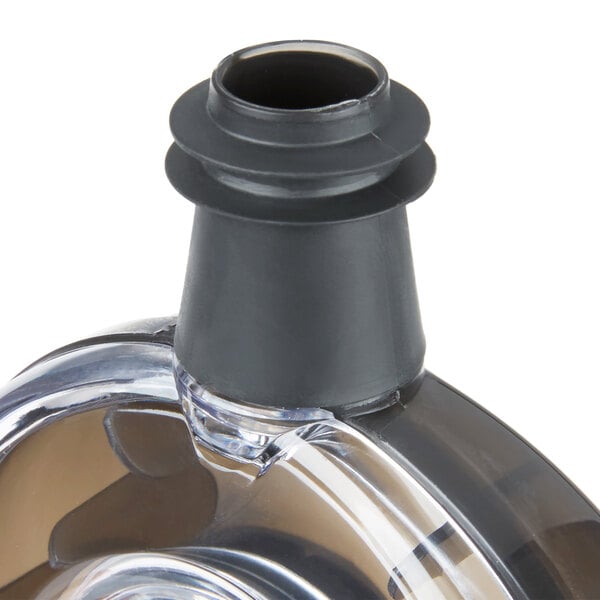
Stopper aerators slide into the bottle’s opening. As you pour, the wine passes through the aerator inside the neck. This method is convenient for mixed wine collections because you can leave the stopper in place or swap it out easily. It works well for lighter reds and even some whites that benefit from aeration.
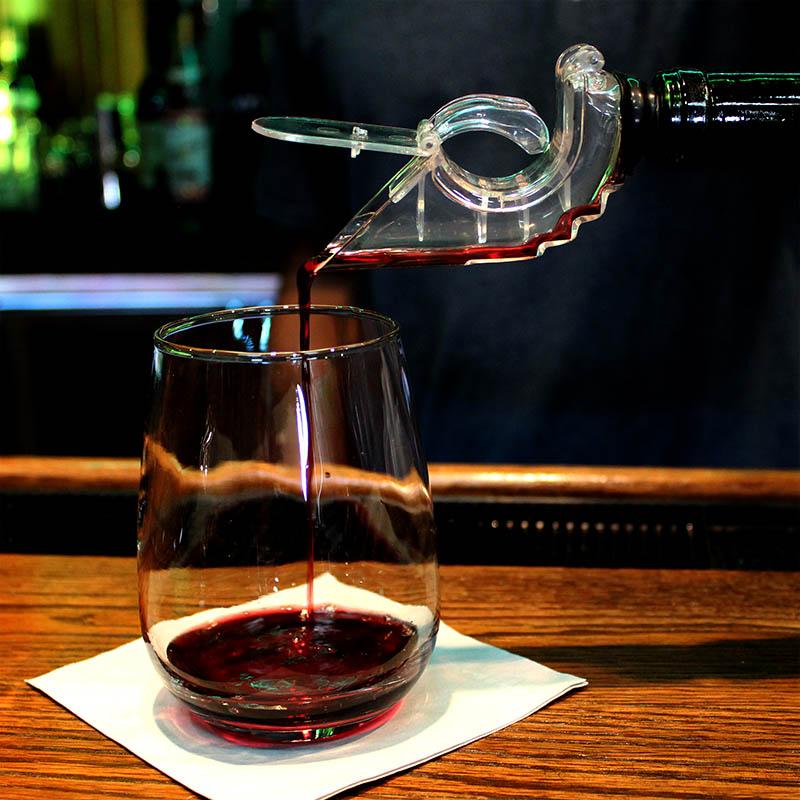
On-bottle aerators screw or clip onto the bottle neck. They aerate the wine as you pour, combining the functions of a stopper and an aerator into one device. These are excellent for everyday drinking or when you want to serve wine quickly without extra tools. They are less effective for very young, tannic reds that need aggressive oxidation.

Pour through the aerator correctly
The easiest mistake with Use a Wine Aerator for Better Flavor is comparing options on the most visible detail while ignoring the day-to-day constraint. A choice can look strong on paper and still fail because it is too hard to maintain, too expensive to repeat, or awkward in the actual setting. Use the same checklist for every option: fit, cost, durability, timing, upkeep, and fallback plan. That keeps the comparison practical instead of drifting into preference alone.
When aerators help or hurt wine
Use a Wine Aerator for Better Flavor works best as a clear sequence: define the constraint, compare the realistic options, test the tradeoff, and choose the path with the fewest hidden costs. That order keeps the advice usable instead of decorative. After each step, pause long enough to check whether the recommendation still fits the reader's actual situation. If it depends on perfect timing, unusual access, or a best-case budget, include a simpler fallback.
The simplest way to use this section is to write down the real constraint first, compare each option against it, and choose the path that still works outside ideal conditions.
Common pouring mistakes to avoid
Even the best wine aerator can’t save a sloppy pour. Most users undermine the device’s potential by rushing the process or ignoring maintenance. These three habits dull the flavor instead of brightening it.
Pouring too fast
Gravity feeds the wine through the aerator’s internal channels. If you tip the bottle too quickly, the liquid bypasses the aeration chamber entirely, flowing straight into the glass like an un-aerated pour. Pour slowly and steadily to ensure every drop mixes with air.
Skipping the cleaning
Residue from previous pours accumulates inside the aerator’s narrow passages. This buildup traps old flavors and can introduce off-tastes to your next glass. Rinse the device with warm water immediately after use, or run it through the dishwasher if the manufacturer allows.
Using it on delicate wines
Aerators are designed to soften tannins in bold reds like Cabernet Sauvignon or Syrah. Pouring a light-bodied Pinot Noir or an aged vintage through a high-flow aerator strips away the subtle aromatics, leaving the wine flat and one-dimensional. Reserve the aerator for robust wines that benefit from oxygen.
Does a wine aerator really work?
Wine aerators force oxygen through the liquid as it pours, mimicking the effects of swirling a glass or leaving it in a decanter for hours. This rapid oxidation softens harsh tannins and releases trapped aromas, making the wine taste smoother immediately.
The consensus among experts and users is that aerators work best for young, bold reds like Cabernet Sauvignon or Merlot. They have less impact on delicate wines or white wines, which can sometimes taste flat after too much aeration.
While traditional decanting offers a more gradual process, an aerator provides a consistent result in seconds. It is a practical tool for everyday drinking, though it may not replace the nuance of a long, slow decant for rare, aged bottles.
No comments yet. Be the first to share your thoughts!