

Why Sweet Red Wine Gets a Bad Rap (And Why It Shouldn’t)
For a long time, many wine drinkers have turned up their noses at sweet red wines. They’re often seen as childish, unsophisticated, or even just…wrong. Dismissing an entire category of wine means missing out on some truly delightful experiences. This bias is common, even among people who actively enjoy other wine types.
Historically, sweet red wines actually preceded drier styles. Tasty Glass’s exploration of wine history shows that wines were often sweetened with honey or fruit in ancient times. This was partly for preservation, but also simply a matter of taste. The shift towards drier wines is relatively recent, gaining momentum in the 18th and 19th centuries.
The modern stigma stems from a couple of places. A lot of very cheap, mass-produced wines are sweet, and they often taste artificial. This creates a negative association. Also, there's a prevailing belief in some wine circles that sweetness masks flaws in the wine – that a winemaker resorts to sugar when they can’t achieve balance through skill and quality grapes. This isn't always true, and it unfairly penalizes well-made sweet reds.
The best sweet red wines celebrate a different kind of balance – a harmony between fruit, acidity, and sweetness. They offer a unique experience and are a fantastic gateway for people new to wine. Taste is subjective, and there’s no reason why a sweet red wine can’t be just as enjoyable as a dry one.
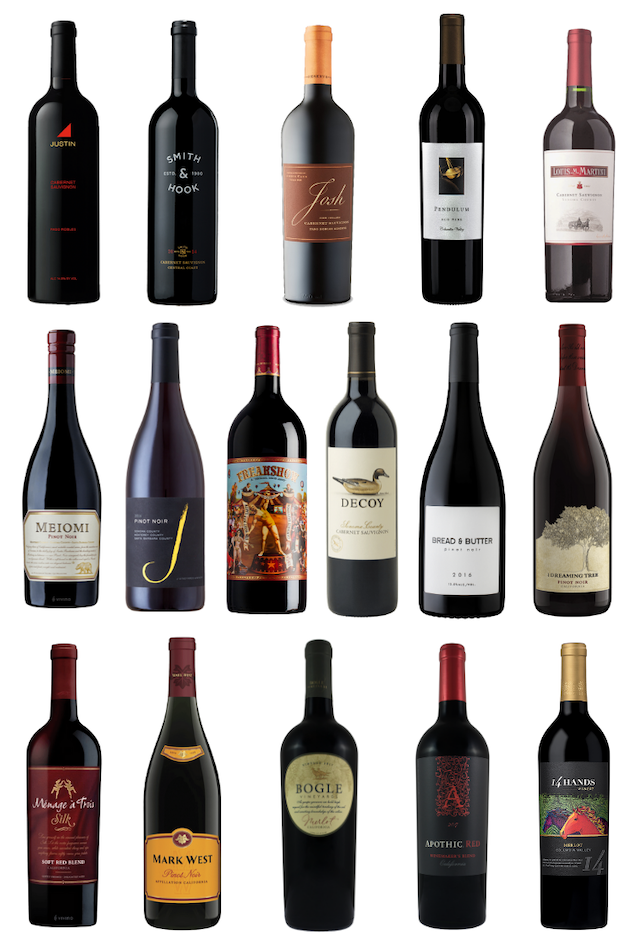
Decoding Sweetness: What Makes a Red Wine ‘Sweet’?
What makes a wine taste sweet? It all comes down to residual sugar. During fermentation, yeast converts the natural sugars in grapes into alcohol. If all the sugar is converted, you get a "dry’ wine. But if some sugar remains, that’s residual sugar, and it"s what we perceive as sweetness.
Winemakers can influence the level of residual sugar in a number of ways. One is to use late-harvest grapes – grapes that are left on the vine longer, allowing them to accumulate more sugar. Another is to stop fermentation before all the sugar is converted. This can be done by chilling the wine, which kills the yeast, or by filtering out the yeast.
Describing sweetness is often more helpful than focusing on precise sugar levels. A "dry’ wine will have very little noticeable sugar. An ‘off-dry’ wine will have a hint of sweetness, often balanced by acidity. And a ‘sweet" wine will have a pronounced sweetness, like you find in a dessert wine. The exact sugar content thresholds for each vary by palate and the wine's other characteristics.
Sweetness isn't the only factor determining a wine's taste. Acidity, tannins, and fruit flavors all play a role. A sweet wine with high acidity tastes refreshing and balanced, while a sweet wine with low acidity feels cloying and heavy. The interplay of all these elements determines the final taste.
- Dry: Very little noticeable sugar.
- Off-dry: A hint of sweetness, balanced by acidity.
- Sweet: Pronounced sweetness, like a dessert wine.
Understanding Wine Sweetness
- Dry - Wines with very little residual sugar. They don't taste sweet, and can even feel slightly astringent. Learn more about dry wines
- Off-Dry - A barely perceptible sweetness. These wines have a touch of sugar, but it’s balanced by acidity, making them refreshing. Explore off-dry wine characteristics
- Semi-Sweet - Noticeably sweet, but still with some balancing acidity. These are a good starting point for those new to sweeter wines. Discover semi-sweet wine pairings
- Sweet - These wines have a significant amount of residual sugar, resulting in a clearly sweet taste. Find out about dessert wines
- Late Harvest - Wines made from grapes left on the vine longer than usual, concentrating their sugars. Often results in a very sweet wine. What is Late Harvest wine?
- Residual Sugar - This refers to the sugar remaining in the wine after fermentation. It's the primary factor determining a wine's sweetness level. Understanding Residual Sugar in Wine
- Tannins - While not directly related to sweetness, tannins (found in red wine) can create a drying sensation that balances out sweetness. What are wine tannins?
The 2026 Lineup: 8 Sweet Reds You Need to Try (Under $30)
Eight excellent sweet reds under $30 are achievable in 2026. Here are wines to look for, based on current trends and likely availability. Prices are estimates and can vary by location.
1. Lambrusco Grasparossa di Castelvetro ($15-20): From Emilia-Romagna, Italy, this sparkling Lambrusco offers notes of blackberry, cherry, and a slight earthy undertone. It’s slightly fizzy and wonderfully refreshing, pairing well with pizza and cured meats.
2. Brachetto d’Acqui ($18-25): Another Italian gem, Brachetto d’Acqui is a lightly sparkling red wine from Piedmont. It’s intensely aromatic, with flavors of raspberry, rose petals, and a hint of spice. Perfect for chocolate desserts or enjoyed on its own.
3. Dornfelder Kabinett ($12-18): From Germany, Dornfelder Kabinett is a fruity and approachable wine with flavors of black cherry and plum. It’s often off-dry, making it a great entry point for wine beginners.
4. Black Spanish (Lenoir) ($10-15): This Southern US native is gaining popularity. Expect flavors of blackberry jam and a hint of spice. It's often a good value.
5. Port-Style Ruby ($15-20): While true Port is often more expensive, there are many excellent Port-style ruby wines available under $30. These wines are rich and full-bodied, with flavors of dark fruit and chocolate. Liquor.com frequently highlights Dal Forno Romano Vigna Seré Veneto Passito Rosso as a decadent choice, though it may be slightly above the $30 mark.
6. Recioto della Valpolicella ($20-30): Another Italian wine, Recioto is made from partially dried grapes, resulting in a wine with concentrated flavors of cherry, plum, and chocolate. It's a richer, more complex sweet red.
7. Ruby Cabernet (California) ($10-15): A reliably fruity and easy-drinking option. Expect notes of cherry and plum with a smooth finish. It’s widely available and a great everyday wine.
8. Shiraz/Syrah (Australian) - Late Harvest ($15-25): Look for Australian Shiraz labeled as “Late Harvest.” These wines have concentrated fruit flavors and a noticeable sweetness. Expect notes of blackberry, plum, and spice.
2026's Best Sweet Red Wines Under $30: A Comparison
| Name | Region | Price Range | Sweetness Level (1-5, 5 being sweetest) | Primary Flavors | Food Pairing |
|---|---|---|---|---|---|
| Lambrusco Grasparossa di Castelvetro | Emilia-Romagna, Italy | $15 - $25 | 3 | Dark Cherry, Blackberry, Earthy Notes | Pizza, Salumi, Grilled Sausage |
| Brachetto d'Acqui | Piedmont, Italy | $18 - $28 | 4 | Strawberry, Raspberry, Rose Petals | Chocolate Desserts, Fresh Fruit Tart |
| Recioto della Valpolicella | Veneto, Italy | $20 - $30 | 5 | Stewed Cherry, Fig, Cinnamon | Dark Chocolate, Aged Cheeses |
| Banyuls | Roussillon, France | $22 - $30 | 4 | Black Plum, Dried Apricot, Cocoa | Blue Cheese, Fruit-Based Desserts |
| Porto Tawny (10 Year) | Portugal | $25 - $30 | 4 | Caramel, Vanilla, Dried Fruit | Nuts, Dried Fruits, Chocolate |
| Dal Forno Romano Vigna Seré Veneto Passito Rosso | Veneto, Italy | $28 - $30 | 5 | Plum, Chocolate, Spice | Dark Chocolate Truffles, Rich Pastries |
| Black Spanish (Lenoir) | Texas, USA | $12 - $20 | 3 | Blackberry, Plum, Spice | BBQ, Spicy Cuisine, Hearty Stews |
| Dornfelder Kabinett | Pfalz, Germany | $15 - $22 | 3 | Cherry, Raspberry, Floral Notes | Pork Tenderloin, Fruit Salad |
Illustrative comparison based on the article research brief. Verify current pricing, limits, and product details in the official docs before relying on it.
Beyond the Bottle: Food Pairings That Sing with Sweet Reds
Sweet red wine isn't only for dessert! These wines are surprisingly versatile for food pairings. The sweetness counterbalances spicy and savory flavors.
Spicy foods are a natural match. The wine's sweetness cools the palate and contrasts pleasantly with the heat. Consider Thai curries, Szechuan cuisine, or spicy barbecue. The wine won't be overpowered; it will enhance the experience.
Cheeses are another great pairing. Blue cheese and sweet red wine is a classic combination – the sweetness cuts through the sharpness of the cheese. Aged cheddar also works well, as the sweetness complements the cheese’s nutty, savory flavors.
Surprisingly, sweet reds can even pair with grilled meats. The sweetness balances the smoky, charred flavors of the meat. Try a Lambrusco with grilled sausages or a Brachetto d’Acqui with grilled pork tenderloin. This is an unexpected but satisfying combination.
Serving Sweet Red Wine: Temperature, Glassware, and Aeration
Serving sweet red wine correctly enhances enjoyment. Unlike some dry reds served at room temperature, sweet reds are generally best served slightly chilled. Around 60-65°F (15-18°C) is ideal. This accentuates fruit flavors and balances sweetness.
Glassware matters. A slightly wider bowl releases wine aromas. A Burgundy glass, often used for Pinot Noir, works well. A comprehensive guide to selecting the right glassware for every wine type is available.
Aerate sweet red wine? It’s not always necessary, but often beneficial. Aeration (allowing the wine to breathe) softens tannins and releases aromas. For lighter-bodied sweet reds, brief aeration is sufficient. For richer, more complex wines, aerate longer.
Serve sweet red wine the way you enjoy it most. These are guidelines to help you get the most out of your wine. Experiment and find what works best for your palate.
Sweet Red Wine FAQs: Addressing Common Beginner Questions
Questions are natural when exploring the world of wine. Here are some frequently asked questions about sweet red wines:
Are sweet red wines high in alcohol? Not necessarily. Alcohol content varies depending on the wine and the winemaking process. Some sweet reds have a similar alcohol content to dry wines (around 12-14%), while others may be slightly higher.
Can sweet red wine be stored for a long time? It depends on the wine. Lighter-bodied sweet reds are best consumed within a year or two. Richer, more complex sweet reds can age for several years, but they generally don’t improve indefinitely.
What’s the difference between a sweet red wine and a fortified wine? Fortified wines, like Port and Sherry, have brandy added to them, which increases their alcohol content and often their sweetness. Sweet red wines are made from grapes and do not have brandy added.
Are all sweet red wines cheap? Absolutely not! While there are many affordable sweet reds available, there are also some very high-quality, complex sweet reds that can be quite expensive. Don't equate sweetness with low quality.
Where to Buy and What to Look For
You can find sweet red wines at most well-stocked wine retailers, grocery stores with a wine section, and online wine shops. When browsing, pay attention to the label. Look for wines labeled as "sweet,’ ‘off-dry,’ or ‘late harvest."
Also, check the alcohol content. Wines with lower alcohol content (around 12%) are often lighter and fruitier, while wines with higher alcohol content (around 14% or more) are usually richer and more full-bodied. Don’t be afraid to ask the staff for recommendations – they can often point you in the direction of some hidden gems.
Vintage variation can also play a role, but for everyday drinking, it’s not something to obsess over. However, if you’re considering a more expensive bottle, it’s worth checking reviews to see how the vintage is rated. Enjoy exploring!
Sweet red wines are ideal for beginners - but there is a perception that sweeter reds are simple. Not so! There are a few sweet red wines that will change your life. Which sweet red wine’s are your favorites? pic.twitter.com/FJcoWsbozl
— Wine Folly (@WineFolly) April 20, 2023
No comments yet. Be the first to share your thoughts!