

Aeration and decanting basics
Choosing between an aerator and a decanter usually comes down to how much time you have. Both tools introduce oxygen to soften tannins and open up aromas, but they work on completely different schedules.
We’re seeing a shift in preferences as we look ahead to 2026. While the traditional appeal of decanting remains strong, particularly for special occasions, a growing number of wine drinkers are seeking convenience and speed. This is where the wine aerator shines. It’s a reflection of a faster-paced lifestyle, where instant gratification is often valued. But does speed come at the expense of quality? That’s what we’ll explore.
Ultimately, the 'best' method depends on the wine, the occasion, and your personal preferences. This guide will break down the science behind both aeration and decanting, compare their practicalities, and highlight some top tools available to help you elevate your wine experience.

How oxygen changes wine
Aeration isn’t simply 'letting wine breathe,' though that’s a common way to describe it. It’s a process of increasing the wine’s surface area exposed to oxygen. This oxidation triggers a cascade of chemical reactions that can significantly alter the wine’s character. Think of it like gently waking up the flavors.
The primary benefit of aeration is the release of aromas. Many wines, especially young, tightly-wound reds, contain volatile compounds that are initially suppressed. Aeration allows these compounds to evaporate, making them more perceptible to the nose – and, consequently, the palate. It also softens tannins, those compounds that create a drying sensation in the mouth. This softening effect makes the wine feel smoother and more approachable.
Young, full-bodied reds like Cabernet Sauvignon or Syrah often benefit the most from aeration. These wines can be harsh and astringent when young, and a bit of oxygen can round out their edges. However, more delicate wines – Pinot Noir, for example – require a gentler touch. Over-aeration can strip away their subtle aromas and flavors. Aeration won't magically transform a flawed wine into a masterpiece, but it can certainly help a good wine reach its full potential.
Aeration is fast. Most bottles need 15 to 30 minutes, though a heavy Cabernet might need more. I usually just taste a splash every ten minutes to see if the harshness is fading.
Decanting for sediment and ceremony
Decanting goes beyond simple aeration. While it does expose the wine to oxygen, its primary purpose, historically, was to separate sediment. Older wines, particularly reds, naturally develop sediment over time – harmless, but unpleasant to encounter in your glass. Decanting allows you to pour the clear wine off the sediment, leaving it behind in the decanter.
The ritual of decanting has also become a part of the wine-drinking experience for many. It’s a deliberate act, a moment to appreciate the wine’s color and clarity before even taking a sip. The visual spectacle of slowly pouring the wine into a beautiful decanter adds to the overall enjoyment. It transforms wine drinking into an event.
Decanters come in various shapes and sizes, each designed for different types of wine. Narrow-necked decanters are ideal for older wines with delicate aromas, minimizing oxygen exposure. Wider-bodied decanters are better suited for younger, bolder wines that benefit from more aeration. You can find decanters made from glass, crystal, or even acrylic, with prices ranging from affordable to quite extravagant.
However, decanting isn’t without its drawbacks. It requires planning ahead, as it takes time – anywhere from 30 minutes to several hours, depending on the wine’s age and structure. There’s also the risk of over-aerating the wine, particularly if it’s a delicate vintage. A wine that’s left to decant for too long can lose its vibrancy and complexity. The origins of decanting trace back centuries, evolving from practical necessity to a refined art form.
Aerators vs. Decanters: The Speed Test
The most significant difference between aerators and decanters is time. Aerators deliver instant aeration as you pour, making them perfect for those moments when you want a glass of wine now. You simply attach the aerator to the bottle and pour, and the wine is instantly oxygenated.
Decanting, on the other hand, is a more leisurely process. It requires time for the wine to breathe and for any sediment to settle. While you can decant a wine for as little as 30 minutes, many wines benefit from several hours of decanting, especially older vintages. This time allows the wine’s flavors to fully develop and integrate.
The speed difference isn’t just about convenience; it also impacts how the wine’s flavors unfold. Aeration provides an immediate, upfront burst of aromas and softened tannins. Decanting allows for a more gradual and nuanced evolution of flavors over time. For a casual weeknight, an aerator is a practical choice. For a special occasion or a prized bottle, the ceremony of decanting may be more appealing.
- Aerators: Instant aeration, convenient, ideal for everyday enjoyment.
- Decanters: Gradual aeration, requires time, best for special occasions and older wines.
Aerator vs. Decanter: A Comparison for Wine Enthusiasts
| Time to Aerate | Sediment Removal | Wine Type Suitability | Cost | Ease of Cleaning |
|---|---|---|---|---|
| Fast | Minimal | Wider range, including younger reds and some whites | Generally Lower | Typically Easy - many are dishwasher safe |
| Slow | Excellent | Best for older, sediment-prone wines (especially reds) | Generally Higher | Can be more involved - requires careful washing and drying |
| Instant (with pour-through models) | None | Best for wines needing immediate softening, less effective with complex wines | Low to Moderate | Very Easy - rinse and dry |
| 30-60 minutes (passive aeration in decanter) | Excellent | Suitable for bold reds benefiting from extended exposure to air | Moderate to High | Requires careful hand washing and drying to avoid breakage |
| Variable - depends on model | Limited | Good for focused aeration of specific wines, can be less versatile | Moderate | Ease varies by model - some dishwasher safe, others require hand washing |
Illustrative comparison based on the article research brief. Verify current pricing, limits, and product details in the official docs before relying on it.
Aerators and decanters to consider
The market for wine accessories is booming, with a wide range of aerators and decanters available to suit every budget and taste. Here's a selection of some top options for 2026, based on current offerings and anticipated trends.
Top Aerators:
1. Rabbit Wine Aerator with Stand ($49.99): This aerator combines aeration with an elegant presentation. It’s easy to use and clean. Available at rabbitwine.com.
2. Vinturi Essential Wine Aerator ($39.95): A popular choice known for its ability to deliver a smooth and flavorful wine experience. It attaches directly to the bottle. Available on Amazon.
3. In Glass Wine Aerator ($24.99): A simple, yet effective, aerator that fits directly into the bottle neck. It’s a budget-friendly option for everyday use. Available on Amazon.
4. Gallicchio Glass Aerator ($37.95 - $39.95): Hand-blown and designed for optimal oxygen exposure, this aerator is a stylish addition to any wine setup. Available at gallicchioglass.com.
5. Menu Wine Breather ($60): This aerator uses a unique double-walled design to quickly and effectively aerate wine. Available at various retailers.
Top Decanters:
1. Riedel Amadeo Decanter ($280): A beautifully crafted decanter known for its ability to enhance the aromas and flavors of mature wines. Available at Riedel.
2. Le Chateau Wine Decanter ($59.99): A classic decanter with a wide base for maximum aeration. It's a great option for both red and white wines. Available on Amazon.
3. JoyJolt Harmony Decanter ($39.99): A modern decanter with a unique design that adds a touch of elegance to any table setting. Available on Amazon.
4. Coravin Pivot Decanter ($99): Designed for use with the Coravin wine preservation system, this decanter helps to preserve the wine’s flavors and aromas. Available at Coravin.
5. Godinger Dublin Decanter ($75): A traditional crystal decanter with a timeless design. It’s perfect for showcasing your favorite wines. Available at Godinger.
- Rabbit Wine Aerator with Stand ($50). This is easy to clean and sits on the counter without making a mess.
- Vinturi Essential Wine Aerator ($40). A classic handheld option that makes a distinct gurgling sound as it draws in air.
Featured Products

Enhances wine aroma and flavor instantly · Designed for easy pouring and no spills · Compact and portable for any occasion
This aerator offers a quick and convenient way to enhance the flavor and aroma of your wine, providing a valuable comparison point for readers exploring wine aeration methods.

Improves wine's bouquet and taste · Features a clear and stainless steel design · Ensures smooth, drip-free pouring
This aerator offers a quick and convenient way to enhance the flavor and aroma of your wine, providing a valuable comparison point for readers exploring wine aeration methods.

Electric aeration for optimal flavor enhancement · Portable and ideal for travel · Dispenses wine directly from the bottle
This aerator offers a quick and convenient way to enhance the flavor and aroma of your wine, providing a valuable comparison point for readers exploring wine aeration methods.
Enhances wine aroma and flavor instantly · Designed for easy pouring and no spills · Compact and portable for any occasion
This aerator offers a quick and convenient way to enhance the flavor and aroma of your wine, providing a valuable comparison point for readers exploring wine aeration methods.

Patented design aerates wine by the glass or bottle · Produces a distinctive aeration sound · Includes a no-drip base and sediment screen
This aerator offers a quick and convenient way to enhance the flavor and aroma of your wine, providing a valuable comparison point for readers exploring wine aeration methods.
As an Amazon Associate I earn from qualifying purchases. Prices may vary.
Featured Products

Integrated aerator for immediate aeration · Includes gift box, velvet bag, and mini stand · Durable, crystal clear acrylic construction
This set offers a convenient all-in-one solution for aerating wine on the go or at home, with included accessories making it a great gift option.

Hand-free design for easy pouring · Built-in sediment strainer · Compact size with included stand
The Rabbit Wine Aerator provides a practical, hands-free aerating experience with the added benefit of a sediment strainer, ideal for those who want simplicity and functionality.

Hand-blown crystal glass carafe · Integrated aerator for enhanced aroma and flavor · Elegant design, suitable for gifting
This elegant decanter combines the aesthetic appeal of hand-blown glass with the functional benefit of an integrated aerator, elevating the wine-drinking experience.
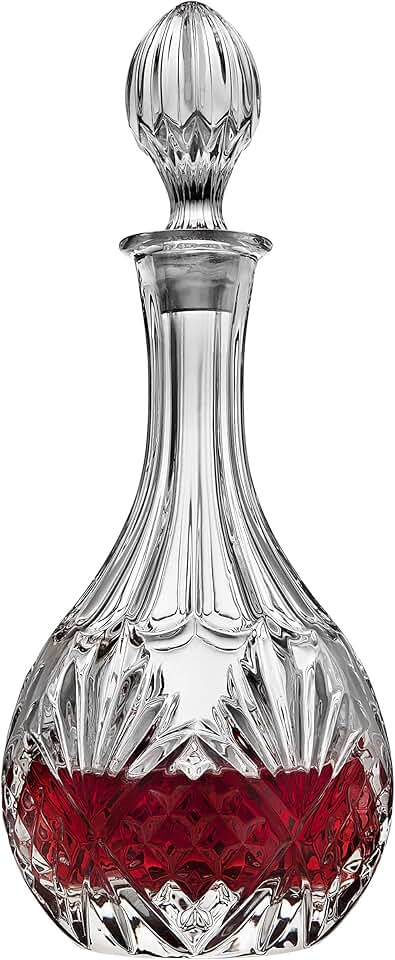
Classic crystal design · Generous capacity for decanting · Adds a touch of elegance to any table setting
The Godinger Dublin Wine Decanter is a timeless choice for those who appreciate traditional crystalware and the classic ritual of decanting.

100% lead-free crystal glass construction · Built-in aerator pourer for immediate aeration · Ergonomic hand-held design
This decanter offers a blend of modern aeration technology and classic crystal craftsmanship, providing an immediate improvement in wine's taste and aroma.
As an Amazon Associate I earn from qualifying purchases. Prices may vary.
Beyond the Basics: Advanced Techniques
Once you’ve mastered the basics of aeration and decanting, you can explore more advanced techniques to further refine your wine experience. The Vinturi Wine Aerator, with its adjustable airflow, allows you to customize the level of aeration based on the wine’s age and structure.
Double decanting – pouring the wine from one decanter into a second – is a technique used to remove even the finest sediment and further aerate the wine. This is particularly useful for very old or delicate wines. Some wine enthusiasts also experiment with pre-aeration, briefly exposing the wine to oxygen in a separate container before decanting.
Different wine varietals respond differently to aeration and decanting. For example, Nebbiolo, a notoriously tannic grape, often benefits from extended decanting, while Pinot Noir may only require a few minutes of aeration. Understanding the characteristics of each varietal is key to maximizing its potential. There’s a growing interest in using specialized aeration devices tailored to specific wine types, but the evidence supporting their effectiveness is still emerging.
Cleaning & Care: Keeping Your Tools Ready
Proper cleaning and care are essential to keep your wine aerators and decanters in top condition. Residue from previous wines can affect the taste of future pours, so regular cleaning is a must. Most wine aerators can be disassembled and cleaned with warm, soapy water. Some are even dishwasher safe, but always check the manufacturer’s instructions.
Decanters require a bit more attention. Rinse them thoroughly with warm water immediately after use to prevent staining and residue buildup. For stubborn stains, you can use a decanter cleaning bead and water. Crystal decanters should be handled with care and washed by hand to avoid damage. Avoid using abrasive cleaners or scrub brushes, as these can scratch the glass.


No comments yet. Be the first to share your thoughts!