

Why use a wine aerator
A wine aerator is a simple tool that sits between the bottle and your glass, forcing the wine to mix with air as you pour. This process, called aeration, exposes the liquid to oxygen instantly. Unlike traditional decanting, which requires planning ahead and waiting 30 minutes or more, an aerator delivers results in seconds.
For red wines, this oxygen exposure is particularly valuable. Reds often contain high levels of tannins, which are the compounds that create that dry, puckering sensation in your mouth. When tannins are young or aggressive, they can mask the wine's fruit flavors. Aeration helps these tannins soften and integrate, making the wine feel smoother and more approachable. It also helps mellow acidity, balancing the overall profile.
White wines benefit from aeration too, though for different reasons. While whites have fewer tannins, they can sometimes smell tight or closed when first poured. The rush of air helps release volatile aromatic compounds, "opening up" the bouquet. This makes floral, citrus, or tropical notes more pronounced and enjoyable immediately after pouring.
By speeding up the breathing process, a wine aerator gives you the complexity of a well-decanted wine without the wait. It turns a routine pour into a more refined experience, ensuring every glass tastes its best from the first sip to the last.
Choose the right aerator type
Selecting the correct wine aerator depends on the wine you are serving and how much time you have to prepare it. Pour spouts and in-bottle aerators work instantly, requiring no electricity or charging. They are ideal for spontaneous gatherings or casual dinners. Electric dispensers offer a different experience, combining aeration with automated pouring, which suits those who want a polished presentation or serve wine frequently.
The following table compares the three main types of wine aerators. Use it to match the tool to your specific needs, whether you are opening a bold Cabernet or a crisp white.
| Aerator Type | Best Wine Type | Speed | Price Range |
|---|---|---|---|
| Pour Spout | Reds (bold tannins) | Instant | $15 - $30 |
| In-Bottle | Reds and Whites | Instant | $10 - $20 |
| Electric Dispenser | Reds (entertaining) | Automated | $50 - $100 |
Pour spouts are the most common choice for red wines. They fit directly onto the bottle neck and force the wine through a vented chamber as you pour. This process softens tannins and releases aromas immediately. They are inexpensive and easy to clean, making them a practical everyday tool. Rabbit Wine offers simple, effective models in this category that work well for most standard bottles.
In-bottle aerators sit inside the neck of the bottle. They are less visible at the table and work for both red and white wines. Because they do not require a stand, they are easy to store. However, they can be trickier to clean than pour spouts. Vinturi specializes in high-flow pour spouts that are particularly effective for heavy reds, though their in-bottle options are also well-regarded.
Electric wine aerators dispense wine automatically while aerating it. They are best for entertaining because they eliminate the need to hold the bottle. They fit most standard US and EU wine bottles. These devices are more expensive and require charging, but they offer a consistent pour and aeration level. They are ideal if you serve wine regularly and want a hands-free experience.
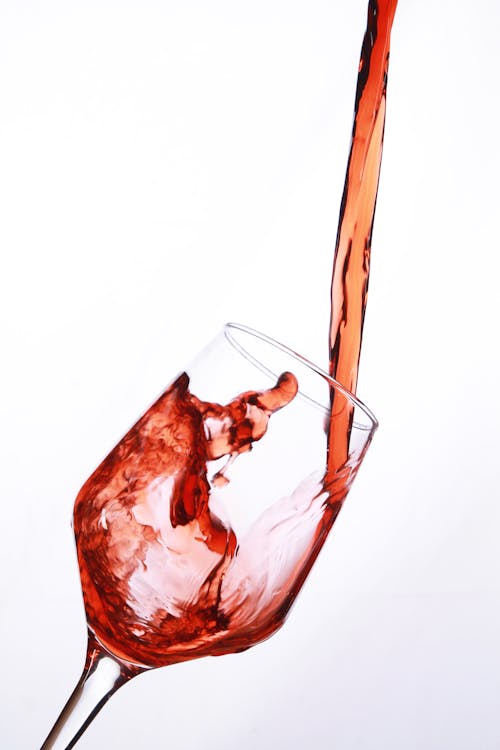
Pour red wine through the aerator
Attaching the device is only half the battle; the way you pour determines whether the wine breathes or just splashes. To get the silky, smooth results that mimic an hour of decanting, your technique needs to be steady and controlled.
Hold the bottle at a 45-degree angle. This initial tilt ensures the wine hits the aerator’s internal vents immediately, preventing air from rushing in before the liquid does, which can cause foaming or uneven aeration.
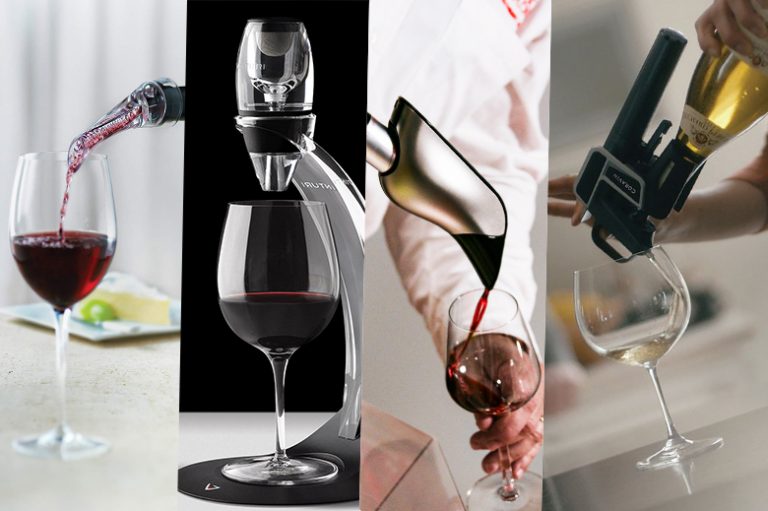
Maintain a consistent, moderate flow rate. Avoid rushing the pour or stopping and starting. A steady stream allows the wine to mix thoroughly with oxygen as it passes through the device, softening tannins and releasing aromatic compounds effectively.
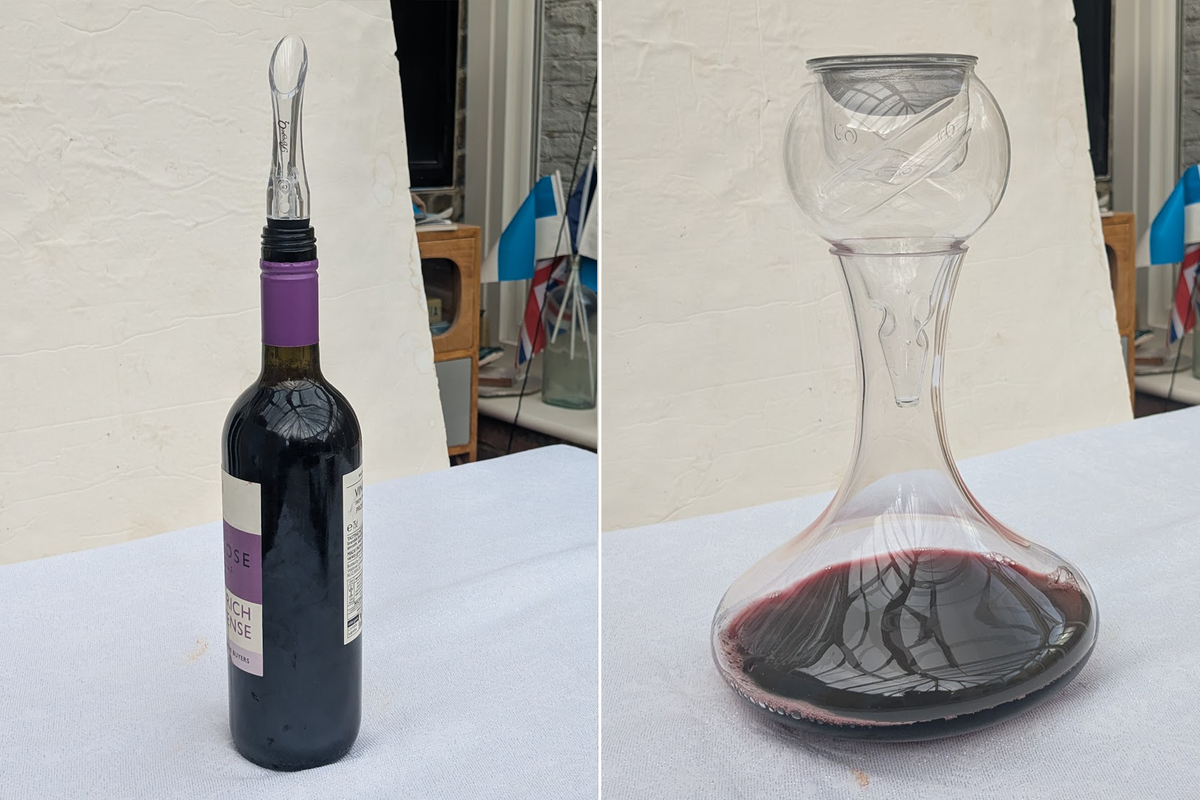
Pour directly into the center of the glass. The aerated wine will already be exposed to air, but the additional surface area in the glass helps the flavors open up further, making blackberry, cherry, and tobacco notes more pronounced.
The goal is to avoid splashing, which can introduce too much oxygen too quickly and flatten delicate flavors. If you notice the wine foaming excessively at the top of the glass, slow your pour down. For red wines with heavy tannins, this method delivers a smoother drinking experience without the wait of traditional decanting.
Aerate dry white wines carefully
While red wines rely on aeration to soften tannins, dry white wines benefit from oxygen exposure to unlock their floral and fruity potential. However, whites are more delicate. Aggressive aeration can strip away the crisp acidity that defines varieties like Sauvignon Blanc or Pinot Grigio. The goal is to open the wine without flattening its structure.
Use a controlled pour to introduce just enough air. Unlike the vigorous splash of a red, a steady stream minimizes turbulence while still allowing the wine to breathe as it passes through the aerator.
Keep your white wine well-chilled before pouring. Cold temperatures naturally suppress aromas. Aeration helps release those scents, but if the wine is too warm, the oxidation will make it taste flat. Aim for 45-50°F (7-10°C) for most dry whites.
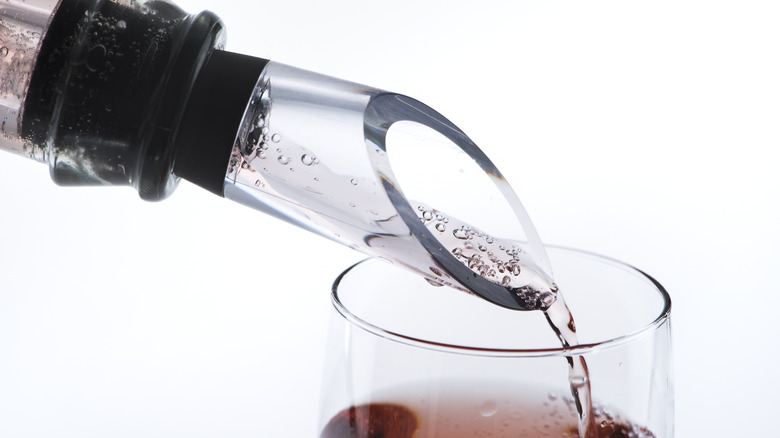
Tilt the bottle and pour a thin, continuous stream into the aerator. Avoid splashing or agitating the wine in the bottle. A gentle pour allows the aerator’s internal vents to mix air smoothly without creating excess foam or heat, which can dull delicate flavors.
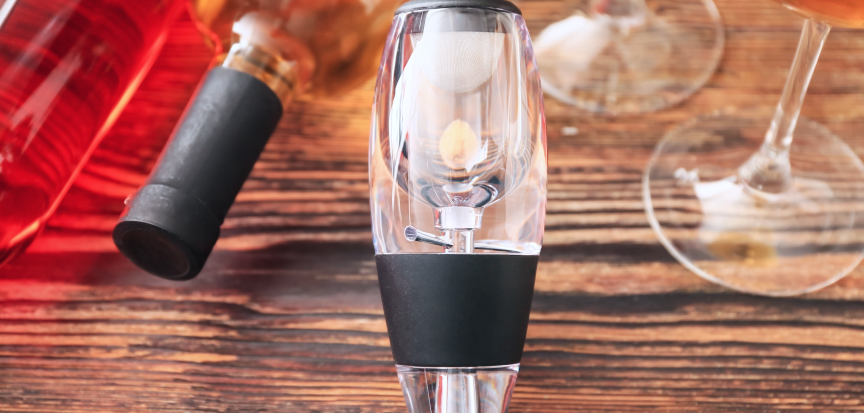
Unlike reds that can sit in a decanter, aerated whites should be drunk right away. Once oxygen hits the wine, the clock starts ticking on its freshness. Pour only what you plan to drink within the next 15-20 minutes to preserve that crisp, vibrant finish.
This method works best for aromatic whites like Riesling, Chenin Blanc, and young Sauvignon Blanc. For fuller-bodied whites like oaked Chardonnay, you can be slightly more generous with the pour, but always taste as you go. The aim is enhancement, not transformation.
Avoid common pouring mistakes
Even with the best wine aerator, a clumsy pour can ruin the experience. Splashing wine on the table or letting it drip down the bottle neck isn’t just messy; it introduces uncontrolled oxygenation that can flatten delicate flavors before the glass ever reaches your lips. Mastering the physical act of pouring is just as important as choosing the right tool.
Hold the bottle at an angle
Tilt the bottle at a 45-degree angle against the inside rim of the aerator or glass. This technique, often called "resting the pour," allows the wine to flow smoothly along the side rather than splashing into the center. It prevents the "glug-glug" effect that traps air bubbles and causes erratic flow. As the glass fills, gradually straighten the bottle to keep the stream steady and controlled.
Hold the bottle at a 45-degree angle to prevent dripping and ensure smooth flow through the aerator.
Pour slowly and steadily
Speed is the enemy of aeration. Pouring too fast creates turbulence that can overwhelm the aerator’s design, leading to splashing and oxidation that outpaces the intended softening of tannins. Aim for a consistent, moderate stream. If you notice the wine foaming or spraying, slow down. A steady pour gives the wine time to mix with air evenly, enhancing aroma without sacrificing structure.
Match the aerator to the wine
Not all wines benefit from aggressive aeration. Delicate white wines, light reds like Pinot Noir, or older vintages with sediment can be damaged by high-volume aerators designed for bold Cabernets. Using a heavy-duty aerator on a fragile wine can strip away subtle aromas and make the wine taste thin or watery. If you’re unsure, pour directly into the glass or use a decanter for sediment control, reserving the aerator for robust, young reds that need tannin softening.
Clean and store your aerator
Treat your wine aerator like a delicate instrument rather than a disposable gadget. Proper maintenance prevents sticky residue buildup and ensures consistent aeration for every pour. The most critical rule is simple: never let wine dry on the device.
Pour warm water through the aerator immediately after you finish your glass. This prevents tannins and pigments from bonding to the plastic or glass surfaces. Avoid harsh detergents that might leave a soapy taste; plain water is often sufficient for daily cleaning.
Inspect the internal channels and the pouring spout for any lingering film or sediment. If you notice cloudiness or stuck particles, soak the unit in a mixture of white vinegar and water for ten minutes. This natural solution breaks down mineral deposits and organic residues without damaging the materials.
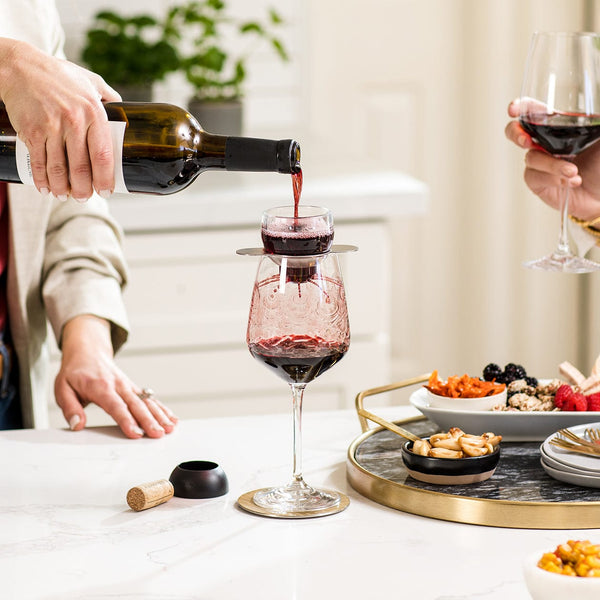
Shake out excess water and let the aerator air-dry completely on a clean towel. Moisture trapped inside can lead to mold growth or unpleasant odors over time. Ensure the internal chambers are fully dry before putting it away to maintain hygiene.

Keep your wine aerator in a dry cabinet or on a shelf where it won’t be knocked over. Storing it upright prevents dust from entering the internal pathways and keeps the shape of the device intact. Avoid storing it near strong-smelling items, as porous plastics can absorb odors.
Checklist
- Rinse immediately after use
- Check for residue and stains
- Dry thoroughly before storage
- Store upright in a safe place
Frequently asked questions about wine aerators
What does an aerator pourer do for wine?
An aerating pourer fits onto the neck of a wine bottle to mix air with the liquid as you pour. This process softens harsh tannins and reduces that dry, bitter feeling on your palate. It also mellows acidity, creating a smoother, more enjoyable drinking experience without the need for a decanter.
What does an aerator do to your wine?
As you pour, the aerator expands the wine's surface area, allowing oxygen to interact with the liquid. This aeration helps develop intense aromas and flavors. For example, if your wine has notes of blackberry, cherry, or tobacco, the aerator makes these characteristics more pronounced and accessible.
Do wine aerators work for white wine?
Yes, white wines can benefit from aeration, particularly fuller-bodied varieties like Chardonnay. While delicate whites like Pinot Grigio usually do not need it, an aerator can help open up complex whites, releasing fruit-forward aromas and balancing acidity for a richer taste profile.
No comments yet. Be the first to share your thoughts!