

Why use a wine aerator
A wine aerator accelerates oxidation, softening tannins and releasing aromas instantly. This device mixes wine with air as you pour, eliminating the wait time required for traditional decanting. The result is a smoother, more approachable glass without the delay.
This mechanism benefits different wine styles in specific ways. For sweet reds, aeration helps balance sugar by opening up fruit flavors that can otherwise taste muted. In dry whites, extra oxygen brightens the aroma profile, making crisp notes like citrus or green apple more distinct. You get these improvements immediately, rather than waiting 30 minutes for the wine to breathe in a bowl.
Think of the aerator as a shortcut for your palate. It performs the chemical interactions that usually happen slowly over time, delivering complexity and smoothness right away.
Pick the right wine aerator type
Choosing a wine aerator depends on your drinking habits and desired effort level. The three main categories—pour-over, stopper, and electric—offer distinct trade-offs between speed, convenience, and cost.
- Pour-over: The most traditional method. You hold the device over a glass or decanter while pouring. It offers precise control but requires a steady hand.
- Stopper: Sits inside the bottle neck. Wine aerates as you pour directly from the source. It is convenient for drinking straight from the bottle but may not aerate as thoroughly.
- Electric: Uses a battery-powered pump to draw wine through an internal chamber. It automates the process but is the most expensive and difficult to clean.
To help you compare these options quickly, here is a breakdown of their key features, including ease of use, cleaning difficulty, and typical price ranges.
| Feature | Pour-Over | Stopper | Electric |
|---|---|---|---|
| Ease of Use | Moderate (requires steady hand) | Easy (insert and pour) | Easy (push button) |
| Cleaning Difficulty | Moderate (disassemble parts) | Easy (rinse under tap) | High (complex internal parts) |
| Price Range | $15 - $50 | $20 - $40 | $50 - $150 |
| Best For | Single glasses, controlled aeration | Drinking directly from the bottle | Large gatherings, minimal effort |
Wine aerators allow your wine to breathe, making it taste and smell better.— Wine Enthusiast
If you primarily drink a single glass at a time and want precise control, a pour-over aerator is likely your best bet. These devices are simple, durable, and easy to clean. However, they require a steady hand to avoid spills, and the aeration level depends on your pouring speed. For those who enjoy drinking straight from the bottle, a stopper aerator offers a convenient solution. You insert it into the bottle neck, and as you pour, the wine passes through the aerating chamber. This method is fast and requires minimal cleanup, though it may not aerate the wine as thoroughly as a pour-over.
Electric aerators are ideal for entertaining or for those who want the most effortless experience possible. They typically come with a base unit and a carafe or glass, automating the entire process. While they are the most expensive option and can be difficult to clean due to their complex internal mechanisms, they provide consistent aeration with just the push of a button. Consider your budget and how often you use the device before making a decision.
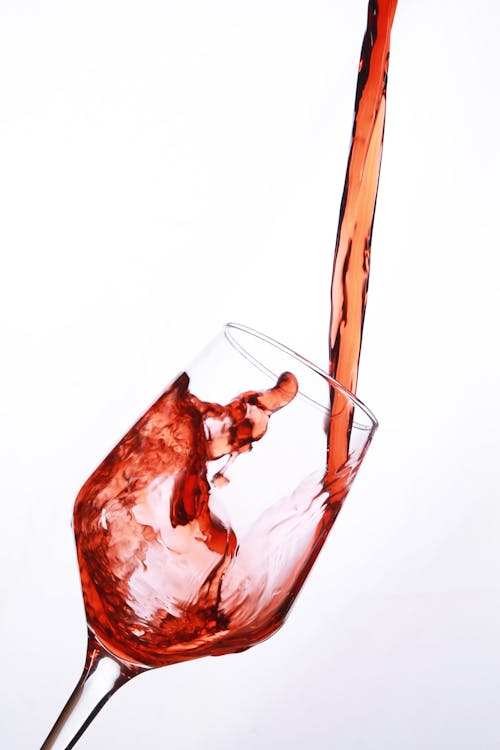
Pour wine through the aerator
Using a wine aerator is a straightforward process, but the speed of your pour determines the quality of the result. Unlike decanting, which relies on time, an aerator forces air into the wine instantly. To get the best flavor, you need to control the flow so the wine interacts fully with the oxygen channels inside the device.
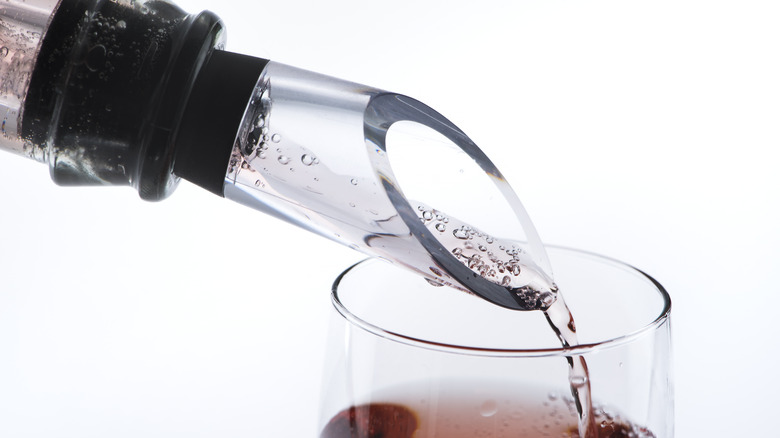
Start by opening your bottle of wine. Use a standard corkscrew or lever opener to remove the cork cleanly. Wipe the rim of the bottle with a clean cloth to remove any dust or foil fragments that might fall into the wine during the pouring process.
Hold the wine aerator firmly over your wine glass or decanter. The wide opening of the aerator should face upward. Position it so that the spout is centered over the glass. Ensure your grip is secure but relaxed; you will need to tilt the bottle while keeping the aerator steady.
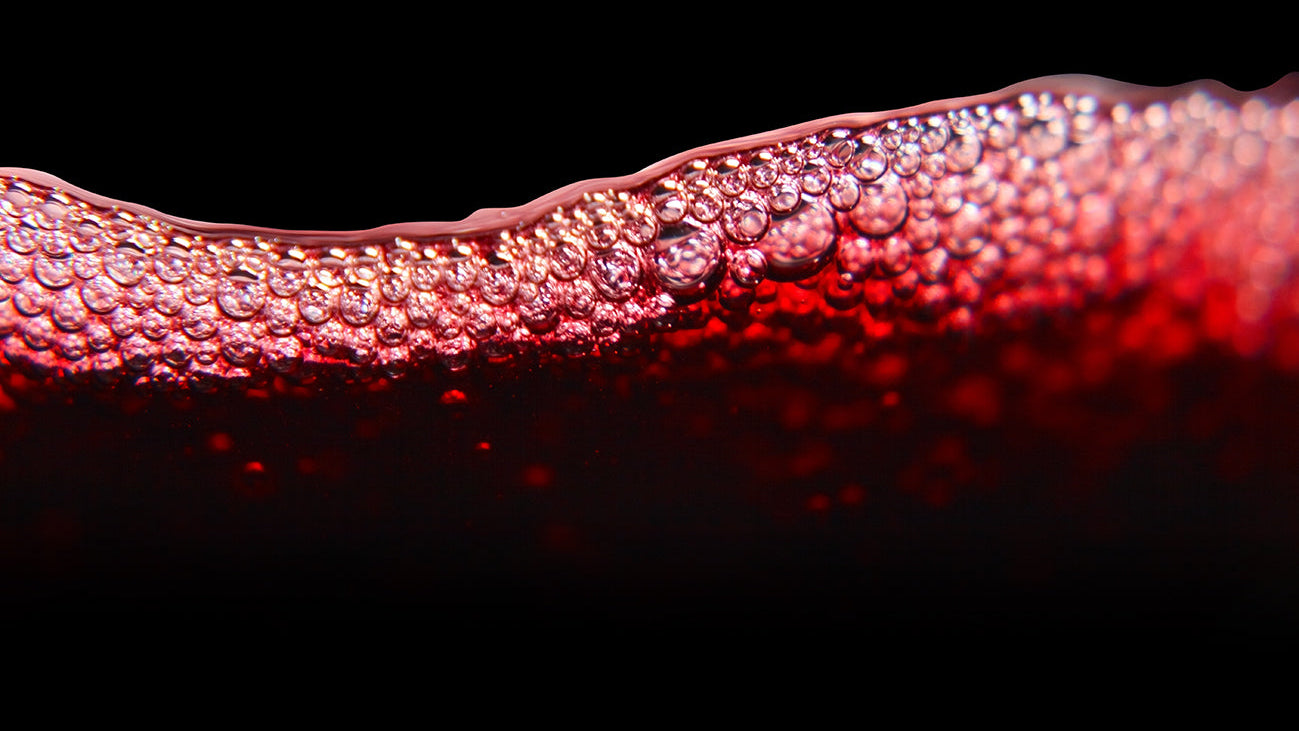
Tilt the wine bottle and pour the wine into the aerator’s opening. Pour slowly and steadily. If you pour too quickly, the wine may splash out or bypass the internal channels, reducing the aeration effect. Aim for a continuous, moderate stream that fills the aerator without overflowing.

Once the wine has passed through the aerator and into the glass, give the glass a gentle swirl. This helps distribute the oxygenated wine and releases the aromas. The wine is now ready to drink. You do not need to wait for it to breathe, as the aerator has done the work for you.
The key to successful aeration is consistency. If the wine splashes or foams excessively, you are pouring too fast. If the wine tastes flat, you may be pouring too slowly, allowing the wine to evaporate before it reaches the glass. Practice with a less expensive bottle to find the right rhythm for your specific aerator model.
Adjust for reds and whites
Not all wines benefit from the same amount of air. While a wine aerator is designed to speed up oxidation, the type of wine you are pouring dictates how much time it needs on the glass. Treating a delicate white wine the same way as a heavy Cabernet can ruin the experience, so adjust your pour based on the wine's structure.
Dry reds and heavy tannins
Full-bodied reds like Cabernet Sauvignon, Syrah, or Malbec have high tannin levels that can taste bitter or astringent when first opened. These wines need the most aggressive aeration to soften those harsh edges and release complex aromas. Pouring these through the device is essential; it introduces oxygen rapidly, mimicking hours of decanting in seconds. If you have a particularly young or robust bottle, consider letting it sit for a minute after aerating to let the flavors settle.
Sweet reds and lighter reds
Sweet reds, such as Lambrusco or Port, often have lower tannin structures and higher sugar content, which can make them feel heavy if over-aerated. They may not need the full blast of oxygen that dry reds do. A lighter touch is better here. Pouring them through the device can still help open up fruit notes, but be cautious not to strip away the delicate sweetness that defines these wines. If the wine tastes flat or overly alcoholic after aerating, you’ve likely exposed it to too much air too quickly.
White and rosé wines
Most white wines and rosés are best enjoyed young and fresh, meaning they have less need for oxidation. However, fuller-bodied whites like oaked Chardonnay or Viognier can benefit from a brief exposure to air. Pouring these through the device can help lift the aroma and smooth out any sulfur notes. For crisp whites like Sauvignon Blanc or Pinot Grigio, aeration is usually unnecessary and may even dull their vibrant acidity. Save the aerator for the heavier whites and let the lighter ones breathe in the bottle if needed.
Clean and store your wine aerator
Leaving wine residue inside your tool invites bacteria and turns future pours into vinegar. Treat your wine aerator like a delicate glass; a quick rinse and thorough dry keeps the flavor profile pure.
Rinse immediately after use
Wine dries fast and leaves a sticky film that traps odors. Rinse the aerator with warm water right after you finish pouring. If you use a pourer-style aerator, run water through the spout to clear the internal channels. For handheld models, rinse the chamber and the intake valve. Avoid harsh dish soap unless the manufacturer recommends it, as strong detergents can leave a chemical aftertaste that lingers.
Dry thoroughly to prevent mold
Water spots are annoying, but trapped moisture is the real enemy. Shake out excess water and pat the exterior dry with a clean towel. Let the device air-dry completely before putting it away. A damp aerator stored in a closed cabinet becomes a breeding ground for mildew, which will taint your next bottle. If your aerator has removable parts, separate them to ensure every crevice dries.
Store in a clean, dry place
Once dry, return your wine aerator to its stand or a dedicated drawer. Keep it away from strong-smelling spices or cleaning supplies. Wine is a sponge for aromas; storing it near garlic or bleach will transfer those scents to the plastic or glass. A clean, neutral environment ensures your tool is ready for the next pour without any unwanted surprises.
Common questions about using a wine aerator
You might wonder if a wine aerator is worth the extra tool in your kitchen. The short answer is yes, especially if you drink young, tannic reds like Cabernet Sauvignon or Syrah. These wines benefit most from rapid oxidation, which softens harsh flavors and opens up aromas in seconds rather than the 30 minutes required for traditional decanting. However, delicate wines like Pinot Noir or aged reds rarely need this intervention and may lose their subtle character if over-aerated.
Cleaning is another frequent concern. Because wine residue can build up inside the internal chambers, you should rinse your aerator immediately after use. Most models are dishwasher safe, but hand washing with warm soapy water ensures no soap taste lingers. For stubborn stains, a mixture of water and white vinegar works well to keep the glass or plastic clear and odor-free.
If you are short on time, a wine aerator is an excellent shortcut to better-tasting wine. It bridges the gap between opening the bottle and enjoying the full bouquet without the wait. Just remember to choose the right wine for the tool and keep it clean for the best results.
No comments yet. Be the first to share your thoughts!