

How to Use the ETAC Tasty Glass for Wine
The ETAC Tasty Glass is a specialized adaptive drinking vessel designed for stability and ease of use, particularly for individuals with limited hand strength or coordination. Unlike standard wine glasses, it features a weighted base and a wide, stable rim to prevent tipping. This guide explains how to integrate this tool into your wine-drinking routine, focusing on safe handling and proper cleaning.
What is the ETAC Tasty Glass?
The ETAC Tasty Glass (often referred to as the Tasty glass) is a medical-grade drinking aid manufactured by Etac. Unlike traditional glassware, it is made from lightweight, shatter-resistant material. Its design mimics the look and feel of a wine glass to promote dignity and normalcy during meals, but its functional geometry is strictly utilitarian. The wide base lowers the center of gravity, while the lack of a narrow stem allows for a secure grip without pinching. It is widely used in care settings but is effective for anyone seeking a spill-free drinking experience.
Prerequisites Checklist
Ensure you have the following items before beginning:
- ETAC Tasty Glass: One unit, clean and dry.
- Beverage: The sweet red wine or dry white wine you intend to drink.
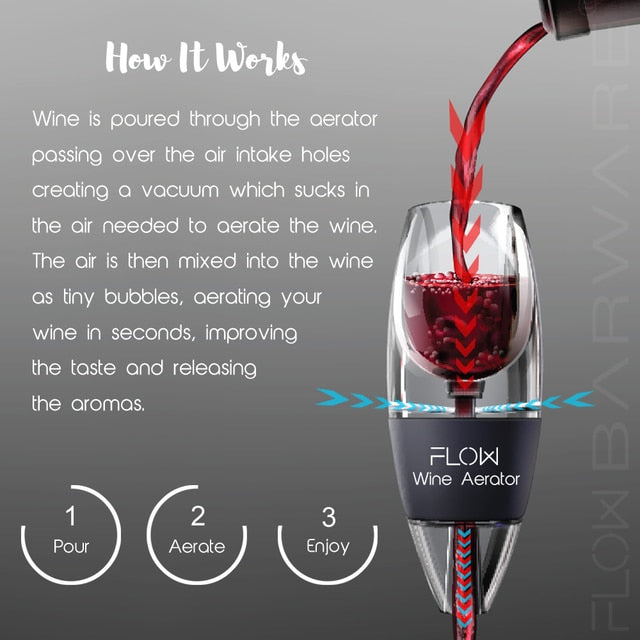
- Wine Aerator (Optional): If you wish to aerate the wine before pouring, use a manual or electric wine aerator.
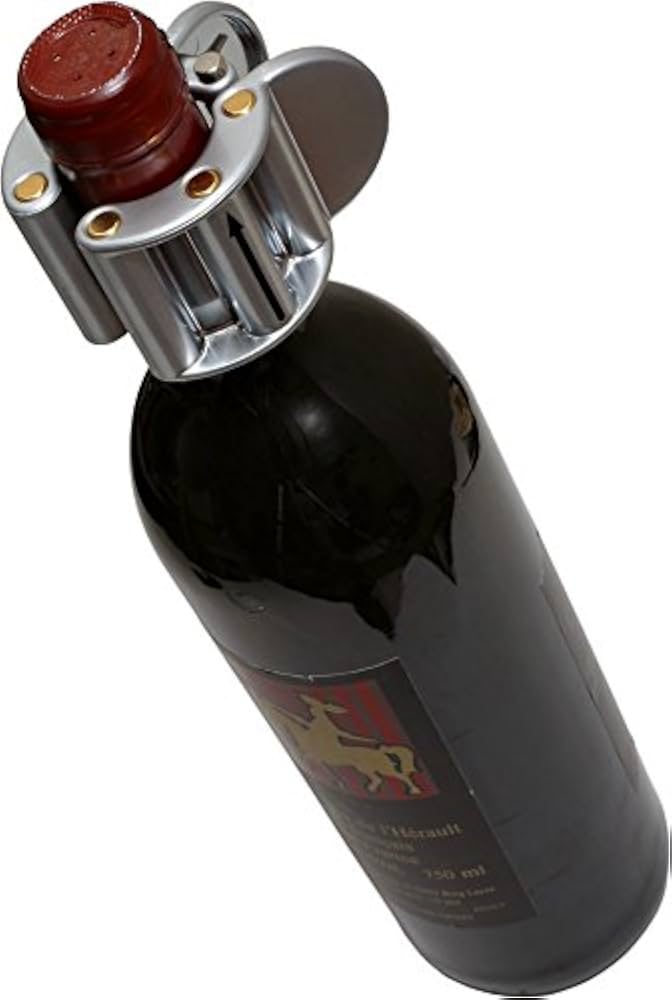
- Corkscrew: Required to open the bottle first. (Note: The Tasty Glass does not replace the need to open the bottle; it only aids in drinking.)
- Tray or Coaster: To catch any minor drips during the pouring phase.
Common Mistakes to Avoid
Do not attempt to pour directly from the bottle into the Tasty Glass without a funnel or aerator guide if your motor control is significantly impaired. The wide mouth of the Tasty glass is designed for sipping, not for high-volume pouring. Use a steady hand or a helper to pour the wine into the aerator first, then dispense it slowly into the glass. Avoid using hot water to clean the glass immediately before use, as thermal shock can weaken the material over time; warm soapy water is sufficient.
Work through the steps
The Wine Aerator Revolution works best as a clear sequence: define the constraint, compare the realistic options, test the tradeoff, and choose the path with the fewest hidden costs. That order keeps the advice usable instead of decorative. After each step, pause long enough to check whether the recommendation still fits the reader's actual situation. If it depends on perfect timing, unusual access, or a best-case budget, include a simpler fallback.
Common Mistakes That Ruin Aeration
Even with the right tools, small errors can negate the benefits of aeration. These mistakes are often subtle, but they significantly impact the final taste of your wine. Avoiding them ensures you get the most out of every bottle.
Pouring Too Quickly or Aggressively
Many people pour wine with enthusiasm, aiming to fill the glass quickly. This splashes the liquid, which might seem like it adds oxygen, but it actually causes uneven aeration. The wine hits the bottom of the glass with force, creating turbulence that doesn't allow for controlled oxidation. Instead, aim for a steady, gentle pour. Let the wine flow down the side of the glass or into the aerator without splashing. This method ensures the wine interacts with air gradually, preserving its delicate aromas and structure.
Ignoring the Wine’s Temperature
Temperature plays a critical role in how wine reacts to aeration. Pouring a chilled white wine or a warm red directly into an aerator can lead to disjointed flavors. Cold temperatures mute aromas, while warm temperatures can make alcohol taste harsh. Always check the wine's temperature before you start. If a white wine is too cold, let it sit for a few minutes. If a red is too warm, give it a brief chill. Aeration works best when the wine is at its ideal serving temperature, allowing the flavors to open up smoothly.
Overlooking the Glass Type
The shape of the glass you use for tasting matters more than you might think. Using a narrow, tall glass for a bold red wine can trap aromas, making the aeration process feel ineffective. Conversely, a wide-bowled glass allows the wine to breathe naturally after aeration. Choose a glass that complements the wine type. For sweet reds, a glass with a slightly narrower opening helps concentrate the sweetness. For dry whites, a wider bowl allows the crisp acidity to shine. The right glass enhances the aeration, making the wine taste balanced and complex.
Tasty glass: what to check next
Before you buy, it helps to clear up what this product actually is. The term "Tasty Glass" often gets confused because it appears in search results for kitchenware, but in the context of wine aerators and accessibility, it refers to a specific medical device.
No comments yet. Be the first to share your thoughts!