

Open the bottle safely
Aeration cannot begin until the cork is out. If you are looking for how to use a wine aerator without a corkscrew, you will find that most standard pour-through models require a traditional opening. The aerator sits on the bottle neck, so the cork must be removed cleanly to create a tight seal. A loose or broken cork will let wine spill around the device instead of through it.
Use a proper corkscrew to extract the cork in one smooth motion. Avoid twisting the bottle excessively, which can disturb sediment or cause the wine to splash. Once the cork is free, wipe the bottle neck with a clean cloth to remove any foil shavings or dust. This step prevents debris from falling into your glass or clogging the aerator's internal channels.
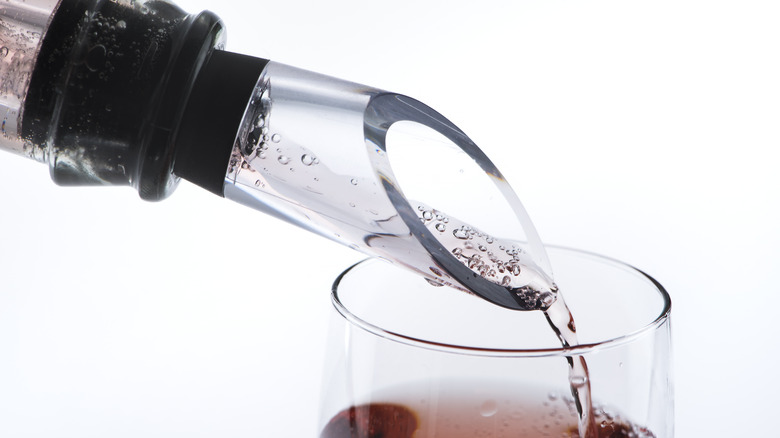
Pour through the wine aerator
The core function of a wine aerator relies on gravity and exposure. You pour wine through the device to introduce oxygen before it reaches your glass. This simple action softens harsh tannins and releases trapped aromas, allowing the wine to breathe in seconds rather than minutes.
Position the aerator
Hold the aerator vertically over a wine glass or decanter. For most in-line or spout-style aerators, align the opening directly above the center of the glass. Ensure the device is stable and secure in your hand to prevent spills during the pour.
Pour steadily
Open the wine bottle and begin pouring at a slow, steady pace. A gentle stream allows the wine to flow through the internal chambers of the aerator without splashing or creating excessive foam. Avoid rushing the pour; a consistent flow ensures maximum surface area exposure to air.
Stop before the sediment
Continue pouring until the glass is about two-thirds full. Stop the pour before the wine reaches the sediment at the bottom of the bottle. This prevents gritty particles from entering the aerator and your glass, keeping the tasting experience clean. If you are using a decanter, pour the entire bottle, leaving the last ounce behind.
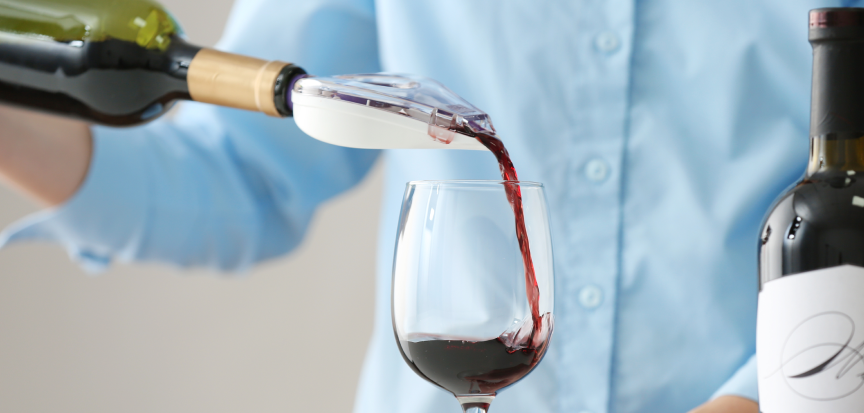
Hold the aerator vertically over a wine glass or decanter. Align the opening directly above the center of the glass to ensure the wine flows straight through the device.
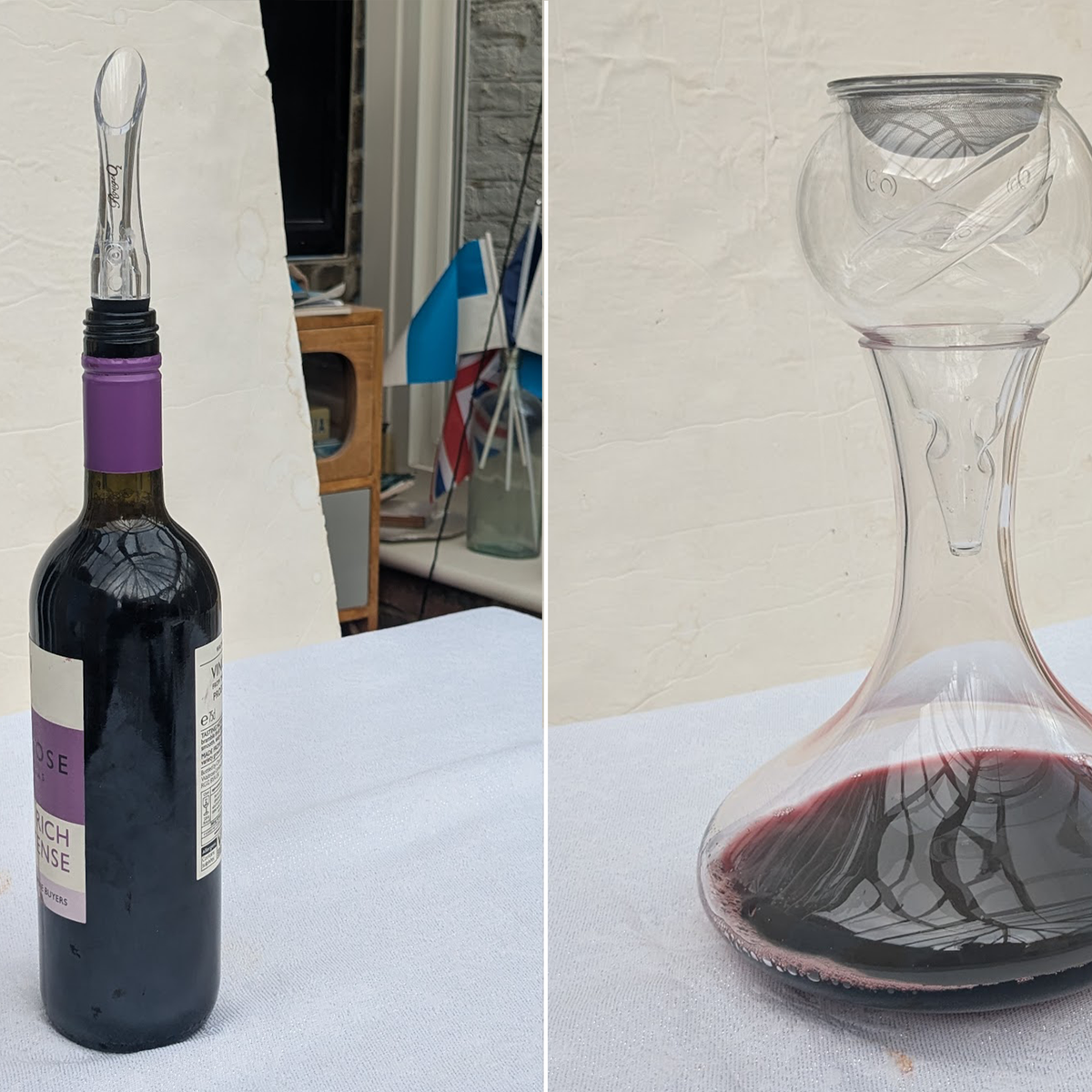
Pour the wine at a slow, steady pace. A gentle stream allows the wine to flow through the internal chambers without splashing, ensuring maximum exposure to oxygen.
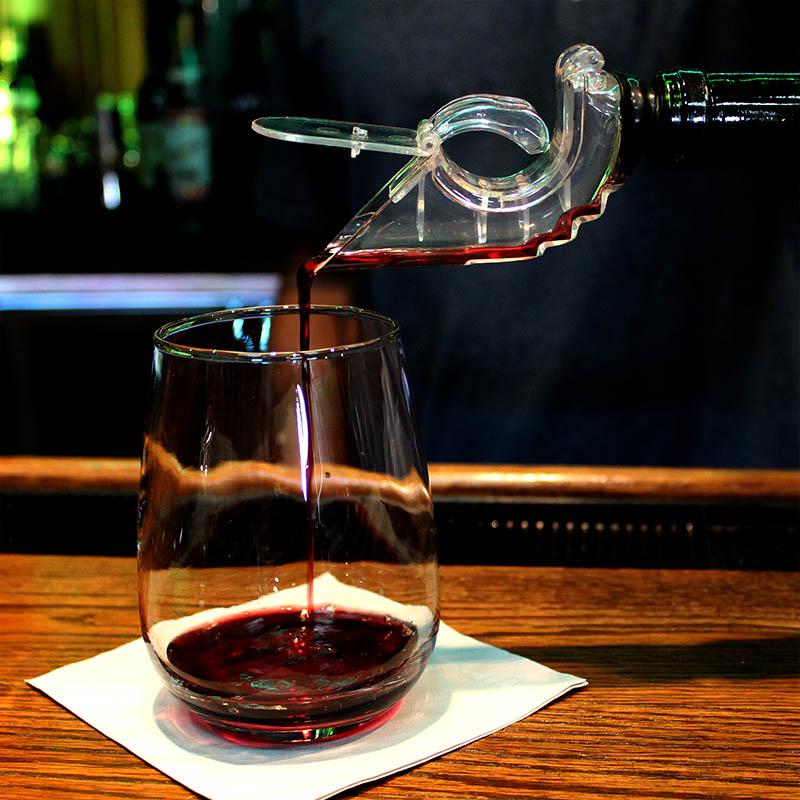
Stop the pour before the wine reaches the bottom of the bottle. Leaving the last ounce behind prevents sediment from entering the aerator and your glass.
Adjust for red or white wine
A wine aerator works best when you match the pour speed and intensity to the wine's structure. Red wines generally benefit from aggressive oxidation to soften tannins, while white wines often require gentler handling to preserve volatile aromatics. Using the same technique for both can lead to flat whites or muddy reds.
Sweet reds: slow and steady
Sweet red wines, such as Port or late-harvest blends, have higher viscosity and sugar content. These wines resist rapid aeration. Pour them slowly through the aerator to allow gradual oxidation without overwhelming the palate. This approach prevents the wine from tasting overly alcoholic or disjointed. A gentle pour helps integrate the sweetness with the fruit notes, creating a smoother finish.
Dry whites: quick and light
Dry white wines, like Sauvignon Blanc or Pinot Grigio, are delicate and prone to losing their crisp acidity. Aerate these wines quickly, letting the liquid flow through the device in a steady stream. Avoid letting the wine sit in the aerator or decanter for long periods. The goal is to open up the aroma without stripping away the freshness that makes these wines appealing.
Comparison: Red vs. White Aeration
| Wine Type | Pour Speed | Aeration Intensity | Primary Goal |
|---|---|---|---|
| Sweet Reds | Slow | Moderate | Soften tannins, integrate sweetness |
| Dry Whites | Quick | Light | Preserve acidity, enhance aroma |
| Full-Bodied Reds | Medium-Fast | High | Soften tannins, unlock complexity |
| Light Reds | Medium | Moderate | Enhance fruit, reduce astringency |
Understanding these differences ensures your wine aerator enhances the wine's natural character rather than masking it. Adjusting your technique based on the wine type is a simple way to elevate your tasting experience.
Avoid common pouring mistakes
Even the best wine aerator can underperform if you treat it like a simple funnel. Spills, clogs, and over-aeration are the most frequent hurdles, but they are easy to fix with a few adjustments to your technique.
Prevent spills with a steady hand
Aerators channel wine through a narrow internal chamber, which increases flow speed. If you pour too quickly, the wine will splash out of the glass or overflow the aerator’s base.
Hold the bottle at a slight angle and pour in a slow, continuous stream. Let the aerator do the work by maintaining a steady pace rather than forcing the liquid through. This simple control prevents messes and ensures the wine mixes properly with the air.
Stop clogs by cleaning immediately
Residue from sediment or dried wine can harden inside the aerator’s vents, leading to clogs that ruin the aeration process. A blocked aerator forces wine to bypass the oxygen channels, resulting in a flat taste.
Rinse the device with warm water immediately after use. For stubborn buildup, soak it in a mild soap solution for ten minutes before rinsing. Keeping the channels clear ensures every pour delivers the intended flavor profile.
Skip over-aeration for delicate wines
While a wine aerator mimics the effects of decanting, it does so rapidly. This intense exposure to oxygen is perfect for bold reds like Cabernet Sauvignon, but it can strip the delicate aromatics from lighter wines such as Pinot Noir or Riesling.
If you are pouring a lighter vintage, pour more slowly or skip the aerator entirely. Over-exposing these wines to air too quickly can make them taste thin or vinegar-like. Trust your palate; if the wine tastes sharp, dilute the aeration effect.
Check if your wine needs a wine aerator
A wine aerator is a tool, not a cure-all. It speeds up oxidation by forcing wine through air, which softens harsh tannins and releases trapped aromas. However, it cannot fix a flawed bottle or replace the gentle, slow evolution of a decanter. Before you pour, use this checklist to determine if your specific bottle will benefit.
The Quick Aeration Checklist
- High-tannin reds: Cabernet Sauvignon, Syrah, Nebbiolo, and young Bordeaux blends often benefit from immediate aeration to mellow out astringency.
- Young, bold whites: Full-bodied whites like oaked Chardonnay or Viognier can open up nicely with aeration, though lighter whites usually do not.
- Older wines: If the bottle is over 10-15 years old, skip the aerator. Delicate aromas dissipate quickly, and the wine may taste flat or oxidized within minutes.
- Flawed wine: If the cork smells like wet cardboard or the wine has a vinegar note, aeration will not fix it. Trust your nose.
If your wine checks the first two boxes, an aerator is worth the effort. For delicate or older bottles, pour slowly into a decanter or simply let it breathe in the glass.
No comments yet. Be the first to share your thoughts!